
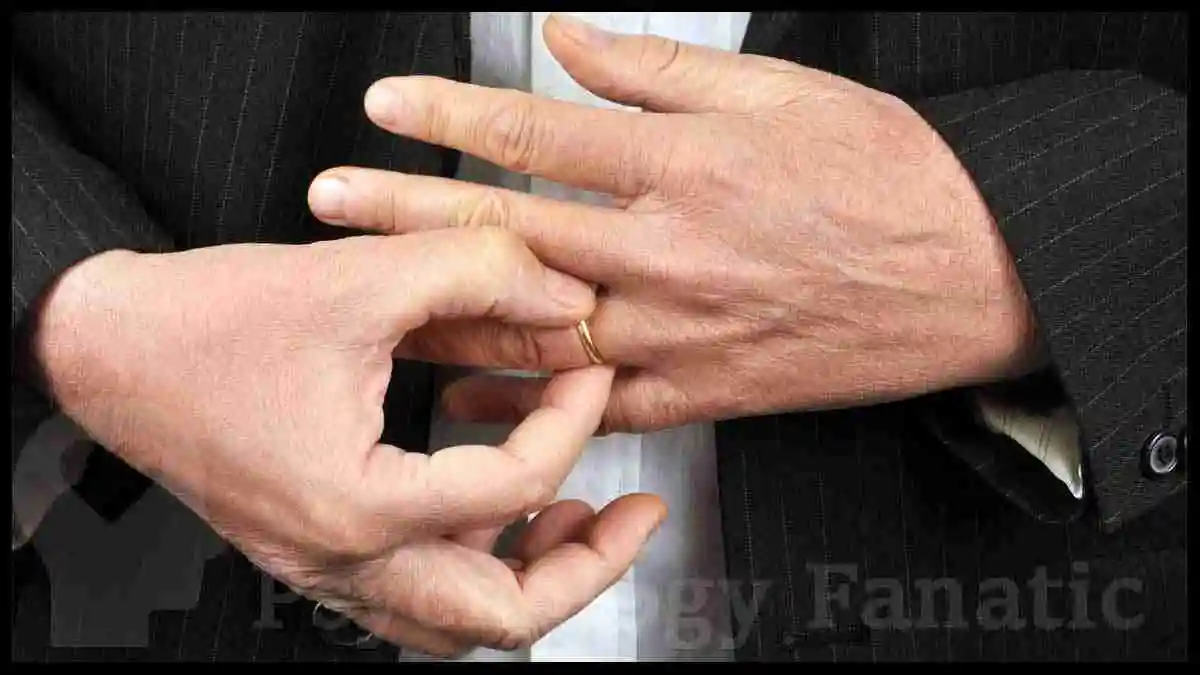
Betrayal of Trust: Understanding the Impact on Relationships
The intricate weaving of emotions, connection and vulnerability create the complexities of relationship satisfaction. The unforeseen crossroads of connection baffle wisdom and send us scurrying for guidance and support. Relationships can work through this, smooth over errors, and solve disagreements. Betrayal of trust, however, stings, leaving lasting hurt and when betrayals continue, they lead to the demise of intimacy. A betrayed partner begins to build a wall, protecting from further painful breeches.
Key Definition:
A betrayal in intimate relationships typically refers to the violation of trust or commitment within the relationship. This can manifest in various forms, such as infidelity, dishonesty, or disloyalty, and often results in a sense of hurt, disappointment, or disillusionment for the betrayed individual.
What is Betrayal?
A betrayal of trust refers to a breach of confidence or reliance that has been placed in someone. It can involve breaking promises, sharing confidential information without permission, or acting dishonestly in a way that undermines the faith or reliance others have placed in you. This can occur in personal relationships, professional settings, or any situation where there is an expectation of trust.
Betrayal can deeply impact the foundation of the relationship, leading to feelings of betrayal, anger, and emotional upheaval. It’s a breach of the implicit or explicit agreements and expectations that define the relationship, and can be a significant challenge to overcome.
Trudy Govier, a professor of philosophy and distinguished Canadian researcher wrote:
“Betrayal is worse than unreliability or deception, worse than many acts of harm. It is a special sort of violation, one that jolts against the background of what seemed to be a relationship of deep trust with particular strong expectations of loyalty and intimacy” (Govier, 1998, p. 144).
Attachment Security
Secure attachments are built around an aura of trust. The vulnerability of openness is not frightening because the relationship provides comforting security. The intimate connection is a secure base, where partners can confidently risk sharing personal information.
Sharing personal secrets of fears, joys and sensitivities enhances intimacy. When our partner welcomes these expressions and supports our autonomy of feeling, trust strengthens. Betrayals to openness shake the foundations of this process.
Mario Mikulincer, a professor of psychology, specializing in relationship attachment, explains:
“Betrayal of trust may raise concerns about the personal vulnerability inherent in intimacy. A betrayal of trust is a direct attack on attachment working models” (Mikulincer, 2001).
Betraying intimate trust requires that trust is given. A couple builds security and lowers normal protections. Many, sometimes for the first time in their adult life, feel they no longer are travelling the dusty roads alone. The intimate secrets of our heart can be shared, respected and honored.
Authors David Schulz and Stanley Rodgers wrote:
“When our partner attacks us at this deep level, we tend to see this as disloyalty and betrayal, for it is very difficult to withstand attacks that are directed against one’s self-image at a very deep level” (Schulz & Rodgers, 1980, pp. 73-74).
Relationship Anxiety and Betrayal
Unfortunately, for many, the normal structures for intimacy, trust and betrayal are broken. Biological susceptibilities, childhood exposures, and traumatic relationships mix a toxic cocktail that disrupts normal attachment processes, interfering with intimacy and healthy relationships.
Insecure lovers have a challenging internal foe to conquer—their own emotions. Carl Hindy, Ph.D., J. Conrad Schwartz, Ph.D., Archie Brodsky wrote in their classic book If This is Love, Why Do I Feel so Insecure that seeing in the partner “the image of a rejecting parent or a duplicitous lover from the past, an anxiously attached person may find rejection or betrayal when it is not really there. That is, the person may project onto the present situation feelings whose true basis lies somewhere in the person’s past” (Hindy et al.,1990).
The relationship damage of betrayal rests on feelings of being betrayed, whether or not behaviors warrant this critical reaction. In a cruel cycle, betrayal of trust heightens relationship anxiety, and relationship anxiety increases perceptions of betrayal.
See Relationship Anxiety for more on this topic
Three Forms of Non-Sexual Betrayal
According to Kyle Benson, author of a relationship blog Intentionally Intimate Relationships and employee in John Gottman’s Love Labs, identifies three primary non-sexual betrayals: emotional cheating, conditional love, and emotional withdrawal.
Emotional Cheating
Benson describes emotional cheating as intimate non-sexual relationships where we share intimate details about our lives and relationship to an extent that would make our partner uncomfortable in the other person’s presence (Benson, 2016).
Sometimes “just friends” is betrayal.
I get it. Sometimes relationships twist and pull our strings beyond our ability to cope. But flinging a partner’s imperfections about, proclaiming our victimhood because we have a sympathetic listening ear must be done with care, honoring information our partner entrusted in us. Under the guise of seeking support, we may be destructive. Careless partner bashing betrays intimacy, deepens divides, and secures stubborn positions rather than constructively seeking answers.
Sharing intimate details of disagreements to bolster support misses the mark. When we repaint disagreements with our one-sided perception, most listeners will be sympathetic, supporting the limited non-compromising position. The guidance from a wise friend is a powerful resource; but when tainted by presentation that villainizes our partner, we aren’t seeking guidance; we’re seeking sympathy, supporting our closed-mindedness, and softening the guilt of disloyalty.
Outside Friends
When seeking external support from emotional friendship outside of our relationship, we must ask, “would my partner be uncomfortable knowing the details of this conversation?”
Benson lists five signs that a friendship may be emotional cheating (A Betrayal of Trust):
- Is the friendship hidden?
- Are questions about the friendship dismissed with “don’t worry” or discouragement?
- Are requests to end the relationship ignored?
- Are agreed upon boundaries disrespected?
- Is the friend the subject of fantasies or comments during relationship trouble? (Benson, 2016).
If divulging relationship secrets doesn’t widen our understanding, resolve issues, or provide moral support to work through difficulties, our careless bantering violates trust, further deteriorating the relationship. The meager rewards of partner bashing come at the cost of betrayal.
An interesting study found that outside communications about relationship struggles were more effective for older couples while often destructive for young couples. Perhaps with maturity the advice sought and given focuses on repair rather than villainizing. Further studies on the differences in content between the different age groups would be enlightening.
Discussions with close friends may shed light on the darker aspects of our personality; but only when we listen openly. A few defensive reactions to constructive advice shut the spigot, limiting the future flow of unfiltered wisdom. A friend, without the emotional investment in the relationships, may wisely see an issue with more clarity.
Conditional Love
Trust is not conditional, changing moment to moment. When loving behaviors are conditional on momentary circumstances, our vows (spoken or unspoken) are worthless. Security doesn’t spring from treating someone with respect only when loving feelings dictate such treatment.
Conditional love is lack of commitment to the relationship, keeping one foot outside the door, willing to leave when pressures mount. Conditional love is appropriate early in relationships as we evaluate the sacrifice of full commitment. Many irregularities and signs of future abuse lie dormant during early romance.
As the relationship progresses, so should commitment. Vulnerabilities should never be exploited with manipulative threats of leaving.
Unconditional love does not imply we stay, no matter what. Significant betrayals of trust, ignoring our boundaries, and continued emotional abuse our signs that intimacy will never be available in a relationship with that particular partner. Professional help and safety plans may be necessary to work through these difficulties.
See Unconditional Love for more on this topic
Entrusting Our Happiness to Another Person
Aaron Beck in his timeless book Love is Never Enough explains:
“Marriage implies entrusting your happiness, if not your life, to another person. As a result, the partners build strict rules in the relationship to provide warranties against being abused or betrayed. Committed relationships are much more likely to revolve around symbols—of love or rejection, security or insecurity—which by their very nature are inflexible” (Beck, 1989, p. 46).
As a relationship develops, acceptable conditions for breaking commitments vanish. We can’t expect the benefits of intimacy without the necessary accompanying commitments of trust. When we promise security, but flip on the slightest sign of difficulty, we betray. Our integrity is scarred and tender hearts injured.
“If you’ve had a marriage that ended because of a betrayal in trust on your spouse’s behalf, the idea of trusting another person with your heart can seem completely ridiculous.”
Emotional Withdrawal
John Gottman, world renowned for his work on relationship stability and divorce prediction, discovered four relationship patterns that disrupts connection. He lists them as “criticism, defensiveness, contempt, and stonewalling—the ‘four horsemen of the apocalypse’ in relationships” (Gottman, 2011). Emotional withdrawal (stonewalling) is the most insidious of the four horseman.
Stonewalling, Gottman defines as “the listener’s withdrawal from interaction. The listener does not give the speaker the usual listener-tracking cues (eye contact, open body, head nods, brief vocalizations), or move the face, or look continuously at the speaking partner” (Gottman, 2011).
Emotional withdrawal is a turning away from the relationship—an emotional divorce. While we may emotionally occasionally withdrawal when emotions flood, repeated emotional distancing without intentional repairs to closeness causes lasting harm.
If during intimate sharing, we stonewall our partners attempts for support, we are betraying trust by violating promises of closeness, ignoring our implicit commitment to support during difficulty. Emotional withdraw displays an emotional numbness, detaching from a partner’s emotional experience and invalidating their emotions
We become complacent, no longer cherishing our partner, loving their presences in our lives. Next, we emotionally disconnect, losing curiosity in the beautiful nuances of their internal experience. And consequently, we betray trust by devaluing the intimacy of the connection.
See Emotional Intimacy for more on this topic
Complexity, Relationships, and Betrayal of Trust
When relationship struggle overwhelms, biased interpretation confuses complex choices. Relationship issues are rarely caused by simple wrongs and rights that clearly point to one partner as good and the other bad; both positive and negative behaviors apply to both sides. When we blindly accentuating our positives and ignore our negatives, we deceptively paint ourselves as innocent victims abused by a punk partner. We justify our role while magnifying the wrongfulness of our partner.
Consequently, we seek friends that will kindly oblige to support our tainted views. We protect our erroneous views with mispresented evidence. It is just what we do, making fundamental attribution errors in assigning blame. A peculiarity of our self-protecting mind.
See Complicated Relationships for more on this topic
Associate Concepts
- Affection Exchange Theory: This theory, proposed by Kory Floyd, emphasizes the role of affectionate communication in forming and maintaining emotional bonds between individuals. It’s rooted in evolutionary biology and highlights the reciprocity of affectionate behaviors, promoting trust, intimacy, and overall relationship satisfaction.
- Self-Disclosure Theory: This refers to the act of revealing personal information, thoughts, or emotions to others. This can occur in various forms, such as verbal communication, body language, or written correspondence.
- Social Penetration Theory: This theory, developed by Altman and Taylor, describes the process of relationship development as a gradual and reciprocal process of self-disclosure, where relationships deepen over time as individuals increasingly share more personal information.
- Reciprocity in Relationships: This refers to the mutual exchange of actions, emotions, and support between individuals. It’s the give-and-take that characterizes healthy and fulfilling connections. This dynamic involves a balanced exchange where both parties contribute to the relationship and feel valued and supported.
- Risk Regulation Model: This model refers to an internal regulation systems that individuals use to navigate the intense conflicting demands between self-protecting security and desires for security and belonging.
- Boundaries in Relationships: This refers to the practice of setting emotional, physical, and mental limits that protect individuals from manipulation. Healthy boundaries foster authentic connections, enhance communication, and promote self-respect, ultimately ensuring fulfilling and sustainable relationships.
A Few Words from Psychology Fanatic
When enmeshed in conflict, our biased views confuse the path necessary for resolution. We wander down the same dead-end streets; stuck in pride, we lose the resource of outside wisdom. Those less involved may see through the smoke, offering helpful insight, but only if we listen.
With support and desire, struggling relationships can improve, bringing peace to our beleaguered souls. As we seek healing, viewing personal involvement with skepticism, we may escape the limiting veils of maya, blinding us from the actions essential to create intimacy. We must courageously be vigilant, understanding the intruders that beg our attention, drawing us away from commitments of loving support. We must honor the trust given, understanding the hurt caused by betrayal, and remain true to our promises.
Last Update: November 23, 2025
References:
Beck, Aaron (1989). Love Is Never Enough: How Couples Can Overcome Misunderstandings, Resolve Conflicts, and Solve Relationship Problems Through Cognitive Therapy. Harper Perennial; Reprint edition. ISBN-10: 0060916044
(Back to Article)
Benson, K. (2016). 3 Betrayals That Ruin Relationships (That Aren’t Infidelity). The Gottman Institute. Retrieved: 02-13-2021. Website: https://www.gottman.com/blog/3-betrayals-ruin-relationships-arent-infidelity/
(Back to Article)
Gottman, John M. (2011). The Science of Trust: Emotional Attunement for Couples. W. W. Norton & Company; Illustrated edition. ISBN-10: 0393707407; APA Record: 2011-06848-000
(Back to Article)
Govier, Trudy (1998). Dilemmas of Trust. McGill-Queen’s University Press; First Edition. ISBN-10: 0773517979; DOI: 10.1017/S0012217300018643
(Back to Article)
Hindy, Carl; Schwarz, J. Conrad; Brodsky, Archie (1990). If This Is Love, Why Do I Feel So Insecure? Learn How to Deal With Anxiety, Jealousy, and Depression in Romance—and Get the Love You Deserve! Fawcett; 1st Ballantine Books Ed edition. ISBN-10: 0449218597
(Back to Article)
Mikulincer, Mario (2001). Attachment Working Models and the Sense of Trust: An Exploration of Interaction Goals and Affect Regulation. Caryl E. Rusbult & Harry T. Reis (eds.), in Close Relationships: Key Readings (Key Readings in Social Psychology). Psychology Press; 1st edition. ISBN-10: 0863775950; DOI: 10.4324/9780203311851
(Back to Article)
Schulz, D. A., & Rodgers, S. F. (1980). Marriage, the Family, and Personal Fulfillment. Englewood Cliffs, NJ: Prentice Hall. ISBN-10: 0135594022
(Back to Article)