
Category: Wellness
-
 Read more: Mental Hygiene
Mental hygiene, rooted in early self-care, promotes mental health. It involves personal and societal practices to prevent mental illness. Basic needs, emotional safety, and positive environments support mental hygiene. Mental wellness leads to a balanced…
-
 Read more: Emotional Equilibrium
Emotional equilibrium is a state of balance and stability in one’s emotional well-being, allowing for adaptive responses to events. Achieving this balance may involve self-care, self-regulation, cognitive reappraisal, and counterbalancing techniques. It is a lifelong…
-
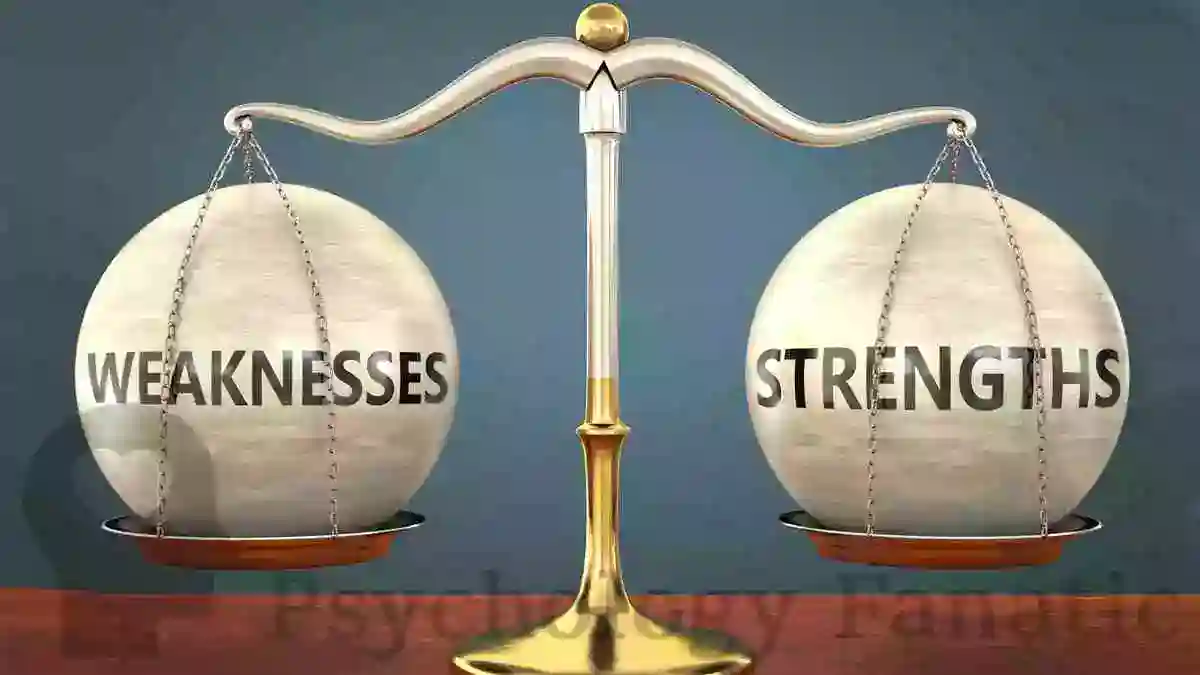 Read more: SWOT Self-Analysis
Self-analysis for success can be overwhelming. Utilize SWOT for a clearer vision. Capitalize on strengths, acknowledge weaknesses, seize opportunities, and prepare for threats. Similar frameworks like SOAR and NOISE can provide valuable perspectives in personal…
-
 Read more: Undoing Hypothesis of Positive Emotions
The undoing hypothesis, as proposed by Barbara Fredrickson, suggests that positive emotions can counteract the damaging effects of stress and arousal, promoting physiological and psychological health. Positive emotions broaden and build enduring resources, facilitating tension…
-
 Read more: Boredom Impacts Mental Health
Boredom impacts mental health, leading to negative outcomes. Five types of boredom exist, each with different characteristics. While boredom can lead to negative consequences, it can also motivate healthy behaviors and creativity, impacting overall well-being.…
-
 Read more: Compensatory Skills
Life is full of challenges, both external and internal, and our ability to compensate for our weaknesses is crucial. Compensatory skills allow us to navigate obstacles and achieve satisfaction despite limitations. However, overcompensation can be…