
Journeying Through Human History: Evolutionary Psychology
Embarking on a journey through the annals of human history, evolutionary psychology offers a window into the very essence of our being. It beckons us to explore the ancient landscapes that have shaped our modern minds, revealing the primal forces that have sculpted our thoughts, behaviors, and emotions. This article invites you to traverse the evolutionary pathways that have led to our sophisticated cognitive architecture, unraveling the mysteries of our ancestral past to understand the complexities of the human psyche today. Join us as we delve into the core principles of evolutionary psychology, where the echoes of survival and adaptation resonate in the corridors of our consciousness, guiding our every move.
What is Evolutionary Psychology?
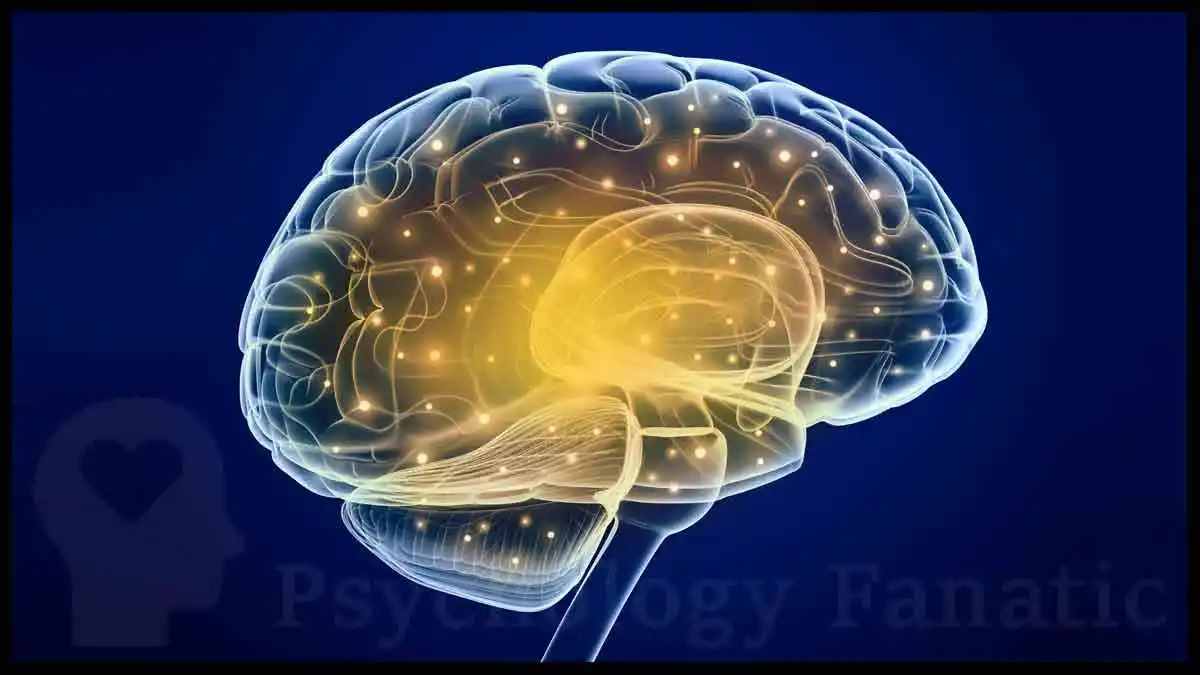
Evolutionary psychology is a fascinating field that explores how our ancient ancestors’ behaviors and mental processes have shaped the way we think and act today. Humans possess a huge brain, approximately 1,350 cubic centimeters. This organ is the most complex organic structure in the known world. It is the power that built and destroyed large civilizations. Understanding the mechanisms of the brain, along with all the processes we attribute to the mind, through an evolutionary perspective is the goal of the scientific discipline called evolutionary psychology.
David M. Buss Ph.D., a professor of psychology at the University of Texas identifies four key questions that evolutionary psychology strives to answer. These are:
- Why is the mind designed the way it is—that is, what causal processes created, fashioned, or shaped the human mind into its current form?
- How is the human mind designed—what are its mechanism or component parts, and how are they organized?
- What are the functions of the component parts and their organized structure—that is what is the mind designed to do?
- How does input from the current environment interact with the design of the human mind to produce observable behavior (Buss, 2019).
The subject matter is human behavior. The lens through which scientist examine it is evolution.
Complex Interweaving of Disciplines
The curiosity of why humans do what they do has not changed. Researchers in evolutionary psychology still ponder the same questions. However, this new domain of research adds evolution to the mix. Evolutionary psychology does not stand alone but examines behavior in conjunction with other fields of research. Steven Pinker, a cognitive psychologist and psycholinguist, wrote: “New ideas from four frontiers of knowledge—the sciences of mind, brain, genes, and evolution—are breaching the wall with a new understanding of human nature” (Pinker, 2003).
Douglas T. Kenrick, a prominent figure in the field of psychology, known for his work integrating evolutionary psychology, wrote that by studying human behavior in an evolutionary context, “we have discovered an array of simple and selfish rules underlying our everyday decisions. The old view was that those rules only applied to sex and aggression and that evolutionary analyses did not apply to more complex decisions” (Kenrick, 2011).
Before the latest discoveries in neurobiology, scientists developed evolutionary theories of behavior, proposing arguments for behavior derived from our evolutionary past. However, these speculations were no more than hunches. They lacked the scientific rigor to stand-up to deeper explorations of the brain. Pinker wrote: “In the game of evolution, is it better to be monogamous or polygamous? Gentle or aggressive? Cooperative or selfish? Indulgent with children or stern with them? Optimistic, pragmatic, or pessimistic? For questions like these, hunches are unhelpful, and that is why evolutionary biology has increasingly been brought into psychology” (Pinker, 2003).
A Broader View of Human Behavior
Evolutionary psychiatrist, Randolph Nesse explains that a greater understanding requires seeing “the whole landscape” from “a mile high using special glasses that show changes across evolutionary as well as historical time” (Nesse, 2019). Up here, in the sky, we gain a broader view of our humanity, with all its beauties and absurdities. We zoom down, microscopically close to the ground and we see the synaptic connections, the firing neurons, and flow of neurotransmitters. We step back from our microscopic examination and see the behaviors, thoughts, culture, and language. Life is a marvelous mystery.
Preserving Our Genes
An underlying concept of evolution is the innate drive to preserve our genes. Richard Dawkins, a British evolutionary biologist, ethologist, and author, renowned for his work in the field of evolutionary biology, argues that the fundamental unit of natural selection is not the species, the individual, or the group, but rather the gene itself. He proposes that genes are “selfish” in that they are driven by the imperative to replicate and pass themselves onto the next generation.
Dawkins wrote: “A great number of survival-machine actions promote their genes’ welfare indirectly by influencing the behavior for other survival machines.” Basically, Dawkins concludes that there is a n intimate relationship between the genes and the organisms survival behaviors. He suggests that the genes “are the primary policy makers” and the “brains are the executives” (Dawkins, 2016).
Ada Lampert explains: “Our selected traits are made of matter–genes, hormones, the nervous system, the brain—and they are durable and eager to express themselves” (Lampert, 1997).
From the perspective of the gene, the survival of the individual is important only as long as they are reproductively relevant. Of course, genes do not make these contingent rules, our narratives do. The evolutionary drive is to stay alive and to have sex. The innate drives operate independently. Obviously, we can survive and have sex and not replicate our genes through reproduction.
The Unseen Influence of Evolutionary Adaptations
Kenrick explains: “The evolutionary influences on behaviors are not directly available to consciousness, whether for migrating birds or for humans acting aggressively to impress other humans” (Kenrick, 2011). Pinker adds that none of this means that “people literally strive to replicate their genes. If that’s how the mind worked, men would line up outside sperm banks and women would pay to have their eggs harvested and given away to infertile couples. It means only that inherited systems for learning, thinking, and feeling have a design that would have led, on average, to enhanced survival and reproduction in the environment in which our ancestors evolved” (Pinker, 2003).
When we speak about evolution, we struggle to step away from our cognitive-reasoning mind. We project our cultural-language based cognitions onto the biological drives of the organism. We do the same when explaining animal behavior. Accordingly, we take our concept of mind and project it onto others. This works well most of the time when we are dealing with like subjects. We may conclude motive behind another person similar to us based on our thinking style. However, the further we get from ourselves, a different culture, species, or biological function, the less representative our thinking style is in motivating the actual behavior of the other (person, animal, gene, etc.).
Basic Principles of Evolutionary Psychology
Natural Selection
Just like animals, humans have evolved traits that helped them survive. Behaviors that made our ancestors more likely to live and have babies became more common over time. Natural selection is a central concept in evolutionary psychology, which applies Charles Darwin’s theory of evolution to understand human behavior and mental processes. In the context of evolutionary psychology, natural selection refers to the process by which certain traits become more common in a population because they contribute to an individual’s survival and reproductive success.
Here’s a simplified explanation:
- Variation: Within a population, individuals have variations in physical traits and behaviors.
- Inheritance: These traits and behaviors can be inherited by offspring.
- Differential Survival: Some variations are more advantageous than others in a given environment, leading to better survival rates.
- Reproduction: Individuals with advantageous traits are more likely to reproduce and pass on these traits to the next generation.
Over time, these advantageous traits become more common in the population, while less advantageous traits may disappear. This process shapes not only physical features but also psychological tendencies and behaviors that may have been beneficial for our ancestors’ survival and reproduction.
Social Behavior and Natural Selection
For example, a tendency to fear snakes may have developed because early humans who were cautious around snakes were more likely to survive and pass on their genes. However, as Pinker explains: “Natural selection favors organisms that are good at reproducing in some environment. When the environment consists of rocks, grass, and snakes, it’s fairly obvious which strategies work and which ones don’t. But when the relevant environment consists of other members of the species evolving their own strategies, it is not so obvious” (Pinker, 2003).
Accordingly, social behaviors that fostered group cohesion and cooperation might have been selected for because they improved the chances of survival in a group-living species like humans. Yet, these behaviors are complex. Individual’s may achieve social goals in a number of healthy and unhealthy ways. The complex social behaviors of humans is a primary topic of examination by evolutionary psychologists.
Evolutionary psychologists study these adaptations of the mind in the same way biologists study physical adaptations, by looking at the historical problems our ancestors faced and the successful mental strategies they used to solve these problems. Successful patterns of strategies, often related to biological character traits, provide a survival advantage. Thus these traits may increase in populations according to the laws of natural selection.
Emotions, Drives, and Cognitions
At the heart of most psychology concepts and theories are emotions, drives and cognitions. These process are the heart of psychology and ultimately behavior. Emotions, drives, and cognitions also are significant in evolution. These functions drive evolutionary behaviors the enhance survival and reproduction.
Pinker explains, “I think we have reason to believe that the mind is equipped with a battery of emotions, drives, and faculties for reasoning and communicating, and that they have a common logic across cultures, are difficult to erase or redesign from scratch, were shaped by natural selection acting over the course of human evolution, and owe some of their basic design (and some of their variation) to information in the genome” (Pinker, 2003).
Nesse adds: “An evolutionary perspective suggests a simple definition of emotions based on the forces that shaped them: Emotions are specialized states that adjust physiology, cognition, subjective experience, facial expressions, and behavior in ways that increase the ability to meet the adaptive challenges of situations that have recurred over the evolutionary history of a species” (Nesse, 2019).
Antonio Damasio, a distinguished Portuguese neuroscientist, explains that both the context in which “an emotion is engaged and the intensity of the emotion are important factors in the potential value of an emotion on a specific occasion.” Damasio continues: “Think of how many lives have been saved by fear or anger in the right circumstances. These reactions are likely to have prevailed in evolution because they automatically supported survival. They still do, and that is probably why they remain part and parcel of the daily existence of human as well as nonhuman species” (Damasio, 2003).
Adaptation
Our brains have developed ways to solve problems that our ancestors faced, like finding food and protecting themselves from danger. Adaptation refers to the interaction between an organism and their environment. Adaptation are solution based changes in an organism to problems and obstacles encountered in the environment. These solutions became part of our psychological makeup.
Elling Ulvestad explains in his fabulous book on adaptations that “an organism’s environmental conditions vary considerably through time and space, and any given animal will therefore make frequent ‘mistakes’ that may be fatal if it does not adapt to those circumstances.” He continues: “Adaptive plasticity has, in many respects, made homo sapiens into an all time evolutionary winner” (Ulvestad, 2007, p. 81).
Kendrick explains that adaptation is a function of many parts of the brain, not a single unified adaptation. He wrote: “Our minds are equipped with a set of subprograms designed to focus our attention and our mental abilities on the current most-important set of opportunities and threats. The result is that rather than having brains with a single ‘rational’ information processor crunching information, we have a set of different subprograms in there, each crunching information in a way designed to solve the most immediately important problems. Remember one of the key messages from the fusion of evolutionary psychology and cognitive science: The human mind is not a massive information-crunching computer but a multitude of mini-minds, a collection of independent mental adaptations specifically designed to solve particular adaptive problems by crunching different kinds of information in very different ways” (Kendrick, 2011).
We humans have to grant the presence of some past adaptations, even in their unforgivable extremes, if only to admit they are permanent rocks in the stream we’re obliged to navigate. A thousand anachronisms dance down the strands of our DNA from a hidebound tribal past. . . . If we resent being bound by these ropes, the best hope is to seize them out like snakes, by the throat, look them in the eye and own up to their venom.
Stress, Disease, and Evolution
Mental illness and disease pose an evolutionary mystery. Some refer to these maladaptations as evidence against the entire science. One would suppose that natural selection and survival of the fittest would elementate these characteristics from the human genome. However, again, these troubling aspects of human existence only appear as arguments against evolutionary psychology because we are projecting end states and goals onto the micro functions of individual cells.
Nesse explains, “diseases are not adaptations. They do not have evolutionary explanations. They were not shaped by natural selection. However, aspects of the body that make us vulnerable to diseases do have evolutionary explanations” (Nesse, 2019).
Stress Response
Our bodies biological respond to the environment. Survival demands this. A concept that bridges evolution, neuroscience, and psychology is stress. Research has discovered significant relationships between stress and disease. However, without stress, we would not survive. It motivates action.
Threats in the environment ignite the release of cortisol that prepares the body to react (fight or flight). However, cortisol has a damaging effect on body organs. A healthy functioning stress response entails the release of cortisol and then a cleansing return to homeostatic balance after the threat has dissipated. A more reactive threat reaction provides an advantage, along with organ damaging potentials.
Gregg Easterbrook wrote: “From an evolutionary standpoint, it may be that we are intended to feel unhappy regarding our circumstances. Certainly the prevalence in human bodies of the hormone cortisol suggests this” (Easterbrook, 2003). Stress is not bad. However, it certainly is not pleasurable, at least for most of us. Basically, stress is a survival mechanism for the demands of life. Stress makes us responsive to our environment. And sometimes makes us sick.
See General Adaptation Syndrome for more on this topic
Reproductive Success
In evolutionary psychology, reproductive success is considered the ultimate measure of an organism’s fitness in the context of natural selection. It refers to the number of offspring an individual contributes to the next generation, which in turn carry on the individual’s genetic material.
Lampert explains that natural selection “selects advantages that either directly or indirectly will help to produce offspring. It selected the tail for its advantage in cruising, it selected the feet for their advantage in walking, it selected the eyes for their advantage in perceiving the world, it selected fear for its advantage in bewaring of enemies, and it selected love for its advantage in mutual relationships” (Lampert, 1997, p. 7).
Here’s a more detailed look at love and the reproductive success in evolutionary psychology:
Genetic Contribution
Reproductive success in evolutionary psychology extends beyond the mere act of producing offspring; it fundamentally encompasses the crucial aspect of ensuring that those offspring not only survive but also reach maturity to reproduce themselves. This dual-layered approach highlights that an individual’s genetic legacy is intricately tied to the survival capabilities imparted to their progeny. The more effectively an organism can contribute to the next generation’s well-being—through protective behaviors, resource provision, and teaching essential survival skills—the greater its own reproductive success becomes. Consequently, this interplay between reproduction and survival forms a pivotal foundation for understanding natural selection, as successful transmission of genes relies on both quantity and quality of offspring. Thus, evolutionary strategies are often shaped by the innate drive to enhance not just personal reproductive output but also ensure that future generations thrive in their respective environments.
Behavioral Strategies
Evolutionary psychology examines how certain behaviors may have developed because they increased reproductive success. For example, behaviors that lead to attracting and securing mates, or those that help in protecting and nurturing offspring, would be seen as contributing to an individual’s reproductive success.
Lampert explains that research in the evolution of love rests on two basic assumptions: “The first states that the talent to love and to be loved, as well as the need to seek love, is part of human genetic equipment and is passed on from parents to children via heredity. The second states that this talent appeared somewhere along the lines of life on earth and has been undergoing changes since then by natural selection. These changes are what brought love in humans to such intensity” (Lampert, 1997, p. 12).
Sexual Selection
This is a specific type of natural selection focused on traits that increase an individual’s chances of mating. This can include physical characteristics like the peacock’s tail, or behaviors like courtship rituals. Sometimes, traits that help you find a mate can be just as important as those that help you survive. This means we might have evolved certain behaviors to look more attractive to potential partners.
Kendrick explains that the link between a man’s status and his value on the mating market “connects to two of the most important principles in evolutionary biology: sexual selection and differential parental investment. According to the principle of differential parental investment, when one sex (usually the female) invests more in the offspring, members of that sex will be more careful about mating. As a consequence, members of the other sex (usually the male) will need to compete to be chosen” (Kendrick, 2011).
Inclusive Fitness
This concept expands the idea of reproductive success to include the success of an individual’s close relatives. Since relatives share genetic material, helping them to survive and reproduce can also be a way to pass on one’s genes. Edward O. Wilson explains: “Complex social behavior can evolve when group members individually reap greater benefits in numbers of genes passed to the next generation than losses from their altruism, averaged through their behavior toward all members of the group. The combined effect on the survival and reproduction of the individual is called inclusive fitness” (Wilson, 2014).
The social interaction of human beings opens a whole new avenues of investigation for evolutionary psychologists. Evolution provides a uniques lens for examining all the theories, concepts, and foundations of group cohesiveness and out-group rejection.
See Social Psychology for more on these topics
Hormones and Reproduction
Our romantic human narrative prefers heart warming stories of love. However, breaking love down to the biological structures reveals that hormones play a primary role.
Hormones play a significant role in relationships, bonding, and reproduction, acting as chemical messengers that influence our emotions, behaviors, and physiological responses. Here’s how they contribute to each aspect:
Relationships:
- Oxytocin, often called the ‘love hormone,’ is released during physical touch and intimacy, fostering trust and bonding between individuals.
- Vasopressin is associated with behaviors that contribute to long-term relationships, such as pair bonding and paternal responses.
Bonding:
- Oxytocin also plays a crucial role in mother-infant bonding, released during childbirth and breastfeeding, which helps strengthen the emotional bond.
- In romantic relationships, the release of oxytocin and vasopressin during intimate moments can enhance emotional bonding and attachment.
Reproduction:
- Estrogen and testosterone are critical for sexual development and behavior, influencing sexual desire and functioning.
- Progesterone prepares the body for pregnancy and supports the early stages of fetal development.
- The hypothalamus and pituitary gland regulate the release of reproductive hormones, which control the menstrual cycle in females and sperm production in males.
These hormones interact with each other and the brain to influence human behavior in the context of relationships, bonding, and reproduction. They help form the biological basis for complex social behaviors and emotional connections that are central to human life
Evolutionary Mismatch
Sometimes, traits that were once advantageous for reproductive success may no longer be beneficial in modern environments. This is known as evolutionary mismatch, where our ancestral traits don’t necessarily fit with today’s world.
In summary, reproductive success in evolutionary psychology is about understanding how the ability to pass on genes to subsequent generations shapes behaviors and psychological traits. It’s a lens through which psychologists can understand why certain behaviors exist and how they have been shaped by evolutionary pressures.
Gene-Culture Coevolution
Our genes and our culture affect each other. As our societies change, the traits that are helpful might change too, and this can influence which genes are passed down. Merlin Donald wrote: “Without deep enculturation, we are relatively helpless to exploit the potential latent in our enormous brains because the specifics of our modern structures are not built in.” He continues, explaining that our brains “coevolved with culture and are specifically adapted for living in culture. In a sense our brain design ‘assumes’ the existence of a cultural storage mechanism that can ensure its full development. Cultural mind sharing is our unique trait, linked as it is to our conscious capacity” (Donald, 2002, p. 11).
Psychological Mechanisms
Our minds have specific parts that deal with different challenges. For example, we have instincts for things like language learning, fear, and finding mates. Evolutionary psychologists also examine these traditionally topics of cognitive psychology.
The topic of psychological mechanisms overlaps with all the topics already discussed in this article. They are programs that run simultaneously with the nuts and bolts of biology. Kenrick explains that evolved psychological mechanisms “were designed by natural selection to respond to variations in the environment. Hence, evolutionary psychology is inherently concerned with discovering the varying environmental cues that turn adaptive mechanisms on and off” (Kendrick, 2011).
Brain Mechanisms of Perception
Donald wrote: “Objects and events are not given directly to the eyes and ears, as are color, loudness, and brightness. They must be sought out and derived from a very noisy barrage of physical energy. Before any creature can become sensitive to such abstract aspects of the world, it must evolve the brain power to detect the existence of things that hide behind raw sensation. It must be able to find patterns in space and time and reveal the existence of objects and events” (Donald, 2002, p. 179).
Leonard Mlodinow, a theoretical physicist, mathematician, and author wrote: “The mechanisms by which people analyze situations involving chance are an intricate product of evolutionary factors, brain structure, personal experience, knowledge, and emotion. In fact, the human response to uncertainty is so complex that sometimes different structures within the brain come to different conclusions and apparently fight it out to determine which one will dominate” (Mlodinow, 2008, p. 112).
Environment of Evolutionary Adaptedness (EEA)
The Environment of Evolutionary Adaptedness (EEA) is a concept within evolutionary psychology that refers to the set of ecological and social conditions under which human cognitive abilities and behaviors evolved. It’s not a specific time or place, but rather a composite of the various selection pressures that existed during the period of a particular adaptation’s evolution.
Here’s a breakdown of the EEA concept:
- Selection Pressures: These are the environmental factors that influence the survival and reproductive success of individuals. In the EEA, these pressures shaped the development of psychological adaptations.
- Adaptive Problems: Evolutionary psychologists characterize The EEA by the specific challenges our ancestors faced that required solutions for survival and reproduction. These problems led to the development of adaptive traits and behaviors.
- Psychological Adaptations: Traits that enhanced survival and reproductive success became more common over generations. These include cognitive abilities, emotional responses, and social behaviors.
- Mismatch Theory: Sometimes, the modern environment differs significantly from the EEA, leading to a mismatch between our evolved psychological traits and current circumstances. This can result in behaviors that were once adaptive but may now be maladaptive.
For example, our preference for sweet and fatty foods was an adaptation to the EEA where such resources were scarce and valuable for survival. In today’s world of abundant high-calorie food, this preference can lead to health issues like obesity.
The EEA helps evolutionary psychologists understand why certain psychological mechanisms exist and how they might have been advantageous in ancestral environments. It’s important to note that the EEA is a conceptual tool rather than a historical reality; it represents the range of environments and challenges that shaped human evolution over time.
See Environment of Evolutionary Adaptedness or more on this topic
Books on Evolutionary Psychology
Evolutionary psychology is a vast subject, covering extensive topics within psychology. This article only touched the tip of the iceberg. For more investigation, several books are available.
List of books
- “The Selfish Gene” by Richard Dawkins: This classic book introduces the concept of the gene as the principal unit of selection in evolution and its implications for behavior.
- “The Blank Slate: The Modern Denial of Human Nature” by Steven Pinker: Pinker argues against the tabula rasa view of human psychology and supports the role of genetics and evolution.
- “Evolutionary Psychology: The New Science of the Mind” by David Buss: Buss provides a comprehensive overview of evolutionary psychology, covering topics from mating strategies to the origins of language.
- “Good Reasons for Bad Feelings: Insights from the Frontier of Evolutionary Psychiatry” by Randolph Nesse: Nesse provides a comprehensive examination of mental illness within the context of evolution.
- “Why is Sex Fun? The Evolution of Human Sexuality” by Jared Diamond: Diamond examines the peculiarities of human reproductive behavior from an evolutionary perspective.
- “The Moral Animal: Why We Are the Way We Are: The New Science of Evolutionary Psychology” by Robert Wright: Wright discusses how evolutionary theory can explain the way we think and behave.
- “The Ape That Understood the Universe: How the Mind and Culture Evolve” by Steve Stewart-Williams: This book looks at how evolutionary theory can explain human culture and cognition.
- “Behave: The Biology of Humans at Our Best and Worst” by Robert M. Sapolsky: Sapolsky explores the biological underpinnings of human behavior, including the influence of evolution.
- “Friends: Understanding the Power of our Most Important Relationships” by Robin Dunbar: Dunbar examines friendships through the lens of evolutionary psychology.
Application of Evolutionary Psychology
Evolutionary psychology offers a unique perspective on everyday life, providing insights that we can apply in various practical ways. Here are some examples:
- Understanding Social Dynamics: By recognizing the evolutionary roots of social behavior, we can better understand group dynamics in settings like the workplace or family gatherings. This can help in managing relationships and conflicts.
- Health and Wellbeing: Insights from evolutionary psychology can inform our approach to diet, exercise, and sleep, as these are linked to our ancestral environment and can impact our health.
- Life History Theory: This theory is a branch of evolutionary biology that focuses on the allocation of resources to different life activities, such as growth, reproduction, and survival.
- Education: Knowledge of evolutionary adaptations can help in creating educational environments that align with our natural learning processes, such as incorporating movement and social interaction into classrooms.
- Mental Health: Understanding the evolutionary basis of emotions and behaviors can inform therapeutic approaches and help individuals cope with issues like anxiety and depression.
- Relationships and Attraction: Evolutionary psychology sheds light on mate selection and attraction, offering explanations for the qualities we find appealing in partners and friends.
- Parenting: It provides insights into child development and the importance of secure attachments, guiding parenting practices that foster emotional resilience in children.
These applications show how evolutionary psychology isn’t just a theoretical field but one that has real-world relevance, helping us navigate the complexities of modern life with an understanding of our evolutionary past.
Associated Concepts
- Anthropology: Evolutionary psychology and anthropology both study human behavior, but evolutionary psychology adds a layer by considering how behaviors may have been advantageous for survival and reproduction in ancestral environments.
- Neuroscience: By examining how evolutionary pressures have shaped the brain’s structure and function, evolutionary psychology complements neuroscientific studies on the biological basis of behavior.
- Social Psychology: It provides insights into social structures and dynamics by considering how evolutionary factors influence group behavior and societal norms.
- Economics: Evolutionary psychology can inform economic models by exploring how evolved preferences and decision-making processes affect economic behavior.
- Intelligence and Cognitive Studies: It explores the evolution of intelligence and cognitive processes, providing a basis for understanding mental capabilities and their adaptive functions.
- Comparative Psychology: By comparing human behavior with that of other species, evolutionary psychology helps to identify unique aspects of human psychology and shared evolutionary roots.
A Few Words by Psychology Fanatic
As we stand on the precipice of the future, gazing back into the depths of our evolutionary past, we are reminded of the indelible marks left by our ancestors. Evolutionary psychology not only bridges the expanse between our primeval origins and contemporary behaviors but also illuminates the path forward in understanding the human condition. It is a testament to our species’ resilience and adaptability, a narrative woven through the fabric of our DNA. As we continue to explore the vast landscapes of the mind, let us carry with us the wisdom of evolution, using it to navigate the complexities of modern life with the same ingenuity that has carried humanity through the ages.
Last Update: August 22, 2025
References:
Buss, David M. (2019). Evolutionary Psychology: The New Science of the Mind. Routledge; 6th edition. ISBN: 9781138088610; APA Record: 1999-02236-000
(Return to Main Text)
Damasio, Antonio (2003). Looking for Spinoza: Joy, Sorrow, and the Feeling Brain. Harvest; First Edition. ISBN: 9780156028714
(Return to Main Text)
Dawkins, Richard (2016). The Selfish Gene. Oxford University Press; 4th edition. ISBN: 0199291152
(Return to Main Text)
Donald, Merlin (2002). A Mind So Rare: The Evolution of Human Consciousness. W. W. Norton & Company; Reprint edition. ISBN-10: 0393323196; APA Record: 2001-06841-000
(Return to Main Text)
Easterbrook, Gregg (2003). The Progress Paradox: How Life Gets Better While People Feel Worse. Random House; 1st edition. ISBN-10: 0812973038
(Return to Main Text)
Kenrick, Douglas T. (2011). Sex, Murder, and the Meaning of Life: A Psychologist Investigates How Evolution, Cognition, and Complexity are Revolutionizing our View of Human Nature. Basic Books; 1st edition. ISBN: 978-0-465-03234-1; APA Record: 2011-01298-000
(Return to Main Text)
Kingsolver, Barbara (1996). High Tide in Tucson: Essays from Now or Never. New York, NY: HarperCollins. ISBN: 9780060172916
(Return to Main Text)
Lampert, Ada (1997). The Evolution of Love. Praeger; First Edition. ISBN: 0275959074
(Return to Main Text)
Mlodinow, Leonard (2008). The Drunkard’s Walk: How Randomness Rules Our Lives. Vintage. ISBN-10: 0307275175; APA Record: 2009-06057-000
(Return to Main Text)
Nesse, Randolph M. (2019). Good Reasons for Bad Feelings: Insights from the Frontier of Evolutionary Psychiatry. Dutton; 1st edition. ISBN-10: 0141984910
(Return to Main Text)
Pinker, Steven (2003). The Blank Slate: The Modern Denial of Human Nature. Penguin Books; Reprint edition. ISBN-10: 0142003344; APA Record: 2002-18647-000
(Return to Main Text)
Ulvestad, Elling (2007). Defending Life: The Nature of Host-Parasite Relations. Springer; 2007th edition. ISBN-10: 1402056753; DOI: 10.1007/1-4020-5676-1
(Return to Main Text)
Wilson, Edward O. (2014). The Meaning of Human Existence. Liveright; Reprint edition. ISBN: 978-1-63149-114-6; APA Record: 2014-37472-000
(Return to Main Text)