
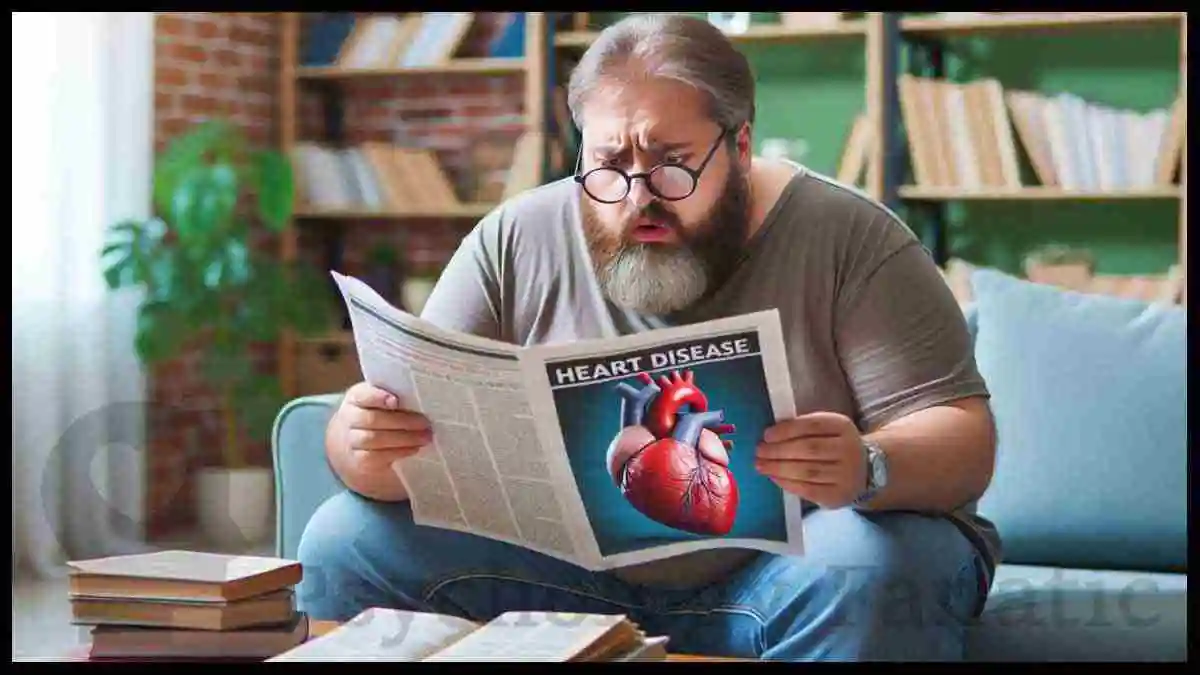
The Key to Health Choices: Demystifying the Health Belief Model
Embarking on a journey through the intricate corridors of human behavior, we find ourselves at the threshold of understanding how beliefs shape our health choices. The Health Belief Model (HBM) stands as a sentinel at this gateway, offering a key to unlock the mysteries of why we act—or hesitate—in matters of health. This psychological framework, rich in its exploration of personal perceptions and motivations, serves as a compass. The model guides us through the complex terrain of health-related decision-making. As we delve into the HBM, we uncover the subtle yet powerful forces.
The model identifies the motivating agents to health related behavior as perceived susceptibility, seriousness of the illness, and a weighing of benefits, and barriers. These factors all converge to influence the paths we take towards wellness.
History
The Health Belief Model (HBM) was developed in the 1950s by a group of social psychologists at the U.S. Public Health Service. The primary developers were Irwin M. Rosenstock, Godfrey M. Hochbaum, S. Stephen Kegeles, and Howard Leventhal. The Health Belief Model (HBM) was first published in the context of studies on the uptake of tuberculosis X-ray screening by Godfrey M. Hochbaum in 1958 (Abraham & Sheeran, 2007). The model has since been refined and expanded upon, but the initial research by Hochbaum laid the groundwork for what would become one of the most influential theories in health behavior research. They created the model to explain and predict health-related behaviors, especially regarding the uptake of health services. The HBM has since become one of the most widely used and well-known theories in health behavior research.
The Basic Features of the Health Belief Model
The Health Belief Model (HBM) is a psychological model that explains and predicts health behaviors by focusing on the attitudes and beliefs of individuals. Charles Abraham and Paschal Sheeran explain the model focuses on beliefs. This is because “beliefs provide an ideal target because they are enduring individual characteristics which influence behavior and are potentially modifiable” (Abraham & Sheeran, 2007l).
The main concepts of the HBM are mostly centered on perceptions (beliefs). They include:
- Perceived Susceptibility: This refers to an individual’s assessment of their risk of getting a condition or disease.
- Perceived Seriousness: This involves the individual’s belief about the seriousness of a condition and its potential consequences.
- Perceived Benefits: This concept addresses the individual’s belief in the efficacy of the advised action to reduce risk or seriousness of the condition.
- Perceived Barriers: This pertains to the individual’s evaluation of the obstacles or costs involved in taking the advised action.
- Cues to Action: These are factors that trigger the decision-making process to accept a recommended health action.
- Self-Efficacy: This is the confidence in one’s ability to successfully take action and perform a specific behavior.
These concepts work together to influence an individual’s decision-making process regarding health behaviors, such as getting screened for diseases, following medical advice, or engaging in health-promoting activities like exercise and healthy eating. Understanding these concepts can help healthcare professionals design effective interventions to encourage healthy behaviors.

(Psychology Fanatic Diagram)
A Deep Dive into the Constructs
Modifying Variables
In the Health Belief Model (HBM), modifying variables are factors that can influence an individual’s beliefs about their health and can affect their health-related behaviors indirectly. These variables include:
- Demographic Variables: Such as age, gender, race, ethnicity, and socioeconomic status (SES).
- Psychological Variables: Including personality traits, personal values, and knowledge about the disease or condition.
- Structural Variables: Such as knowledge of the disease and prior contact with the disease, which can affect perceptions of susceptibility and severity.
These modifying variables can alter how individuals perceive the severity and susceptibility to a health condition, the benefits of taking action, and the barriers they may face. By understanding these variables, health professionals can tailor interventions to be more effective for different populations.
Perceived Susceptibility
Perceived susceptibility within the Health Belief Model (HBM) is an individual’s subjective assessment of their risk of developing a health problem. It’s about how likely a person believes they are to contract a disease or condition.
For instance, if someone perceives a high risk of catching the flu, they might be more inclined to get vaccinated. This perception plays a critical role in the HBM as it can motivate preventive health behaviors. People with a higher sense of vulnerability to a specific illness are more likely to take action to prevent it. Consequently, they may adhere to healthy practices or seeking medical advice.
The HBM predicts that individuals who believe they are susceptible to a particular health problem will engage in behaviors to reduce their risk of developing the health problem. Conversely, those with low perceived susceptibility may deny that they are at risk for contracting a particular illness. Accordingly, they may not take preventive measures. It’s a key factor in understanding why people decide to engage in health-related behaviors or not.
Perceived Seriousness
Perceived seriousness refers to an individual’s assessment of the severity of a health problem. This includes assessment of its potential consequences if they do not take action. This perception includes not only medical outcomes like death or disability but also possible social repercussions that could affect family life and relationships.
The HBM suggests that if a person believes a health condition to be serious, they are more likely to engage in behaviors aimed at preventing the health problem or reducing its severity. This component of the model is crucial because it influences the motivation behind health-related behaviors. For example, someone who perceives a high severity in not getting vaccinated may be more inclined to follow through with vaccination.
Perceived Benefits vs. Perceived Barriers
Perceived benefits refer to an individual’s belief in the effectiveness of taking action to reduce the risk or seriousness of a health condition. It encompasses the positive outcomes that people believe will result from a specific health-related behavior.
Perceptions create a very subjective slant to actual facts. Neuroscientist V. S. Ramachandran explains: “Perception is an actively formed opinion of the world rather than a passive reaction to sensory input from it” (Ramachandran, 2011).
From the flow chart, we see that several variables contribute to this balance. For example, at age 21, I am much less likely to perceive heart disease as a legitimate threat. In addition, a younger person may have less health coverage, no regular physician, and limited funds to cover expenses. In this case, the perceived benefit-barriers balance looks much different than to a 65 year old man experiencing shortness of breath when walking short distances.
Basically, if a person believes that eating healthy and exercising regularly will significantly reduce their risk of heart disease, those are the perceived benefits that may motivate them to adopt a healthier lifestyle. The HBM posits that the greater the perceived benefits, the more likely an individual is to perform a particular health behavior.
This concept is crucial because it helps health professionals understand what benefits individuals value. In addition, how these perceptions influence their decisions to engage in health-promoting behaviors. It’s all about weighing the pros of taking action against any potential cons or barriers.
Perceived Threat
The perceived threat is a construction of perceived seriousness, perceived vulnerability, and modifying variables. It represents an individual’s assessment of the risk of a health issue and the seriousness of its potential consequences. When both perceived susceptibility and perceived seriousness of a disease are high, the perceived threat is also high, which can motivate a person to engage in health-promoting behaviors.
For example, if someone believes they are at high risk for heart disease (high perceived susceptibility) and that heart disease can have severe consequences like heart attack or stroke (high perceived severity), they perceive a high threat. This high perceived threat may prompt them to adopt healthier lifestyle choices, such as regular exercise and a balanced diet, to mitigate the risk.
The HBM suggests that the higher the perceived threat, the more likely an individual is to take preventive actions or seek treatment. It’s a key concept in understanding and predicting health behaviors, as it encapsulates the motivation behind why people decide to act or not act on their health concerns.
Self-Efficacy
Self-efficacy in the context of the Health Belief Model (HBM) refers to an individual’s confidence in their ability to successfully perform and sustain a health-related behavior. It was added to the HBM to acknowledge the role of personal agency in health behavior change. Albert Bandura explains: “The strength of people’s convictions in their own effectiveness is likely to affect whether they will even try to cope with given situations” (Bandura, 1977, p. 193).
In simpler terms, self-efficacy is about whether a person believes they can take the necessary actions to manage their health effectively. For example, someone with high self-efficacy may feel capable of sticking to a healthy diet and exercise routine, while someone with low self-efficacy may doubt their ability to do so.
The inclusion of self-efficacy recognizes that believing in the effectiveness of a health behavior (perceived benefits) and recognizing the seriousness of a health threat (perceived seriousness) are not enough. People also need to believe that they can execute the behaviors required to influence outcomes. Higher levels of self-efficacy are associated with greater motivation and persistence in adopting and maintaining health-promoting behaviors.
This concept is crucial because it helps explain why some people, despite recognizing a health risk (perceived susceptibility) and knowing the benefits of action (perceived benefits), still fail to engage in health behaviors. They may lack the self-efficacy to initiate or continue these behaviors in the face of obstacles (perceived barriers). Thus, interventions aimed at improving health behaviors may be more effective if they also address and enhance self-efficacy.
See Self-Efficacy for more on this topic
Cues to Action
Abraham and Sheeran wrote that “the model proposes that cues to action can activate health behaviour when appropriate beliefs are held. These ‘cues’ include a diverse range of triggers including individual perceptions of symptoms, social influence and health education campaigns” (Abraham & Sheeran, 2007).
In the Health Belief Model (HBM), cues to action are the stimuli that prompt individuals to take health-related action. These cues can be internal, such as experiencing symptoms or pain, or external, like advice from others, media campaigns, or the illness of a family member.
These cues serve as triggers that initiate the decision-making process and motivate individuals to engage in behaviors that they believe will prevent or mitigate health issues. For example, a public health advertisement encouraging flu vaccinations can act as an external cue to action, leading people to get vaccinated. Similarly, experiencing shortness of breath could be an internal cue that prompts someone to quit smoking.
Cues to action are critical in the HBM because they can move individuals from awareness and intention into actual behavior change. Without a cue to action, even if someone recognizes a health risk (perceived susceptibility) and understands the severity (perceived seriousness), they may not take the necessary steps to address it. Therefore, identifying and providing effective cues to action are important components of health education and promotion strategies.
Edsel L. Beja Jr. explains that “focused thinking makes a focal item salient, which invokes strong emotions” (Beja, 2014). Basically, a cue helps call to working memory our beliefs. Our perception of seriousness of a disease and our belief in our vulnerability to contracting it doesn’t matter if we are not thinking about it.
Complex Weaving Together of the Concepts
The concept of perceived seriousness, along with perceived susceptibility, benefits, and barriers, helps explain why individuals decide to take action—or not—regarding their health. It’s a fascinating interplay of personal beliefs and the perceived risks and benefits that drive health-related decision-making. According to the theory, these elements interweave, creating or suppressing motivation to act.
The Health Belief Model in Action
A successful intervention based on the Health Belief Model (HBM) is the use of the model to increase participation in health screenings. For instance, in Australia, interventions designed using the HBM framework have been implemented to encourage adults to participate in bowel cancer screening programs (Nortje, 2024). Despite the availability of screening services, participation was low. By applying the HBM, health educators were able to address the perceived barriers and benefits. They also increased awareness about the susceptibility and severity of bowel cancer. Consequently, it enhanced self-efficacy among individuals. This led to improved participation rates in the screening program.
Another example is the application of the HBM in workplace health and safety for Hispanic/Latino meatpacking workers in Nebraska. The intervention focused on understanding the workers’ beliefs and attitudes towards health. It utilized the HBM constructs to promote engagement in health-promoting behaviors and utilization of occupational health services. By providing culturally and linguistically appropriate services, and identifying opportunities to reduce barriers, the intervention aimed to foster trust and encourage workers to engage in activities that promote their health, safety, and well-being (Ramos et. al., 2021).
These examples demonstrate how the HBM can be effectively used to design interventions that consider individual beliefs and attitudes towards health, leading to positive changes in health behaviors.
Individual Application of the Model
Applying the Health Belief Model (HBM) in your health promotion efforts involves understanding and addressing the key beliefs. By identifying key beliefs, we can focus our attention on modifying beliefs interfering with enacting healthy behaviors. Here’s how you can apply the HBM:
- Assess Perceived Risks: Identify the perceived susceptibility and severity of health issues within your target audience. Understand their views on how likely they are to be affected by a health condition and how serious the condition is.
- Highlight Benefits: Clearly communicate the benefits of taking preventive health actions. Emphasize how these actions can reduce the risk of health problems and improve overall well-being.
- Address Barriers: Acknowledge and address perceived barriers to taking action. This could include financial, psychological, or logistical obstacles that prevent people from engaging in health-promoting behaviors.
- Enhance Self-Efficacy: Foster confidence in individuals to perform the desired health behaviors. This can be achieved through education, skill-building activities, and providing support.
- Provide Cues to Action: Offer reminders and prompts that encourage people to take action. This could be through public service announcements, health reminders, or events that focus on health awareness.
- Tailor Your Approach: Customize your health promotion strategies to resonate with the specific beliefs, cultural backgrounds, and needs of your target audience.
By incorporating these steps into your health promotion efforts, you can effectively use the HBM to encourage positive health behaviors and support individuals in making informed decisions about their health.
Limitations and Criticisms
While the Health Belief Model (HBM) has been influential in health psychology and behavior change, there are several arguments and critiques against it:
- Cultural Sensitivity: Critics argue that the HBM lacks cultural sensitivity. Accordingly, it may not adequately account for the diverse belief systems, norms, and values across different ethnic and social groups.
- Behavior Complexity: The model is said to oversimplify the complex nature of human behavior by not considering the social and environmental factors that influence health beliefs.
- Static Constructs: The HBM’s constructs are criticized for being too static and not accounting for changes over time or in different situations.
- Habitual Behavior: The model does not address how habits can shape decisions. Habits significantly contribute to health-related behaviors. Accordingly, ignoring the role of habits is a significant oversight.
- Non-Health Motivations: It fails to consider that people often engage in actions for reasons other than health, such as social acceptance or pleasure.
- Economic and Environmental Factors: The HBM does not take into account economic and environmental factors, such as living in a food desert or lacking resources to afford fresh fruits and vegetables.
- Limited Predictive Power: Some studies have found that the HBM has limited predictive power when it comes to explaining a wide range of health behaviors.
We are Irrational
One of the main critiques against the Health Belief Model (HBM) is the assumption that humans are rational about their choices. Often cognitions occur on the back end. We impulsively act and the confabulate the reasons why we acted the way we did. Antonio Damasio, a distinguished Portuguese neuroscientist, explains that “irrationality is the enemy to prediction.” However, he adds that “even if our reasoning strategies were perfectly tuned, it appears, they would not cope well with the uncertainty and complexity of personal and social problems” (Damasio, 2005).
Basically, human complexity often creates chaos of organized flow charts of cognition. We often act in unpredictable ways. We know we should eat right, we know our family is prone to heart disease, we have the money and time, as well as the ability, to act on these perceptions, but we go eat a double cheeseburger at the pub and wash it down with a couple pints.
These critiques suggest that while the HBM can be a useful tool for understanding some aspects of health behavior. Those implementing programs may use the theory in conjunction with other theories or models for maximum benefit. Accordingly, like all theories, we need caution, using the theory to expand understanding without using it exclusively. When used in conjunction with other theories, it provides a more comprehensive understanding of health behaviors in different contexts.
Associated Concepts
- Theory of Planned Behavior (TPB): This theory suggests that behavioral intentions drive behavior. Intentions are a function of an individual’s attitude toward the behavior, the subjective norms surrounding the performance of the behavior, and the individual’s perception of control over the behavior.
- Theory of Reasoned Action (TRA): A precursor to the TPB, this theory posits that individuals’ behavioral intentions are shaped by their attitudes toward the behavior and subjective norms.
- Social Cognitive Theory (SCT): This theory emphasizes the role of observational learning, social experience, and reciprocal determinism in the development of health behaviors.
- Diffusion of Innovations Theory: This theory explains how new ideas and behaviors spread within a society or group. It provides insights into how health behaviors can be adopted at a community level
- Transtheoretical Model (TTM): Also known as the Stages of Change Model, this model proposes that individuals go through a series of stages when changing a behavior. These stages go from precontemplation to maintenance.
- Protection Motivation Theory (PMT): This theory focuses on how people are motivated to protect themselves from harm. It explains that individuals consider perceived severity and susceptibility to a threat, the efficacy of the protective behavior, and their self-efficacy to perform it. This theory shares many elements with the Health Belief Model (HBM).
- Precaution Adoption Process Model (PAPM): This model describes how a person comes to the decision to take action and how they translate that decision into action.
A Few Words by Psychology Fanatic
In conclusion, the Health Belief Model (HBM) offers a comprehensive framework for understanding the multifaceted nature of health behavior. It underscores the importance of individual beliefs and perceptions in the decision-making process related to health actions. By considering factors such as perceived susceptibility, perceived severity, perceived benefits, perceived barriers, self-efficacy, and cues to action, the HBM provides valuable insights. These cognitions help explain why people choose to engage in health-promoting behaviors—or why they may fail to do so.
As we navigate an ever-evolving healthcare landscape, the HBM remains a vital tool for health professionals seeking to design effective interventions. It encourages a holistic approach that not only educates individuals about health risks and benefits but also empowers them. The HMB model instills confidence in individuals to take control of their health outcomes.
Whether addressing chronic diseases, infectious diseases, or preventive health measures, the HBM reminds us that at the heart of health behavior change lies the individual’s perception. By enhancing our understanding, we can better support individuals to make informed decisions. Our knowledge can be the gateway for ourselves and others to experience healthier lives.
The journey to optimal health is a personal one. The HBM serves as a guide to help individuals understand the psychological pathways that can lead to more positive health choices. It is a testament to the power of belief in shaping our health destinies.
Last Update: August 21, 2025
References:
Abraham, Charles & Sheeran, Paschal (2007). The Health Belief Model. Editors Susan Ayers, Andrew Baum, Chris McManus, Stanton Newman, Kenneth Wallston, John Weinman, and Robert West in Cambridge Handbook of Psychology, Health and Medicine. Cambridge University Press.
(Return to Main Text)
Bandura, A. (1977). Self-efficacy: Toward a unifying theory of behavioral change. Psychological Review, 84(2), 191-215. DOI: 10.1037/0033-295X.84.2.191
(Return to Main Text)
Beja, Edsel L. (2014). The Focusing Illusion and Happiness: Evidence Using College Basketball Championship. Social Indicators Research, 121(3), 873-885. DOI: 10.1007/s11205-014-0667-x
(Return to Main Text)
Nortje, Alicia (2024). What Is the Health Belief Model? An Updated Look. Positive Psychology. Published: 4-12-2024; Accessed: 5-31-2024.
(Return to Main Text)
Ramachandran, V. S. (2011). The Tell-Tale Brain: A Neuroscientist’s Quest for What Makes Us Human. W. W. Norton & Company; Reprint edition.
(Return to Main Text)
Ramos, A. K., Carvajal-Suarez, M., Trinidad, N., Quintero, S. A., Molina, D., Johnson-Beller, R., & Rowland, S. A. (2021). Health and Well-Being of Hispanic/Latino Meatpacking Workers in Nebraska: An Application of the Health Belief Model. Workplace Health & Safety, 69(12), 564-572. DOI: 10.1177/21650799211016907
(Return to Main Text)