
Tag: Theory of Emotion
-

Relational Frame Theory (RFT)
Read more: Relational Frame Theory (RFT)Relational Frame Theory (RFT) elucidates how human language shapes cognition and emotional responses through learned relational frames. It explains why…
-

Ortony, Clore, and Collins’ (OCC) Model of Emotion
Read more: Ortony, Clore, and Collins’ (OCC) Model of EmotionThe OCC model, developed by Ortony, Clore, and Collins in 1988, categorizes emotions as cognitive responses based on evaluations of…
-
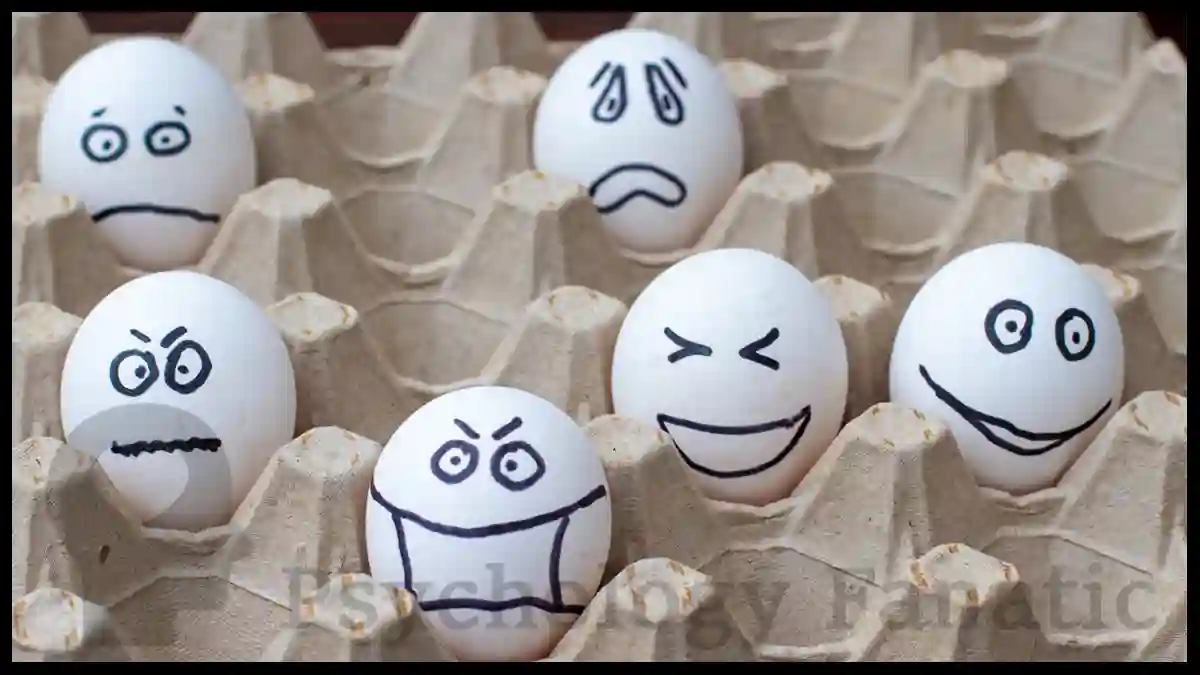
Frijda’s Laws of Emotion
Read more: Frijda’s Laws of EmotionNico Frijda’s Laws of Emotion present eight principles explaining how emotions emerge, function, and influence behavior. These laws emphasize that…
-

Richard Lazarus’ Cognitive-Appraisal Theory
Read more: Richard Lazarus’ Cognitive-Appraisal TheoryRichard Lazarus’s Appraisal Theory describes how emotions originate from our interpretations of external stimuli, through primary and secondary appraisals. Primary…
-

Klaus Scherer’s Component Process Model
Read more: Klaus Scherer’s Component Process ModelKlaus Scherer’s Component Process Model (CPM) provides a comprehensive framework for understanding emotions as dynamic, multi-component systems. It emphasizes the…
-

Roseman’s Appraisal Model of Emotions
Read more: Roseman’s Appraisal Model of EmotionsRoseman’s Theory of Appraisal posits that emotions stem from our cognitive evaluations of events through seven appraisals impacting emotional responses.…