
Associative Learning: Connecting Stimuli and Events
Associative learning is a fascinating and essential aspect of how we interact with the world around us, shaping our behaviors and responses through the connections we form between stimuli. Imagine walking into a room where you hear a familiar song playing; suddenly, you’re flooded with memories tied to that melody—perhaps a summer romance or an exciting adventure. This ability to link experiences through association not only enriches our lives but also serves as a fundamental mechanism for survival, allowing both humans and animals to adapt to their environments by predicting outcomes based on past encounters.
As we delve deeper into the mechanisms of associative learning, we’ll uncover its two primary forms: classical conditioning and operant conditioning, each illustrating unique pathways through which connections are made in our brains. From Pavlov’s iconic experiments with dogs to B.F. Skinner’s groundbreaking work on behavior reinforcement, these concepts illuminate how learned associations influence everything from emotional responses to everyday decision-making. Join us on this journey as we explore the intricacies of associative learning and its profound implications across various fields—from clinical psychology and education to behavioral therapy and neuroscience.
Key Definition:
Associative learning is a type of learning where an individual or animal learns to associate two or more stimuli or events. This can involve learning that certain environmental cues predict specific outcomes or that certain actions lead to particular consequences.
Introduction: Decoding the Mechanisms of Learning through Association
In 1898, Edward Thorndike conducted a series of experiments with placing cats in a “puzzle box.” Outside of a door in the “puzzle box”, Thorndike placed a bowl of food to reward the cats for successively opening the door. He discovered that over repeated successful attempts to get through the door and find the food, the cats became more adept at the process.
Thorndike proposed that of several responses made to the same situation, “those which are accompanied or closely followed by satisfaction to the animal will, other things being equal, be more firmly connected with the situation” (Thorndike, 1911, p. 244).
Thorndike theorized that when a response is made that is “contiguous with an event of motivational significance (such as food) then a connection, or an association, will be established between the environmental stimuli and that response” (Haselgrove, 2016). Thorndike’s findings influenced behaviorism, paving the way for behaviorism’s proposed associative structure of learning.
Associative learning refers to making associations between a behavior and a reward. The association is learned. Basically, it refers to an individual making a connection between two stimuli or between a stimulus and a response. This type of learning is critical for understanding behavior and cognitive processes in both humans and animals. Through associative learning, organisms adapt to their environment by forming connections that help predict future events based on past experiences.
Types of Associative Learning
There are two primary forms of associative learning: classical conditioning and operant conditioning. Both involve the formation of associations but differ in their mechanisms and applications.
Classical Conditioning
Classical conditioning, also known as Pavlovian conditioning, was first described by Ivan Pavlov, a Russian physiologist, in the early 20th century. Pavlov’s experiments with dogs demonstrated that a neutral stimulus (such as a bell) could be paired with an unconditioned stimulus (such as food) to produce a conditioned response (such as salivation) (Murphy, 2023).
Classical conditioning is a learning process that involves “the association of a previously unimportant event (e.g., the conditioned stimulus, CS) with an event that has significance to the organism (e.g., the unconditioned stimulus, UCS).” Once this occurs, “the previously unimportant event also takes on significance” (Solomon, 1987, p. 117). Joseph LeDoux, a prominent American neuroscientist known for his groundbreaking research on the neural mechanisms of emotion, puts it this way, “Fear conditioning turns meaningless stimuli into warning signs, cues that potentially dangerous situations on the basis of past experiences with similar situations” (LeDoux, 2015).
Susan Schneider explains that “environmental features, internal cues, and behaviors themselves” can all become “classically conditioned eliciting signals, like Pavlov’s bell—much like the wide range of signals that can be associated with consequences” (Schneider, 2012).
The key components of classical conditioning are:
- Unconditioned Stimulus (US): A stimulus that naturally and automatically triggers a response without prior learning (e.g., food).
- Unconditioned Response (UR): A natural, unlearned reaction to the unconditioned stimulus (e.g., salivation in response to food).
- Conditioned Stimulus (CS): A previously neutral stimulus that, after being paired with the unconditioned stimulus, triggers a conditioned response (e.g., the sound of a bell).
- Conditioned Response (CR): A learned response to the conditioned stimulus (e.g., salivation in response to the bell).
Classical conditioning explains many behaviors and emotional responses, including phobias, taste aversions, and certain aspects of addiction.
Operant Conditioning
Operant conditioning, also known as instrumental conditioning, was pioneered by B.F. Skinner, an American psychologist. This type of learning involves the association between a behavior and its consequences. Susan M. Schneider explains, “If a behavior gets going and keeps going because of a consequence, that consequence is a reinforcer. If a behavior declines because of a consequence, that consequence is a negative (a punisher)” (Schneider, 2012).
John B. Watson wrote that usually the “response that the organism makes to a stimulus brings about an adjustment, though not always.” Watson explains that adjustment means merely that “the organism by moving so alters its physiological state that the stimulus no longer arouses reaction” (Watson, 1924).
Unlike classical conditioning, operant conditioning is based on voluntary behaviors rather than reflexive responses.
The key components of operant conditioning are:
- Reinforcement: Any event that strengthens or increases the likelihood of a behavior. Reinforcement can be positive (adding a pleasant stimulus) or negative (removing an aversive stimulus) (Murphy, 2025) .
- Punishment: Any event that weakens or decreases the likelihood of a behavior. Punishment can be positive (adding an aversive stimulus) or negative (removing a pleasant stimulus). B.F. Skinner explains, “Punishment is easily confused with negative reinforcement.” He continues explaining that the same stimuli are “used, and negative reinforcement might be defined as the punishment of not behaving, but punishment is designed to remove behavior from a repertoire, whereas negative reinforcement generates behavior” (Skinner, 1974, p. 1,96).
Through operant conditioning, behaviors are shaped and maintained by their consequences. This has widespread applications in education, behavior modification, and animal training.
Generalization in Associative Learning
Generalization plays a crucial role in associative learning by allowing learned associations to extend beyond the specific stimulus or situation in which they were initially formed. Once an association is learned, the tendency for a similar stimulus to also elicit the learned response is known as generalization. This is an adaptive mechanism that enables organisms to apply what they’ve learned to novel, yet related, situations without having to learn each specific instance from scratch. For example, if a child learns to fear a specific type of dog that bit them, they might also generalize this fear to other dogs that share similar characteristics, such as size or breed. This ability to generalize allows for a more efficient and flexible response to the environment.
However, while generalization is often beneficial, it can also lead to overgeneralization or inappropriate responses. The degree of generalization depends on the similarity between the original conditioned stimulus and the new stimulus. The more similar the new stimulus is, the stronger the generalized response is likely to be. This phenomenon is vital for survival, as it allows for quick reactions to potentially dangerous situations based on past experiences. In educational and therapeutic settings, understanding generalization is important for designing effective learning strategies and interventions, as it can influence how readily learned behaviors or responses are transferred to new contexts.
Post Traumatic Stress Disorder
The theory of associative learning provides a significant framework for understanding the development and maintenance of post-traumatic stress disorder (PTSD). At its core, PTSD can be viewed as a condition where traumatic experiences lead to the formation of strong and often maladaptive associations through classical conditioning (Leising, 2025). During a traumatic event, an individual may experience intense fear, helplessness, and horror. Simultaneously, various neutral stimuli present in the environment at the time of the trauma—such as specific sights, sounds, smells, or even locations—can become paired with these overwhelming negative emotions. Through this process, these previously neutral cues become conditioned stimuli, capable of eliciting a conditioned response of fear, anxiety, and distress, even in the absence of the original threat.
Symptoms are Conditioned Responses
These learned associations manifest in many of the hallmark symptoms of PTSD. Intrusive memories and flashbacks can be understood as conditioned responses triggered by encountering cues that were present during the traumatic event. For example, the sound of a car backfiring might trigger a flashback in a combat veteran who experienced explosions. Similarly, avoidance behaviors, another key symptom of PTSD, can be seen as a learned response aimed at preventing exposure to these trauma-related cues and the associated distress. Individuals may actively avoid places, people, or activities that remind them of the trauma in an attempt to minimize their anxiety and fear.
Furthermore, operant conditioning plays a role in maintaining PTSD symptoms. Avoidance behaviors, while providing temporary relief from the intense negative emotions associated with trauma reminders, negatively reinforce the avoidance behavior itself. This creates a vicious cycle where the avoidance prevents the individual from processing the traumatic memories and learning that the once-threatening cues are now safe. Consequently, the initial fear associations are never extinguished, and the symptoms of PTSD persist over time. Understanding PTSD through the lens of associative learning helps to inform effective therapeutic interventions that aim to weaken these maladaptive associations and promote the learning of new, safer associations.
Applications of Associative Learning
Associative learning is not just a theoretical concept; it has practical applications across various fields.
Clinical Psychology
Associative learning plays a fundamental role in understanding and treating various psychological conditions in clinical psychology. Many psychological disorders, such as phobias, anxiety disorders, and substance use disorders, can be understood, at least in part, as the result of maladaptive associations that have been learned over time. For instance, a person with a phobia might have developed a strong association between a neutral stimulus (like a spider) and a fear response due to a past negative experience. Clinical interventions often aim to address these issues by helping individuals form new, healthier associations or weaken the problematic ones that contribute to their distress and maladaptive behaviors.
Several therapeutic techniques directly utilize the principles of associative learning. Exposure therapy, a common treatment for phobias and anxiety disorders, works by repeatedly exposing individuals to feared stimuli in a safe and controlled environment, gradually breaking the learned association between the stimulus and the fear response (Murphy, 2024). Aversion therapy, although less commonly used today, involves pairing an undesirable behavior (like smoking or drinking) with an unpleasant stimulus (like a bad taste or mild electric shock) to create a negative association.
Furthermore, principles of classical conditioning are often integrated into various therapeutic approaches, such as using safety cues to reduce anxiety or employing relaxation techniques to counter conditioned fear responses in individuals with trauma. By understanding and applying the principles of associative learning, clinicians can develop effective strategies to help individuals overcome psychological challenges and improve their well-being.
See Clinical Psychology for more information on this topic
Education
Associative learning offers a powerful framework for enhancing educational practices by leveraging the brain’s natural tendency to form connections. Educators can strategically link new information to existing knowledge or familiar stimuli to facilitate understanding and retention. For instance, using mnemonic devices like acronyms or rhymes helps students associate new concepts with easily remembered phrases. Similarly, incorporating visual aids, such as diagrams or pictures, alongside verbal explanations can create strong associations between visual and auditory information. Relating abstract concepts to real-world examples and scenarios also fosters associative learning by connecting new material to students’ prior experiences and making it more meaningful and relatable.
Principles of both classical and operant conditioning fall under the umbrella of associative learning. They can be effectively applied in the classroom. Classical conditioning can be used to create positive associations with learning, such as playing calming music during quiet work time or establishing consistent routines that signal specific activities. Operant conditioning principles can encourage desired behaviors and learning outcomes. They do this by associating behaviors with rewards or praise. By consciously applying these associative learning techniques, educators can create a more engaging and effective learning environment, promoting deeper understanding and long-term retention of information.
Behavioral Therapy
Behavioral therapy is fundamentally rooted in the principles of associative learning. It views psychological problems as learned behaviors. These behaviors can be modified through the application of these principles. At its core, behavioral therapy focuses on observable behaviors and the environmental factors that influence them, drawing heavily on the concepts of classical and operant conditioning. Classical conditioning explains how we learn to associate neutral stimuli with naturally occurring responses, while operant conditioning describes how behaviors are learned and maintained through their consequences (reinforcement and punishment). These two forms of associative learning provide the theoretical framework for understanding the development of both adaptive and maladaptive behaviors that are addressed in therapy.
In practice, behavioral therapy employs various techniques directly derived from associative learning. John B. Watson explained that it is “the business of behavioristic psychology to be able to predict and to control human activity” (Watson, 1924).
For example, exposure therapy, used to treat anxiety disorders and phobias, utilizes classical conditioning principles to break the association between a feared stimulus and the anxiety response. Systematic desensitization combines relaxation techniques with gradual exposure to feared stimuli to create a new, relaxed association. Operant conditioning principles are evident in techniques like contingency management, where desired behaviors are reinforced with rewards, and token economies, where individuals earn tokens for positive behaviors that can be exchanged for privileges. Behavioral therapists systematically apply these associative learning principles. They aim to help clients unlearn problematic behaviors. Moreover, therapists also help clients learn more adaptive and functional responses to their environment.
Neuroscience of Associative Learning
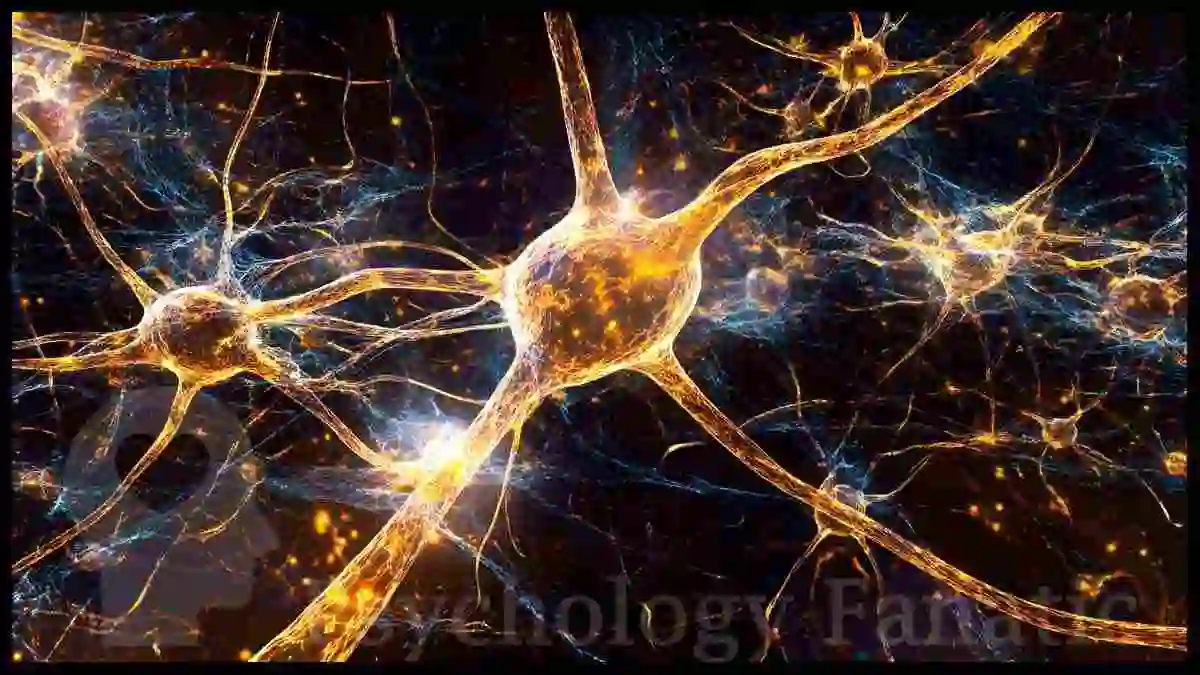
Associative learning, at the neurological level, hinges on the brain’s remarkable ability to forge connections between different stimuli or events that occur together in time or space. This process relies heavily on the interplay of various brain regions and neural pathways. For instance, the amygdala plays a crucial role in forming associations between stimuli and emotions. For example, a person who has learned to fear a particular sound because it occurred during the same time of a painful experience. The hippocampus, on the other hand, is vital for contextual associative learning, allowing us to remember where and when certain events occurred together. These brain regions communicate through complex networks of neurons, and the formation of an association is essentially the creation or strengthening of specific connections between these neurons (Greco & Liberzon, 2015).
Synaptic Plasticity
The underlying cellular mechanism that enables associative learning is known as synaptic plasticity, with long-term potentiation (LTP) being a key process. LTP refers to the long-lasting strengthening of synaptic connections between neurons that are repeatedly activated together. When two neurons fire simultaneously and repeatedly, the synapse between them becomes more efficient. This means that the first neuron becomes more effective at triggering the firing of the second neuron. This strengthening is facilitated by changes in the structure and function of the synapse, including the increased release of neurotransmitters like glutamate and the modification of receptors on the receiving neuron (Murphy, 2023).
Michael Gazzaniga explains that according to Hume’s theory, through association, “the impression of one event brings with it the impression of the other, and if they continue to show up together, eventually the association becomes habitual” (Gazzaniga, 2018, p. 41). These changes at the synaptic level are the fundamental building blocks of associative memories in the brain, allowing us to learn and adapt to our environment by recognizing and predicting relationships between different events.
Associated Concepts
- Law of Contiguity: This refers to the concept that the mind associates two events or stimuli experienced close together in time and/or space.
- Drive Reduction Theory: This theory proposed by Clark Hull posits that internal drives motivate organisms to fulfill physiological needs, aiming to restore homeostasis. We see drive reduction in behavior, learning, and motivation.
- Habituation: This refers to the diminishing of a physiological or emotional response to a frequently repeated stimulus. In simpler terms, it is the process of gradual adjustment to a particular stimulus. Over time, this leads to a decreased reaction.
- Neural Plasticity: Habituation reflects the brain’s ability to adapt to repeated stimuli by altering neural pathways and reducing neurotransmitter release at synapses involved in the response.
- Behavioral Momentum Theory (BMT): This theory explains why certain behaviors persist despite obstacles, drawing parallels with physical momentum. Reinforced behaviors gain “momentum,” making them resistant to change.
- Applied Behavior Analysis (ABA): This therapy style is a scientific method focused on understanding and improving human behavior using evidence-based strategies. It addresses challenges such as autism by employing techniques to reinforce positive behaviors while reducing maladaptive ones.
- Watson’s Fear Conditioning: This explains how individuals learn to associate certain stimuli with fear responses. Classical conditioning associates an initially neutral stimulus with an aversive event, leading to a learned fear response when the neutral stimulus is later encountered.
A Few Words by Psychology Fanatic
As we wrap up our exploration of associative learning, it’s clear that this remarkable process shapes not only our behaviors but also our identities and relationships. Whether you’re navigating the complexities of everyday life, you should recognize the power of learned associations. It can be a transformative tool for you as you strive to understand your emotional responses. By understanding how these connections are formed and reinforced, you can take charge of your experiences—transforming fears into opportunities for growth and creating positive pathways that enhance well-being.
At “Psychology Fanatic,” we believe that knowledge is empowering. As you reflect on the principles of classical and operant conditioning discussed in this article, consider how they apply to your own life. Perhaps you’re motivated to break free from limiting beliefs or cultivate healthier habits through reinforcement strategies. Whatever your journey may entail, remember that the insights gained from associative learning provide a foundation for change, helping you navigate life’s challenges with greater awareness and resilience. We invite you to dive deeper into this fascinating field as you continue expanding your understanding of psychology!
Last Update: October 14, 2025
References:
Gazzaniga, Michael S. (2018). The Consciousness Instinct: Unraveling the Mystery of How the Brain Makes the Mind. Farrar, Straus and Giroux.
(Return to Main Text)
Greco, John A.; Liberzon, Israel (2015). Neuroimaging of Fear-Associated Learning. Neuropsychopharmacology, 41(1), 320-334. DOI: 10.1038/npp.2015.255
(Return to Main Text)
Haselgrove, Mark (2016). Overcoming Associative Learning. Journal of Comparative Psychology, 130(3), 226-240. DOI: 10.1037/a0040180
(Return to Main Text)
LeDoux, Joseph (2015). The Emotional Brain: The Mysterious Underpinnings of Emotional Life. Simon & Schuster.
(Return to Main Text)
Leising, Kenneth J. (2025). The role of associative learning in sensitization. Learning & Behavior, OnlineFirst, 1-2. DOI: 10.3758/s13420-024-00659-8
(Return to Main Text)
Murphy, T. Franklin (2023). More Than Drool: The Lasting Impact of Pavlov’s Dog Experiments on Psychology. Psychology Fanatic. Published: 10-10-2023; Accessed: 3-21-2025. https://psychologyfanatic.com/pavlovs-dog-experiments/
(Return to Main Text)
Murphy, T. Franklin (2024). Unveiling the Science Behind Exposure Therapy. Psychology Fanatic. Published: 6-3-2024; Accessed: 3-21-2025. https://psychologyfanatic.com/exposure-therapy/
(Return to Main Text)
Murphy, T. Franklin (2025). Unlocking Human Potential: The Power of Reinforcement in Behavioral Psychology. Psychology Fanatic. Published: 1-9-2025; Accessed: 3-21-2025. https://psychologyfanatic.com/behavior-reinforcement/
(Return to Main Text)
Schneider, Susan M. (2012). The Science of Consequences: How They Affect Genes, Change the Brain, and Impact Our World. Prometheus.
(Return to Main Text)
Skinner, B.F. (1974/2011). About Behaviorism. Vintage; 1st edition.
(Return to Main Text)
Solomon, Paul R. (1987). Neural and Behavioral Mechanisms Involved in Learning to Ignore Irrelevant Stimuli. Editors Isidore Gormezano, William F. Prokasy, & Richard F. Thompson in Classical Conditioning. Lawrence Erlbaum Associates, Inc.
(Return to Main Text)
Thorndike, Edward L. (1911). Animal intelligence: Experimental studies. Macmillan.
(Return to Main Text)
Watson, John B. (1924/2012). Behaviorism. W. W. Norton & Company, Incorporated.
(Return to Main Text)
Related Articles

Behavioral Momentum Theory

Akers’ Social Learning Theory: Key Concepts in Criminology

Behavior Modification
