
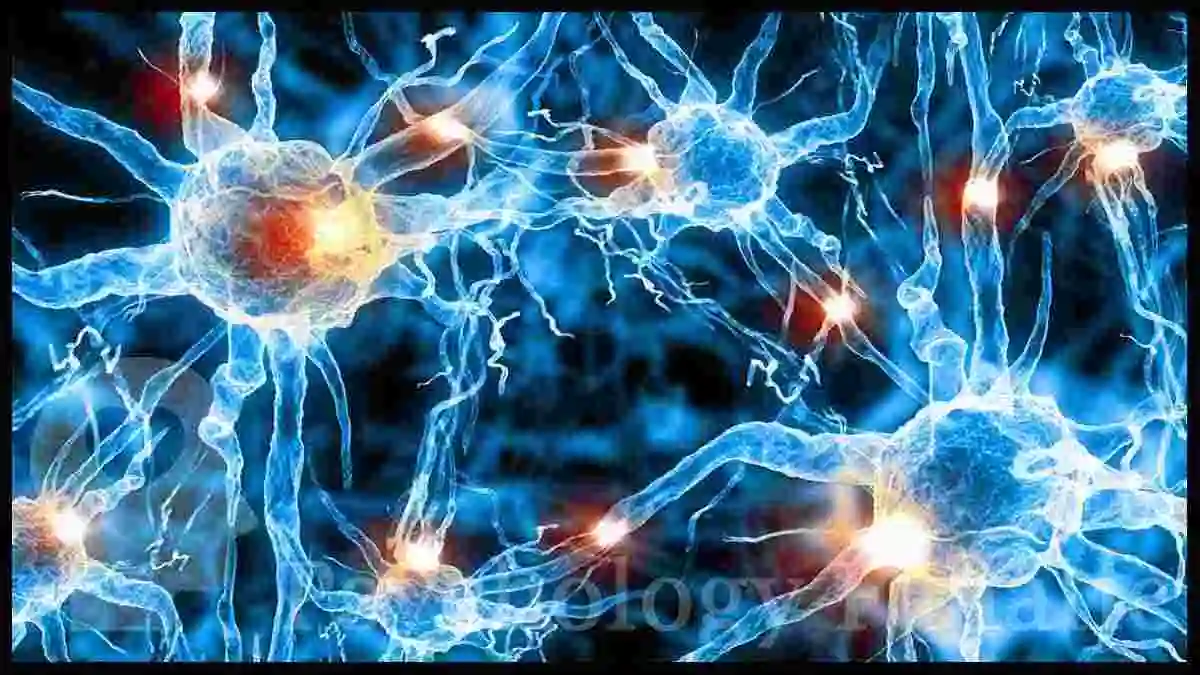
Behavioral Neuroscience: Linking Brain Activity to Human Behavior
The intricate dance between our biology and our behavior has captivated scientists and philosophers for centuries. How do the complex workings of the brain and nervous system give rise to our thoughts, emotions, and actions? This fundamental question lies at the heart of behavioral neuroscience, a dynamic field that bridges the gap between biology and psychology. By exploring the neural substrates of behavior, from the intricate circuitry of individual neurons to the complex interplay of brain regions, behavioral neuroscience seeks to unravel the biological mechanisms that shape who we are and how we interact with the world around us. This interdisciplinary approach provides invaluable insights into the biological basis of both normal and abnormal behavior, paving the way for advancements in our understanding of mental health and neurological disorders.
Behavioral neuroscience employs a diverse range of research methods, from studying the effects of brain lesions and genetic manipulations to utilizing advanced neuroimaging techniques that allow us to observe brain activity in real time. These investigations shed light on the roles of neurotransmitters, hormones, and neural circuits in mediating everything from basic reflexes and motor skills to complex cognitive processes like learning, memory, and decision-making. By examining the biological underpinnings of behavior, we can gain a deeper appreciation for the complex interplay between nature and nurture, understanding how genetic predispositions interact with environmental influences to shape our individual experiences.
This exploration into behavioral neuroscience will delve into the key concepts and methodologies that drive this fascinating field. We will examine how specific brain structures and neural pathways contribute to various behaviors, exploring the biological basis of emotions, motivation, and cognition. By understanding the intricate connections between brain and behavior, we can gain valuable insights into the human condition and develop more effective strategies for promoting mental health and treating neurological diseases.
Key Definition:
Behavioral neuroscience (also known as biological psychology, biopsychology, or psychobiology) is the study of the biological bases of behavior and mental processes. It explores how the brain, nervous system, hormones, and genes influence our thoughts, feelings, and actions.
An In-Depth Exploration of Behavioral Neuroscience
Behavioral neuroscience, also known as biological psychology, biopsychology, or psychobiology, is an interdisciplinary field that combines principles from psychology and neuroscience. It seeks to understand how the brain and the nervous system influence behavior, cognition, and emotions. Frank Rösler wrote that the goal of behavioral neuroscience is “to map psychological concepts onto physiological and anatomical concepts and vice versa.” Rösler continues to explain that the field provides, “many insights into how the neural machinery works and which electrical and chemical processes enable perception, movement, memory or language” (Rösler, 2012).
This field has grown significantly over the past few decades, driven by advances in technology and an increasing interest in understanding the biological basis of behavior.
Historical Background
The roots of behavioral neuroscience can be traced back to ancient civilizations, where scholars like Hippocrates and Aristotle speculated about the relationship between the brain and behavior. However, it wasn’t until the 19th and 20th centuries that the field began to take shape as a scientific discipline. Pioneers such as Ivan Pavlov, who studied conditioned reflexes, and John B. Watson, the father of behaviorism, laid the groundwork for modern behavioral neuroscience.
In the mid-20th century, the development of new techniques such as electroencephalography (EEG) and brain imaging technologies like functional magnetic resonance imaging (fMRI) revolutionized the field. These tools allowed scientists to observe and measure brain activity in real-time, providing unprecedented insights into the neural mechanisms underlying behavior.
Key Concepts and Theories
A close look at the human brain leaves the observer in stunned awe at the awesomeness of this organ. While our conscious exploration is incapable of comprehending the massiveness of the structured network of the brain, behavioral neuroscience moves us a few steps closer.
Behavioral neuroscience encompasses a wide range of topics, from basic neural processes to complex behaviors. Some of the key concepts and theories in the field include:
Neuroplasticity
Neuroplasticity refers to the brain’s ability to reorganize itself by forming new neural connections throughout life.
A.G. Naryshkin, I. V. Galanin, and A. Yu. Egorov explain:
“The human brain contains about 86 billion neurons that have a different structure and organization, depending on their affiliation with certain structures or nuclei. By the age of three, each neuron forms over 15000 synaptic connections. All of them have a high neuroplastic potential, which provides the formation and activity of mental or neurological functions, and disruption of these processes leads to the development of various diseases of the central nervous system” (Naryshkin et al., 2020).
The concept of neuroplasticity challenges the long-held belief that the adult brain is static and unchangeable. Neuroplasticity is crucial for learning, memory, and recovery from brain injuries. Researchers have discovered that experiences, such as learning new skills or practicing mindfulness, can induce structural and functional changes in the brain.
See Neuroplasticity for more on this topic
Neurotransmitters and Synaptic Transmission
Neurotransmitters are chemical messengers that transmit signals across synapses, the gaps between neurons. Different neurotransmitters, such as dopamine, serotonin, and acetylcholine, play specific roles in regulating mood, arousal, and cognitive functions. Synaptic transmission, the process by which neurotransmitters are released and received by neurons, is fundamental to understanding how the brain communicates and processes information (Patri, 2019).
One example to the role of neurotransmitters is the role of oxytocin in human attachment. Xiaochun Han and Yina Ma wrote that studies using placebo-controlled pharmacologic challenges have shown that “intranasal administration of oxytocin was associated with increased reciprocity and ingroup trust, concern for fairness, the cooperative provision of public goods, and the enforcement of cooperative norms through peer punishment” (Han & Ma, 2024).
Through these transmission the billions of neurons communicate. Behaviors can be traced to these communications. As science understands how these transmissions impact behaviors, they can design better treatments to treat psychological disorders.
Limbic System and Emotion
The limbic system, a group of interconnected structures in the brain, is primarily responsible for regulating emotions, motivation, and memory. Key components of the limbic system include the amygdala, hippocampus, and hypothalamus. The amygdala plays a crucial role in processing emotions such as fear and pleasure, while the hippocampus is essential for forming new memories.
Dr. Robert DeMoss explains that the limbic system “provides us with an immediate, ‘orienting response.’” The limbic system isthe general area “that supports an emotional response” (DeMoss, 1999, p. 173). Joseph simply puts it: “The limbic system is concerned almost exclusively with feeding, fornicating, fighting, or fleeing” (Joseph, 1993).
See the Limbic System for more on this topic
Behavioral Genetics
Behavioral genetics explores the role of genetic and environmental factors in shaping behavior. Twin and adoption studies have provided valuable insights into the heritability of various traits and disorders, such as intelligence, personality, and schizophrenia. Advances in molecular genetics have also enabled researchers to identify specific genes associated with behavioral traits.
Research Methods in Behavioral Neuroscience
Behavioral neuroscience employs a variety of research methods to investigate the relationship between the brain and behavior. These methods include:
Animal Models
Animal models, such as rodents and non-human primates, are widely used in behavioral neuroscience research. These models allow scientists to study the neural basis of behavior in a controlled environment and to conduct experiments that would be unethical or impractical in humans. Animal research has contributed to significant discoveries in areas such as addiction, learning and memory, and neurodegenerative diseases.
See Comparative Psychology for more on this topic
Neuroimaging Techniques
Neuroimaging techniques, including fMRI, positron emission tomography (PET), and magnetoencephalography (MEG), enable researchers to visualize and measure brain activity in humans. Brian D. Power and his colleagues explain, “Structural and functional neuroimaging provides in vivo access to view human brain structure and function throughout the lifespan, in a manner that can be directly correlated with an individual’s thoughts, feeling and behaviors” (Power et al., 2016).
Shannon L. Risacher wrote in her recent article on dementia that:
“Neuroimaging measures are considered essential biomarkers for the detection and diagnosis of most neurodegenerative diseases. The recent approval of anti-amyloid antibody therapies has highlighted the importance of MRI and PET techniques in treatment eligibility and monitoring for associated side effects” (Risacher, 2024).
These techniques provide valuable information about the brain regions involved in specific cognitive and emotional processes and help identify abnormalities associated with psychiatric and neurological disorders.
Electrophysiology
Electrophysiology involves recording electrical activity in the brain using techniques such as EEG and intracranial electrodes. This method allows researchers to study the timing and patterns of “rapid neural network dynamics” associated with different behaviors and cognitive functions (Schiller et al., 2024). EEG allows researchers to map the mind and neurological activity during emotional events, such as activations of anxiety or fear. Electrophysiological data can also be used to develop brain-computer interfaces and neuroprosthetic devices.
Lesion Studies
Lesion studies involve examining the effects of brain damage on behavior and cognition. By studying patients with localized brain lesions, researchers can infer the functions of specific brain regions. Lesion studies illuminate the complex, interconnectivity of the brain. Joseph Ledoux explains that our sense of self is a fragile patch job created in the brain. He explains that a brain lesion in one area can “affect the functions mediated by other regions or systems with which it is connected” (LeDoux, 2003).
Lesion studies have been instrumental in identifying the roles of brain areas such as the prefrontal cortex in decision-making and the Broca’s area in language production.
It’s important to preface this by stating that lesion studies in humans are primarily observational, meaning they study individuals who have already experienced brain damage due to injury, stroke, or disease. Ethical considerations prevent researchers from intentionally creating lesions in human brains for experimental purposes. However, animal studies, where lesions can be precisely controlled, have provided valuable insights that inform our understanding of human brain function.
Here are some examples of behavioral neuroscience experiments using brain lesions, both in animals and observations in humans:
In Animals
- Hippocampus and Memory: Classic studies by Brenda Milner with patient H.M. (who had his hippocampus surgically removed to treat epilepsy) demonstrated the crucial role of the hippocampus in forming new long-term memories. In animal studies, researchers create lesions in the hippocampus of rats and then test their performance on spatial memory tasks, such as mazes. These experiments consistently show that hippocampal lesions impair spatial learning and memory.
- Amygdala and Emotion: Lesions in the amygdala, a brain region involved in processing emotions, have been shown to affect emotional responses, particularly fear and aggression. In animal studies, researchers might lesion the amygdala of rats and then observe their behavior in response to fear-inducing stimuli, such as a predator or a loud noise. These studies typically show a reduction in fear responses after amygdala lesions (LeDoux, 2015).
- Hypothalamus and Motivation: The hypothalamus plays a key role in regulating motivated behaviors, such as eating, drinking, and sexual behavior. Lesions in different parts of the hypothalamus can lead to changes in these behaviors. For example, lesions in the ventromedial hypothalamus can lead to overeating and weight gain, while lesions in the lateral hypothalamus can lead to a loss of appetite.
Observations in Humans
- Broca’s and Wernicke’s Areas and Language: Studies of patients with damage to specific brain areas due to stroke or injury have revealed the importance of these areas for language processing. Damage to Broca’s area, located in the frontal lobe, typically results in difficulties with speech production, while damage to Wernicke’s area, located in the temporal lobe, typically results in difficulties with language comprehension.
- Frontal Lobe and Executive Functions: Damage to the prefrontal cortex, the front part of the frontal lobe, can lead to a range of impairments in executive functions, such as planning, decision-making, working memory, and impulse control. Phineas Gage, a famous case study from the 19th century, suffered damage to his frontal lobe in an accident and experienced significant personality changes and difficulties with social behavior (Damasio, 2005).
Important Considerations
- Specificity of Lesions: Researchers strive to create highly specific lesions to target particular brain regions while minimizing damage to surrounding areas.
- Ethical Considerations: Animal studies are conducted under strict ethical guidelines to minimize harm and ensure animal welfare. In human studies, researchers rely on naturally occurring lesions and carefully document the behavioral and cognitive changes that result.
- Limitations: Lesion studies can only tell us about the necessity of a brain region for a particular function, not necessarily its sufficiency. Other brain regions may also be involved in the same function.
Lesion studies, both in animals and humans, have provided valuable insights into the relationship between brain structure and function, contributing significantly to our understanding of behavioral neuroscience.
Applications and Implications
Behavioral neuroscience has numerous applications and implications for various fields, including medicine, psychology, education, and artificial intelligence. Some of the key areas where behavioral neuroscience has made an impact include:
Mental Health
Understanding the neural mechanisms underlying mental health disorders, such as depression, anxiety, and schizophrenia, has led to the development of more effective treatments and interventions. For example, research on the role of neurotransmitters in depression has informed the creation of antidepressant medications targeting specific neurotransmitter systems.
The growing scientific understanding of the neural networks and structures involved in psychological disorders has provided a wealth of new treatments that have evidence based backing (Dobrushina, 2024). Precision medicine is now entering therapy sessions helping therapists and psychiatrist treat patients with the power of science rather than hunches based on limited experiences.
Studies of various behavioral disorders reveal neural regions of arousal and activity. For example, research on Buying-Shopping Disorder using functional magnetic resonance imaging found” increased activation of the ventral striatum (i.e., nucleus accumbens) in patients with Buying Shopping Disorder compared to healthy control participants when confronted with visual buying/shopping” (Kyrios et al., 2018).
See Mental Health for more on this topic
Neuroeducation
Neuroeducation, an interdisciplinary field combining neuroscience and education, aims to apply insights from brain research to improve teaching and learning practices. Understanding how the brain processes and retains information can help educators develop more effective instructional strategies and address learning difficulties.
Neurotechnology
Advances in behavioral neuroscience have paved the way for the development of neurotechnologies, such as brain-computer interfaces and neuroprosthetics. These technologies have the potential to restore lost functions in individuals with neurological impairments and enhance cognitive abilities in healthy individuals.
Ethical Considerations
The growing influence of behavioral neuroscience raises important ethical considerations. Issues such as the use of animal models, the implications of genetic research, and the potential for neuroenhancement need to be carefully considered and addressed. Ethical guidelines and regulations are essential to ensure that research and applications in behavioral neuroscience are conducted responsibly and with respect for human and animal rights.
Future Directions
The field of behavioral neuroscience continues to evolve, driven by technological advancements and interdisciplinary collaborations. Future research aims to further unravel the complexities of the brain-behavior relationship and to translate these findings into practical applications. Some of the emerging areas of interest include:
Precision Medicine
Precision medicine seeks to tailor medical treatments to individual patients based on their genetic, environmental, and lifestyle factors. Basically, precision medicine is drawing from evidence based research in determining course of treatment for patients.
Dimitris Bertsimas and his colleagues wrote:
“Before the advent of evidence-based medicine (EBM), clinicians primarily based their decision-making on prior experience as well as pattern recognition of previously encountered pathology. Thus, the longer a clinician had been in practice, the more diverse the pool of observed patient characteristics from which they could draw; this may explain why professional experience has historically been more valued in medicine than in any other field. The advent of EBM addressed these limitations but also created a paradox. Specifically, recommendations that stem from EBM, such as findings from randomized clinical trials (RCTs), may be suitable for the average patient but not for those who diverge from the norm” (Bertsimas et al., 2024).
Behavioral neuroscience research can contribute to precision medicine by identifying biomarkers and neural signatures associated with specific disorders and treatment responses.
Connectomics
Connectomics is the study of the brain’s structural and functional connectivity. The ultimate goal of connectomics is to “create real-scale, neurobiologically realistic models of the mammalian brain in order to simulate its functions” (Martone et al., 2013).
Mapping the intricate networks of neural connections can provide a deeper understanding of how different brain regions interact to produce behavior and cognition.
Joshua L. Morgan and Jeff W. Lichtman explain:
“The special structural features of the nervous system are likely the reason why it is more difficult to understand than other organs are. We contend, however, that a more complete rendering of neural circuit synaptic connectivity (that is, connectomics) would go a long way towards solving this problem” (Morgan & Lichtman, 2013).
Advances in connectomics may lead to new insights into brain disorders and the development of targeted interventions.
Artificial Intelligence
The intersection of behavioral neuroscience and artificial intelligence (AI) holds great promise for both fields. Insights from neuroscience can inform the development of AI algorithms and models that mimic human cognition and behavior. Conversely, AI techniques can be used to analyze complex neural data and generate new hypotheses about brain function.
Associated Concepts
- Affective Neuroscience: This science explores how the brain processes emotions. Affective neuroscience addresses the affective aspects of the physical brain, and the corresponding cognitive processes of the mind.
- Mirror Neuron Theory: This theory suggests that specialized brain cells, known as mirror neurons, activate both when an individual performs an action and when observing the same action in others. This stimulates empathy, imitation, and social cognition, fostering understanding, emotional attunement, and social skills essential for human connection and interaction.
- General Adaptation Syndrome: This term is used to describe the body’s response to stress. It was first described by Hans Selye, a pioneering endocrinologist, who identified a common physiological response to various stressors.
- Social Neuroscience: This field of science explores the neural basis of social behavior, integrating psychology, neuroscience, and sociology for insights into human social interaction and behavior.
- Predictive Coding: This is a groundbreaking theory that explains how the brain actively predicts and interprets sensory information.
- Law of Contiguity: This is a fundamental principle in psychology, explains how associations are formed through close succession of stimuli or events.
- Neuroscience of Mindfulness: This topic explores how mindful practices, like meditation, affect brain structure and function. It enhances emotional regulation, memory, and attention, and may have therapeutic effects on mental health conditions.
A Few Words by Psychology Fanatic
Behavioral neuroscience is a dynamic and rapidly advancing field that seeks to understand the intricate relationship between the brain and behavior. Through a combination of experimental research, technological innovation, and interdisciplinary collaboration, behavioral neuroscientists are uncovering the neural mechanisms underlying a wide range of cognitive and emotional processes. The insights gained from this research have profound implications for medicine, education, technology, and society as a whole. As we continue to explore the mysteries of the brain, behavioral neuroscience promises to unlock new possibilities for enhancing human health and well-being.
Last Update: September 27, 2025
References:
Bertsimas, D., Koulouras, A., & Margonis, G. (2024). The R.O.A.D. to precision medicine.npj Digital Medicine, 7(1). DOI: 10.1038/s41746-024-01291-6
(Return to Main Text)
Damasio, Antonio (2005) Descartes’ Error: Emotion, Reason, and the Human Brain. Penguin Books; Reprint edition.
(Return to Main Text)
DeMoss, R. T. (1999). Brain Waves Through Time. Basic Books.
(Return to Main Text)
Dobrushina, O. (2024). Current Neuroscientific Concepts and Psychotherapy: Possibilities for Integration. Neuroscience and Behavioral Physiology, 54(5), 682-690. DOI: 10.1007/s11055-024-01649-z
(Return to Main Text)
Han, X., & Ma, Y. (2024). Oxytocin in Human Social Network Cooperation. The Neuroscientist: Reviews at the Interface of Basic and Clinical Neurosciences, OnlineFirst, 1. DOI: 10.1177/10738584241293366
(Return to Main Text)
Joseph, Rhawn (1993). The Naked Neuron: Evolution and the Languages of the Body and Brain. Springer; Softcover reprint of the original 1st ed.
(Return to Main Text)
Kyrios, M., Trotzke, P., Lawrence, L., Fassnacht, D., Ali, K., Laskowski, N., & Müller, A. (2018). Behavioral Neuroscience of Buying-Shopping Disorder: a Review. Current Behavioral Neuroscience Reports, 5(4), 263-270. DOI: 10.1007/s40473-018-0165-6
(Return to Main Text)
Key Book:
LeDoux, Joseph (2015). The Emotional Brain: The Mysterious Underpinnings of Emotional Life. Simon & Schuster.
(Return to Main Text)
LeDoux, Joseph (2003). Synaptic Self: How Our Brains Become Who We Are. Penguin Books.
(Return to Main Text)
Martone, M., & Ascoli, G. (2013). Connecting Connectomes. Neuroinformatics, 11(4), 389-392. DOI: 10.1007/s12021-013-9207-0
(Return to Main Text)
Morgan, J., & Lichtman, J. (2013). Why not connectomics? Nature Methods, 10(6), 494-500. DOI: 10.1038/nmeth.2480
(Return to Main Text)
Naryshkin, A., Galanin, I., & Egorov, A. (2020). Controlled Neuroplasticity. Human Physiology, 46(2), 216-223. DOI: 10.1134/S0362119720020103
(Return to Main Text)
Patri, Manorama (2019). Synaptic Transmission and Amino Acid Neurotransmitters. Neurochemical Basis of Brain Function and Dysfunction. DOI: 10.5772/intechopen.82121
(Return to Main Text)
Power, B., Nguyen, T., Hayhow, B., & Looi, J. (2016). Neuroimaging in psychiatry: an update on neuroimaging in the clinical setting. Australasian Psychiatry, 24(2), 157-163. DOI: 10.1177/1039856215618525
(Return to Main Text)
Risacher, S. (2024). Neuroimaging in Dementia. CONTINUUM: Lifelong Learning in Neurology, 30(6), 1761-1789. DOI: 10.1212/CON.0000000000001509
(Return to Main Text)
Rösler, Frank (2012). Some unsettled problems in behavioral neuroscience research. Psychological Research, 76(2), 131-144. DOI: 10.1007/s00426-011-0408-6
(Return to Main Text)
Schiller, B., Sperl, M., Kleinert, T., Nash, K., & Gianotti, L. (2024). EEG Microstates in Social and Affective Neuroscience. Brain Topography, 37(4), 479-495. DOI: 10.1007/s10548-023-00987-4
(Return to Main Text)