
Category: Psychology
-
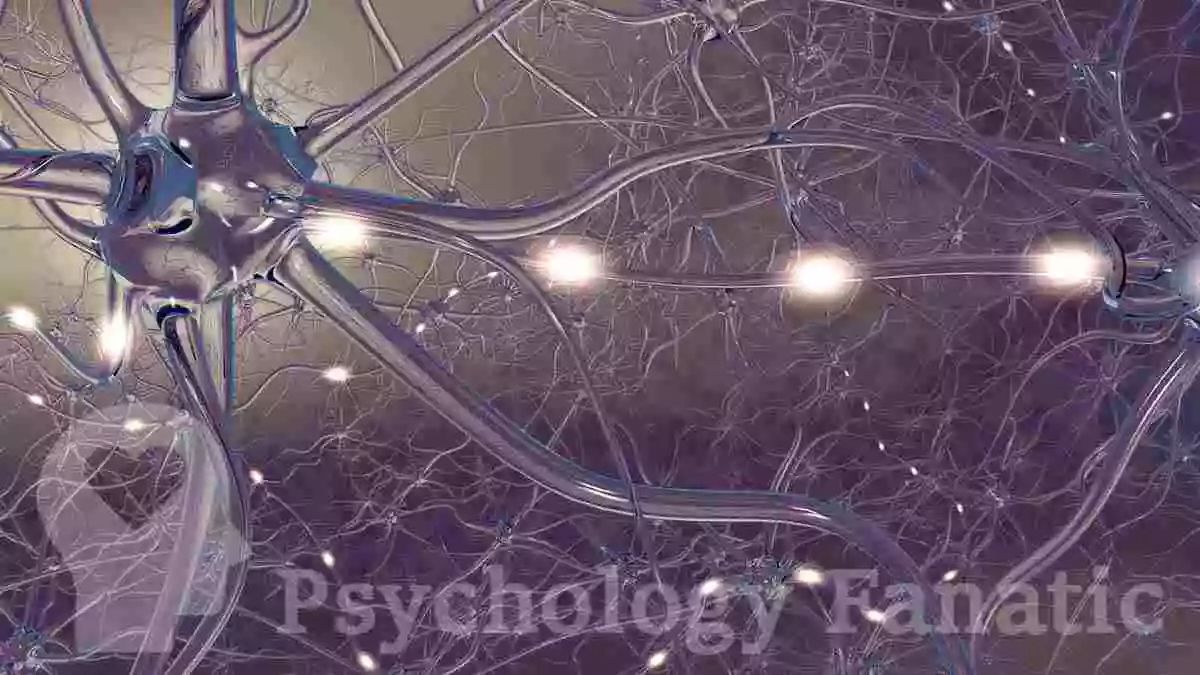 Read more: New Brain Connections
The content discusses brain plasticity, the brain’s ability to form new connections throughout life. It highlights how early experiences shape development, but emphasizes that learning and change continue into adulthood. The role of emotion in…
-
 Read more: The Need to Please
The content explores the psychological phenomenon of the need to please others, rooted in early experiences and social conditioning. It highlights the balance between self-preservation and serving others, the detrimental effects of excessive people-pleasing, and…
-
 Read more: Question Our Thoughts
Self-deception clouds our perceptions, creating a subjective reality that can distort our understanding of experiences. To avoid biases and erroneous conclusions, it’s essential to critically question our thoughts and beliefs. This mindfulness practice can lead…
-
 Read more: Embracing Our Inner Child
The concept of the inner child highlights the importance of embracing our childhood emotions and experiences to navigate adult challenges. By nurturing this inner self, individuals can find joy, alleviate stress, and foster self-compassion. Acknowledging…
-
 Read more: Cognitive Dissonance
Cognitive dissonance is the discomfort from conflicting beliefs or behaviors. Leon Festinger’s theory suggests it motivates us to seek harmony, leading to diverse social and personal impacts. Strategies to resolve it include aligning beliefs with…
-
 Read more: Personal Preferences
Personal preferences significantly shape our identities and influence decision-making in various aspects of life. These preferences stem from a complex interplay of genetic, environmental, cognitive, and emotional factors. They play a crucial role in relational…