
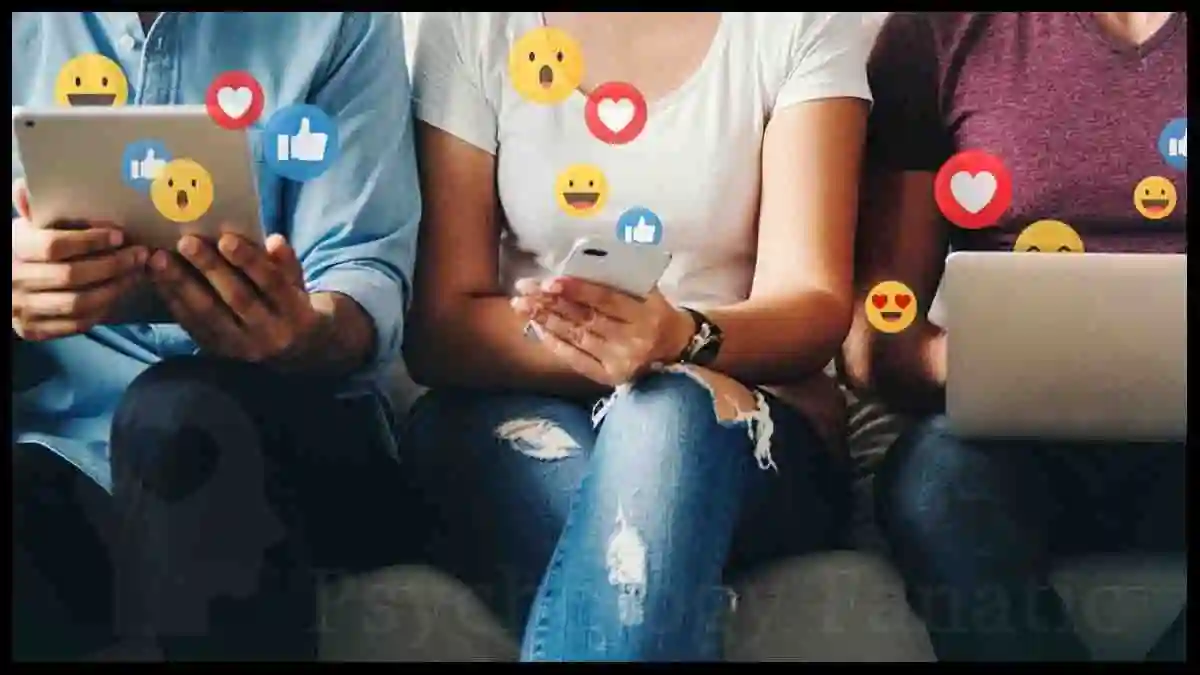
The Paradox of Social Media: Emotional Investment and its Psychological Toll
Social media platforms, designed to foster connection, can paradoxically become breeding grounds for intense emotional investment. Users can become deeply entwined in their online personas, seeking validation through likes, comments, and follower counts. This pursuit of external approval can lead to a constant need for attention, a fear of missing out (FOMO), and an unhealthy dependence on social media for self-worth. The curated perfection often displayed on these platforms can create unrealistic expectations and foster feelings of inadequacy and social comparison, leading users to constantly strive for a perceived ideal self, often at the expense of their own genuine well-being.
This emotional investment can have significant psychological costs. The constant pursuit of validation can fuel anxiety, low self-esteem, and even depression. Social media can become a breeding ground for social comparison, leading users to constantly compare themselves to the seemingly perfect lives of others, often resulting in feelings of envy, inadequacy, and low self-worth. Moreover, the fear of missing out can create a constant sense of urgency and pressure, leaving users feeling overwhelmed and constantly connected, even when they desire to disconnect.
This hyper-connected environment can also exacerbate existing mental health challenges. Individuals struggling with social anxiety, body image issues, or low self-esteem may find their struggles amplified by the constant exposure to idealized images and the pressure to maintain a certain online persona. The curated reality of social media can create a distorted perception of reality, leading to feelings of isolation, loneliness, and a sense of disconnection from the real world.
Key Definition:
Emotional investment refers to the degree of personal involvement and emotional energy an individual dedicates to something. It’s about how much someone cares about the outcome or success of a particular endeavor, relationship, or experience.
Understanding the Consequences of Emotional Overinvestment in the Digital Age
In the contemporary digital age, social media has become an omnipresent force, shaping the way we communicate, interact, and perceive the world around us. While these platforms offer numerous benefits, such as connecting people across the globe and providing a space for sharing ideas, they also come with significant drawbacks. However, the impact of social media on wellness is not always sunny. Research shows that more time spent on the internet correlates positively with “negative emotions and body dissatisfaction, stress, social overload, lower self-esteem, loneliness, and depression” (Lajunen et al., 2023).
Like most activities in life, time spent in social media groups must be balanced with other activities or it begins to diminish an individual’s overall wellness. We are complex beings and we need complex environments with a variety of experiences. The more time spent on social media, the more emotionally invested the individual becomes on the digital platform to provide fundamental human connections necessary for wellness. However, beneficial relationships require more work than the typical social media connection.
Technology allows for volume, where intimate close real life relationships have greater chance of developing into quality connections.
The high emotional investment that many users place in their social media interactions is concerning. They seek the benefits of quality relationships through volume. This phenomenon can lead to a range of negative consequences, affecting mental health, real life relationships, and overall well-being.
The Allure of Social Media
Social media platforms are designed to be engaging, encouraging users to spend considerable amounts of time scrolling through feeds, liking posts, and sharing content. The allure lies in the instant gratification provided by likes, comments, and shares, which can create a sense of validation and belonging. However, this constant need for approval and recognition can quickly turn into an unhealthy emotional investment.
The Dopamine Effect
The gratification from social media interactions is often driven by the release of dopamine, a neurotransmitter associated with pleasure and reward. Just like a slot machine with an unpredictable schedule of reinforcement, social media with clicks and likes creates a behavioral addiction. Perhaps, the dopamine reward is because the association between social media interaction and our fundamental need to belong.
Each notification, like, or comment triggers a small dopamine spike, reinforcing the behavior and making users crave more. This cycle can lead to an addictive pattern, where individuals become increasingly emotionally invested in their online presence and interactions.
However, a couple dozen (or thousand) likes does little to fulfill our complex social needs. The interactions just provide a momentary rush followed by the emptiness that such transactions create. Current research suggests that dopamine is more about prediction than fulfillment. Neuroscientist Joseph LeDoux conducted research that found that “dopamine is thus more involved in anticipatory behaviors (looking for food or drink or a sexual partner) than in consummatory responses (eating, drinking, having sex)” (LeDoux, 2003).
Basically, online activity sparks a flow of dopamine because of an expectations of fulfillment (need for belongingness), but often leaves that need unfulfilled, leaving the hopeful poster disappointed.
See Dopamine: A Psychological Perspective for more on this topic
The Dark Side of Emotional Overinvestment
While moderate engagement with social media can be harmless, and even fill some practical and social needs, high emotional investment can have detrimental effects on users’ mental health and well-being. Research suggests that young people who spend more than two hours a day on social media are more likely to report “poor mental health, including psychological distress” (Glazzard & Stones, 2020).
In the spring of 2023, United States Surgeon General released an advisory called Social Media and Youth Mental Health. In this advisory Dr. Vivek Murthy warns that there is growing evidence that social media is causing “harm to young people’s mental health” (Katella, 2024).
The underlying message is not that social media is responsible for mental illness. The culprit is problematic use of social media. The impact to mental health is evident in those who overuse and overinvest in social media to fulfill fundamental needs.
Researchers Apriana Rahmawati, Dona Muji Fitriana, and Risna Nur Pradany explain:
“Problematic social media use refers to being preoccupied with social media, having a strong motivation to use social media and spending an excessive amount of time on social media leading to impairments in their social, personal and/or professional life, as well as psychological health and well-being. The excessive use of technological devices and apprehensive concern can trigger stress because of losing the ability to control their mobile activities and being unable to limit the incoming communications. Excessive social media use is linked with the distraction and alleviation of psychological suffering, mental exhaustion and attention deficiency” (Rahmawati et al., 2020).
Pressure to Conform
Social media platforms are meticulously designed to curate an idealized version of reality. Users are constantly bombarded with carefully crafted images and videos showcasing seemingly perfect lives – glamorous vacations, picture-perfect families, and effortlessly successful careers. This curated content creates a powerful pressure to conform, subtly suggesting that happiness and fulfillment are contingent upon achieving a specific set of external markers.
This pressure manifests in various ways. Individuals may feel compelled to present a flawless online persona, meticulously editing photos, crafting witty captions, and strategically curating their online presence to project an image of success and happiness. This constant need for validation can lead to anxiety, low self-esteem, and a distorted perception of reality. Furthermore, social media algorithms often prioritize content that elicits engagement, such as shocking or controversial posts. This can contribute to the spread of harmful stereotypes and reinforce existing biases, subtly pressuring individuals to conform to specific ideologies and behaviors.
In conclusion, the curated nature of social media, coupled with the constant pressure to present a perfect image, creates a powerful force for conformity. This can have a significant impact on individual well-being, leading to feelings of inadequacy, social comparison, and a distorted perception of reality. The social media experience often leads to elevated stress levels and significant challenges to self-esteem challenges (Sim & Wong, 2023).
Increased Anxiety and Depression
Numerous studies have linked excessive social media use with higher levels of anxiety and depression. When individuals invest too much emotionally in their online persona, they may constantly compare themselves to others, leading to feelings of inadequacy and low self-esteem. The curated nature of social media, where users often present an idealized version of their lives, exacerbates this issue, making it difficult for others to live up to these unrealistic standards.
See Anxiety and Depression for more on these topics
The Fear of Missing Out (FOMO)
Fear of Missing Out (FOMO) is a pervasive apprehension that others might be having rewarding experiences from which one is absent. Social media exacerbates this anxiety by constantly presenting curated, idealized versions of other people’s lives. Users are bombarded with images of seemingly perfect vacations, glamorous parties, and successful careers, creating a constant sense of inadequacy and the belief that they are missing out on something exciting. This constant comparison can lead to feelings of envy, resentment, and a distorted perception of reality.
FOMO can have detrimental effects on mental and emotional well-being. It can trigger anxiety, depression, and low self-esteem. The constant urge to stay connected and “keep up” can lead to sleep disturbances, increased stress levels, and a decline in real-life social interactions. Individuals may prioritize online experiences over genuine human connection, neglecting their own needs and the relationships that truly matter. This constant pursuit of external validation and the fear of missing out can leave individuals feeling empty, disconnected, and ultimately, unhappy.
Sleep Disruption
Overuse and over-investment in social media can significantly interfere with sleep in several ways. Firstly, social media platforms can be highly addictive, with constant notifications and the pursuit of likes and comments creating a cycle of engagement that can extend late into the night. This can lead to delayed bedtimes and ultimately, insufficient sleep.
Secondly, the blue light emitted from electronic devices, including smartphones and tablets, can disrupt the body’s natural sleep-wake cycle. Blue light suppresses the production of melatonin, the hormone that regulates sleep-wake cycles. Using social media devices before bed can therefore make it difficult to fall asleep and can lead to poor sleep quality.
Finally, excessive social media use can disrupt circadian rhythms, the natural 24-hour cycles that regulate various bodily functions, including sleep. Irregular sleep schedules, often caused by late-night social media use, can throw off these rhythms, making it difficult to fall asleep and wake up at consistent times. This can lead to chronic sleep deprivation, which has numerous negative impacts on physical and mental health.
Strained Relationships
Excessive social media use can significantly strain personal relationships. Constant distractions from phones and notifications can disrupt quality time with loved ones, creating a sense of disengagement and neglect. When individuals are more focused on their online interactions, they may miss important cues in face-to-face conversations, leading to miscommunications and misunderstandings.
Furthermore, the idealized portrayals of relationships often seen on social media can create unrealistic expectations and foster feelings of inadequacy among individuals. Constant comparisons to seemingly perfect couples can erode self-esteem and lead to dissatisfaction with one’s own relationships. This can manifest as jealousy, resentment, and a decline in intimacy and trust within a partnership.
Finally, the constant availability and connectivity facilitated by social media can blur the boundaries between personal and professional life.
This can lead to increased stress and conflict within relationships, as individuals struggle to disconnect from work or social obligations even during personal time.
Benefits of Social Media
The research on social media is in its infancy. The use and types of social media are constantly changing. Research in this dynamic field is outdated before it is published. Another obstacle is that the social media giants wield tremendous influence on the population and politics. The current administration will cater to these big money donors.
However, all this aside, social media has some bright spots. While there are several frightening features to these mega operations, there are also many benefits. Wise use of social media can be beneficial (García-Manglano et al., 2024; Tudehope et al., 2024).
Lucy Tudehope and her colleagues explain:
“Social media allows individuals to share user-generated or curated content and to interact with others. It has become a central means to share their experiences and express their thoughts, opinions, and feelings towards issues. Access to such information and opinion has significant potential to influence the attitudes and health behaviours of social media users. It can perpetuate negative stereotypes and increase stigma, but it can also provide a platform for discussion and sharing of personal experiences potentially helping to reduce stigma and in turn, facilitate help seeking behavior” (Tudehope et al., 2024).
Strategies to Mitigate the Negative Impact
While the negative consequences of high emotional investment in social media are concerning, there are steps that individuals can take to reduce their emotional reliance on these platforms and improve their overall well-being.
Setting Boundaries
The benefits provided by social media use decreases as the length of time spent on it increases. Keeping social media time to under two hours a day is essential to wellness. This is difficult because many use social media periodically (every few minutes) throughout the day. This constant flow of social media influence is detrimental. These quick checks, likes, and shares are the suspected maladaptive use that leads to the strain on mental health.
One of the most effective strategies is to set clear boundaries for social media use. Boundaries help establish set times for using social media. Because checking social media accounts is largely habitual, boundaries also require structure, such as removing easy access icons from your smartphone.
Boundaries should include limiting the amount of time spent on these platforms each day, avoiding social media use during certain times (such as before bed), and designating specific times for checking notifications. By setting these boundaries, individuals can regain control over their social media habits and reduce the risk of emotional overinvestment.
Practicing Mindfulness
We operate in automatic mode most of the time. We behave without thought. Social media use is a patterned behavior that happens so naturally that we don’t have cognitive space to prevent checking our phone every few minutes. This is especially true if you set your phone up with notifications. Turn off the notification, build in structure to break the habit and mindfully observe your bodily responses to limiting access to social media.
Mindfulness practices, such as meditation and deep breathing exercises, can help individuals become more aware of their emotional responses to social media interactions. By developing a mindful approach, users can better manage their reactions. A few mindful breaths may relieve the anxiety of not immediately knowing what was posted on social media during the last five minutes.
See Psychology of Mindfulness for more on this topic
Fostering Real-life Connections
Prioritizing face-to-face interactions and building strong, supportive relationships in the real world can help mitigate the negative impact of high emotional investment in social media. Engaging in activities that promote genuine connections, such as joining clubs, volunteering, or spending time with loved ones, can provide a sense of fulfillment and belonging that is not reliant on online validation.
T. Franklin Murphy wrote that we are beginning to see “new emergent behaviors arising from the complex systems of social networks” (Murphy, 2019). Unfortunately, many of these social media connections differ in depth and intimacy from the connection we experience in real life.
Robert J. Waldinger and Marc Schulz current care keepers of the Harvard Longitude study wrote:
“Good relationships are significant enough that if we had to take all eighty-four years of the Harvard Study and boil it down to a single principle for living, one life investment that is supported by similar findings across a wide variety of other studies, it would be this: Good relationships keep us healthier and happier. Period. So if you’re going to make that one choice, that single decision that could best ensure your own health and happiness, science tells us that your choice should be to cultivate warm relationships. Of all kinds” (Waldinger & Schulz, 2023).
See Human Connections for more on this topic
Curating a Positive Online Environment
Individuals can also take steps to create a more positive and supportive online environment. This can include unfollowing or muting accounts that trigger negative emotions, following accounts that promote positivity and inspiration, and engaging in meaningful and respectful interactions. By curating their social media feeds, users can reduce exposure to content that may contribute to feelings of inadequacy and anxiety.
A Few Words by Psychology Fanatic
In an era where social media serves as both a bridge and a barrier, understanding the emotional investment we place in these platforms is more crucial than ever. As discussed throughout this article, the paradox of social media lies in its ability to foster connections while simultaneously breeding feelings of inadequacy and anxiety. The allure of likes and validation can create a cycle of dependency that detracts from our overall well-being. By recognizing the psychological toll that excessive engagement can take, we open ourselves up to healthier interactions—both online and offline.
To reclaim our emotional health, it is vital to implement strategies such as setting boundaries, practicing mindfulness, and fostering genuine relationships beyond screens. These steps not only mitigate the risks associated with high emotional investment but also promote authentic connections that enrich our lives. Ultimately, striking a balance between our digital engagements and real-world interactions empowers us to navigate the complexities of modern communication without compromising our self-worth or happiness.
As we embrace both research-backed insights and personal reflections on emotional well-being, let us commit to creating spaces—both virtual and physical—that nurture joy, connection, and resilience in an increasingly interconnected world.
Last Update: April 23, 2026
Associated Concepts
- Shallow Relationships: These relationships lack depth and emotional intimacy. These connections often revolve around surface-level interactions and superficial exchanges, rather than meaningful conversations or shared experiences.
- Convoy Theory: This theory refers to the idea that individuals are surrounded by a network of close and more distant relationships that form a “convoy” of social support throughout their lives.
- Social Support Theory: This theory posits that social relationships and support networks play a crucial role in an individual’s well-being, particularly during times of stress or adversity.
- Communicate Bond Belong Theory: This is an evolutionary and motivational explanation for the role of human communication in forming and maintaining social relationships. It asserts that all social interactions expend a finite amount of “social energy,” but only certain types of communication (often termed “striving behaviors” or “high-quality interactions”) effectively satiate the fundamental human need to belong.
- Sharenting: This refers to the practice of parents or caregivers sharing information about their children (underage) online, typically on social media platforms. This can include photos, videos, personal stories, and other updates about the child’s life.
- Ego Investment: This refers to the emotional attachment and identification an individual has with their own beliefs, opinions, abilities, or accomplishments. It involves the personal investment of one’s self-worth and identity in these aspects.
- Looking Glass Self Theory: This theory, also known as the Cooley’s Looking-Glass Self, is a sociological concept that suggests that a person’s self-concept is primarily formed through their perception of how others view them.
- Self-Disclosure: The act of revealing personal information to others, which is a key aspect of developing intimacy in relationships. Motivation to self-disclose is influenced by perceived risks and rewards.
References:
García-Manglano, J.; Fernández, A.; Serrano, C.; López-Madrigal, C.; Fernández-Duval, G.; de la Rosa Fernández-Pacheco, P.; Sádaba, C. (2024). Social media and mental health: The role of interpersonal relationships and social media use motivations, in a nationally representative, longitudinal sample of Spanish emerging adults. Journal of Social and Personal Relationships, 41(5), 1157-1182. DOI: 10.1177/02654075241230248
(Return to Main Text)
Glazzard, Jonathan; Stones, Samuel (2020). Social Media and Young People’s Mental Health. Selected Topics in Child and Adolescent Mental Health. DOI: 10.5772/intechopen.77757
(Return to Main Text)
Katella, Kathy (2024). How Social Media Affects Your Teen’s Mental Health: A Parent’s Guide. Yale Medicine. Published: 6-17-2024; Accessed: 2-11-2025. Website: https://www.hhs.gov/sites/default/files/sg-youth-mental-health-social-media-advisory.pdf
(Return to Main Text)
Lajunen, T.; Sofie Olsen Haug, I. (2023). The Relationships Between Instagram Use, Emotional and Behavioural Responses, Self-Esteem, Emotional Investment, and Social Comparison. SAGE Open, 13(3), 1. DOI: 10.1177/21582440231193916
(Return to Main Text)
LeDoux, Joseph (2003). Synaptic Self: How Our Brains Become Who We Are. Penguin Books. ISBN-10: 0142001783(Return to Main Text)
Murphy, T. Franklin (2019). The Pitfalls of Shallow Connections in the Digital Age. Psychology Fanatic. Published: 1-27-2019; Accessed: 2-10-2025. Website: https://psychologyfanatic.com/shallow-connections/
(Return to Main Text)
Rahmawati, A.; Fitriana, D.; Pradany, R. (2020). A Systematic Review of Excessive Social Media Use: Has It Really Affected Our Mental Health?. Jurnal Ners. DOI: 10.20473/jn.v14i3.17061
(Return to Main Text)
Sim, Amelia; Wong, Mee Lian (2023). Evaluating youth engagement on the CHAT social media mental health campaign. Health Literacy and Communication Open. DOI: 10.1080/28355245.2023.2274598
(Return to Main Text)
Tudehope, L.; Harris, N.; Vorage, L.; Sofija, E. (2024). What methods are used to examine representation of mental ill-health on social media? A systematic review. BMC Psychology, 12(1). DOI: 10.1186/s40359-024-01603-1
(Return to Main Text)
Waldinger, Robert J.; Schulz. Marc (2023). The Good Life: Lessons from the World’s Longest Scientific Study of Happiness. Simon & Schuster. ISBN-10: 1982166703
(Return to Main Text)