
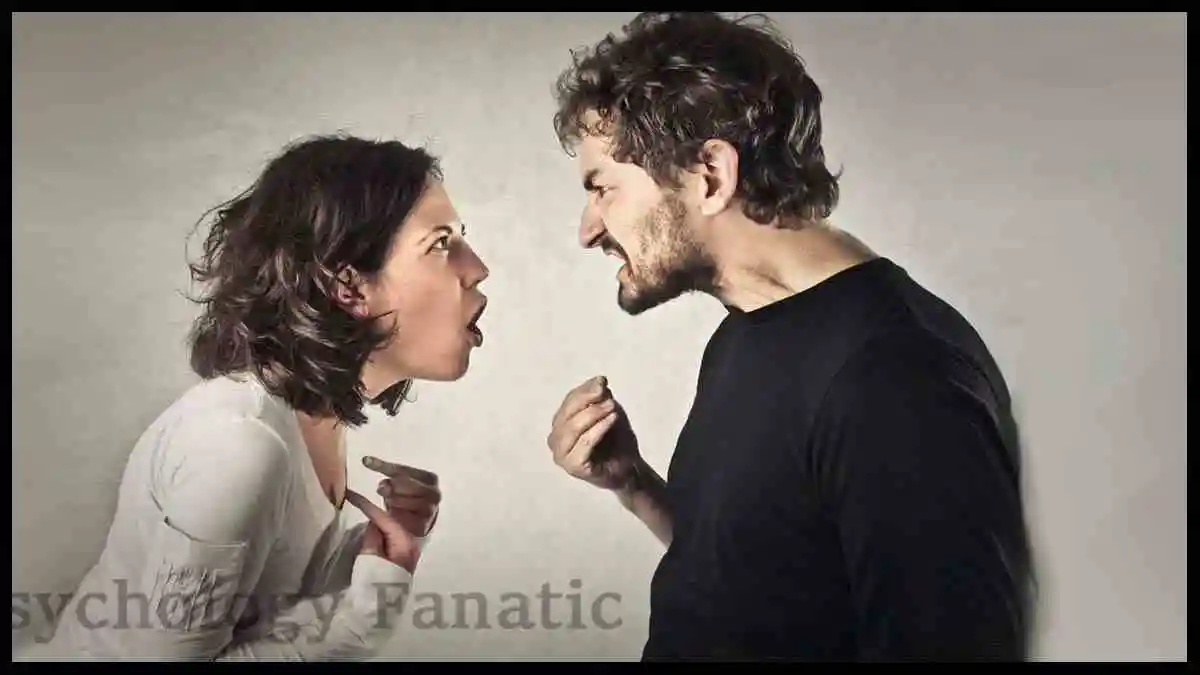
How Name Calling Damages Emotional Communication in Relationships
Relationship patterns kill us—or save us. What are your patterns? Habitual interactions create the fabric of our relationships. We develop these healthy and unhealthy patterns, choreographing the swings, dips and crossovers of intimacy over time. Habits subtly invade every encounter. We don’t recognize them—they appear normal. We act and react without thought. Complex factors combine, initiating a learning process, changing brain connections that draw the blueprints of behavior. In relationships, these complex motivators of behavior multiply by two, as individuals combine their learning and reactions to those of their lover. A nasty intruder to relationship communication patterns is when heated discussions devolve to include name calling.
By recognizing the triggers setting these harmful patterns into action, we can be warned of upcoming troubles before emotions drive us down unforgiving roads of name calling and character labeling. We can’t go down this path to the familiar dead-ends of hurt and disconnection. With forewarning, we can avoid a damaging chain of events. Strong emotions interfere with rational thought, pulling thoughts from helpful introspection and into fury. If we wait until the emotions arrive, the feelings overwhelm and sweep us into the damaging cycles, requiring renewed promises and additional repairing of hurt.
Key Definition:
Name-calling refers to the use of derogatory, insulting, or offensive language directed at another person, especially during arguments or emotionally charged situations. It’s a form of verbal abuse that can have significant negative impacts on relationships and individual well-being.
Hurtful Name Calling Remain in Our Memories
Repair and promises don’t wipe clear memories. The past remains, haunting the future. New disagreement takes on the energy from the unsettled arguments, enraging the soul before different options can be explored. Stored emotions charge each new disagreement with unsolvable force. The growing resentment—if ignored—taints all communications. Until we unearth the hidden emotions, mundane disappointments will ignite fierce and painful conflict. The relationship is doomed.
Either partner can struggle with emotions, lacking tools to suppress overwhelm, they explode, run or shutdown. Studies indicate that men are more likely to be emotionally overwhelmed than women. But whether it is the man, or the woman doesn’t matter; once emotionally overloaded, the course of discussions quickly change; what started as simple disagreements turns to bitter character assassinations, name calling, and emotional shut-down.
In psychology, we refer to these rushes of emotion that overwhelm as emotional flooding.
These downward conversational spirals signal the breakdown of the relationship. When we leave these hurtful patterns unattended, they cause irreparable damage to relationship and damaging the psyche of everyone.
Biological Reaction to Threatening Communication
Often, name calling is part of a biological reaction to extreme stress. Our important relationships are foundational to a basic sense of security. Disagreements shake this security, arousing protective biological systems. Daniel Goleman, in his best selling book Emotional Intelligence, wrote:
“People who are flooded cannot hear without distortion or respond with clear-headedness; they find it hard to organize their thinking, and they fall back on primitive reactions. They just want things to stop, or want to run or, sometimes, to strike back. Flooding is a self-perpetuating emotional hijacking” (Goleman, 2005).
The impairment is biological. John M. Gottman, Ph.D., explains:
“When our heart rates become high we also start secreting adrenaline, and we can’t process information very well” (Gottman, 2011).
In these heightened states of arousal, instead of intelligent goal related discussions, individuals are more likely to slip into protective fight or flight reactions. Claws come out and they strike, using language as their weapon in a barrage of name-calling adjectives, instead of practical problem solving solutions.
Mindfulness of Emotional Arousal
We must be sensitive to approaching emotions, battening down the hatches, and securing vulnerable and delicate valuables. When emotions run hot, conversations become destructive. Lost in emotion, ego protection is prioritized over problem resolution, we lose footing and slip into destructive patterns; little is solved in emotionally charged confrontations, further discussions are futile. Pause, step away—the problems can wait; continuing in emotionally charged states leads to foolish and hurtful words that sting, leaving hurts that continue into future negotiations.
Even when the moment has passed, and the relationship appears to have recovered, the hurtful words still scar the soul, waiting for the next confrontation to leap to action and remind of the threatening nature of conflict.
Partners don’t have to agree. Some disagreements stem from fundamental differences that never can be resolved. The autonomous differences can remain without diminishing intimacy. But these differences will resurface, requiring skilled negotiations.
If we ignore fundamental differences, believing them resolved with a single discussion, then their return continual return frustrates. By pretending we converted our partner with shrewd and crafty genius, we miss the point of individualism. When unresolved issues continue to intrude, we express anger—our partner’s failure to change challenges our wisdom. The unresolved and unaccepted differences interrupt the connection and spoil the relationship.
”The most special relationships, in my experience, are based on a combination of trust and mutual respect.”
How We Respond to Differences Matters
The issues aren’t the problem; ignored unresolved issues are the trouble. A better way, instead of fighting for rightness, is showing our partner that we respect the differences by willingly struggling to see their point of view, and then deferring right and wrong judgment. When partners hear and respect each other, they can transcend differences. In psychology, we refer to this as emotional validation. Dividing issues often spark insecurity; but with respect, we promote security even while disagreeing.
When we make a partner’s dignity paramount, showing concern for their emotions, we can disagree with maturity, without conversations deteriorating into protective and damaging attacks.
“Our repertoire of words for calling people names is often larger than our vocabulary of words to clearly describe our emotional states.”
Overgeneralized Statements
When simple issues morph into overgeneralized statements and character assassination, the words cut, hurting feelings and resolving nothing. The harsh encounter imprints painful memories, storing them for future discussions. A simple discussion over unwashed dishes doesn’t degenerate into stabbing comments of character, “You’re lazy; you never do anything around the house.” Perhaps, there are work equity issues we should address, but we can’t solve this normal complication through heated and hurtful comments.
Aaron Beck, in his classic book Love is Never Enough, explains that as relationships progress we often become disillusioned with our partners, focusing on negatives. He warns that as disillusionment progresses, “single episodes of disappointment seem sufficient to justify attaching a negative label to the partner” (Beck, 1989, p. 51).
Adulterated interpretations slapped with an all-inclusive label such as “you’re lazy” does not balance the unfairness. The accused partner scurries away feeling like an innocent victim, or vehemently attacks with impunity. This path doesn’t resolve the original issue, the dishes remain in the sink.
Arguing in Healthy Relationships
Partners in strong relationships do not agree on everything. they still occasionally argue. It is the nature of two autonomous beings being together. However, in these relationships arguments are different. They don’t attack the individuals, staying on the subject of the disagreement.
David Richo wrote:
“In a committed relationship we finally let go of our ego’s formidable insistence on being right, on getting our way, on competing and winning. We may still have arguments, but they do not last as long, they end in resolution, and they involve less replay of the past. We take the content of the argument as information rather than as grist for the mill of resentment” (Richo, 2002).
A primary rule in conflict resolution is refrain from name calling, labelling a single act as irrefutable evidence of deficiency. People are complex. One failure is just that—a single lapse. Beck expands on this, “people are not split into absolute opposites. If they are not totally responsible, it does not follow that they are irresponsible…People in general are neither all black nor all white, but varying blends of gray” (Becks, 1989, p. 52).
Associated Concepts
- Emotional Flooding: This refers to a state in which a person becomes overwhelmed by intense emotions that seem to take over their entire being. It is characterized by a sudden surge of overwhelming emotions that can be difficult to control or manage.
- Fight or Flight Response: Emotional flooding can trigger this physiological reaction to perceived threats, leading to increased heart rate, adrenaline rush, and heightened alertness.
- Secure Base: This refers to the safety net of a secure relationship. A secure base provides a sense of safety and comfort for the child, allowing them to explore and interact with the world around them confidently.
- Emotional Safety: This concept refers to the feeling of being safe, supported, and accepted within a relationship or environment that serves as a stable foundation for exploration and growth.
- Executive Functions: During emotional flooding, the functioning of the prefrontal cortex, which is responsible for executive functions like reasoning and problem-solving, is diminished.
- Emotional Hijacking: This concept coined by psychologist Daniel Goleman refers to an intense emotional response that is triggered suddenly and takes over a person’s thoughts and actions. It is characterized by a rapid and overwhelming emotional reaction that bypasses rational thinking and can lead to impulsive behavior or irrational decisions.
- Attachment Theory: It posits that early relationships with caregivers shape our emotional regulation systems. Insecure attachments may predispose individuals to more frequent or intense emotional hijacks.
A Few Words by Psychology Fanatic
Break the destructive chain of hurtful arguments . We must break the cycle. When partners push our hot buttons, we can intervene with new helpful patterns. If circumstances surprise and extreme emotions overwhelm, wait until flames cool, reaffirm love, share your feelings and then re-engage in the never-ending work of problem solving, and by damn, stop being lazy and do those unwashed dishes, please!
Last updated: December 8, 2025
References:
Beck, Aaron (1989). Love Is Never Enough: How Couples Can Overcome Misunderstandings, Resolve Conflicts, and Solve Relationship Problems Through Cognitive Therapy. Harper Perennial; Reprint edition. ISBN-10: 0060916044
(Return to Article)
Goleman, Daniel (2005). Emotional Intelligence: Why It Can Matter More Than IQ. Bantam Books. ISBN-10: 055338371X
(Return to Article)
Gottman, John M. (2011). The Science of Trust: Emotional Attunement for Couples. W. W. Norton & Company; Illustrated edition. ISBN-10: 0393707407; APA Record: 2011-06848-000
(Return to Article)
Richo, David (2002) How to Be an Adult in Relationships: The Five Keys to Mindful Loving. Shambhala; 1 edition. ISBN-10: 1611809541
(Return to Article)