
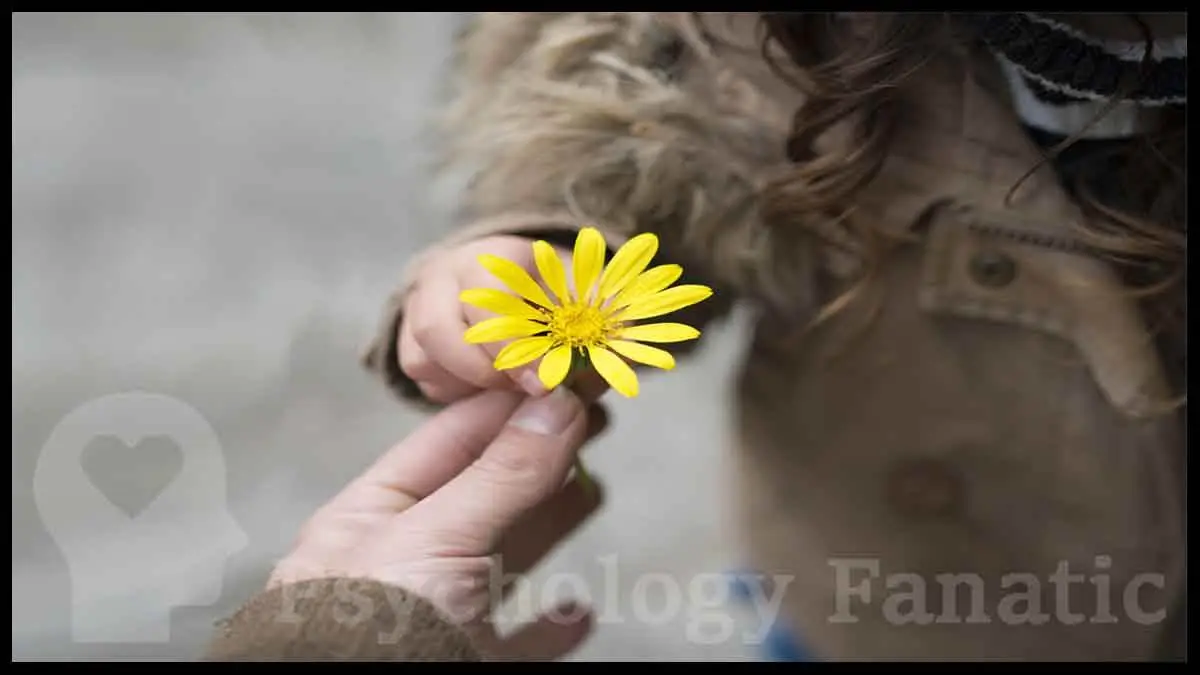
The Kindness Effect: How Prosocial Behavior Shapes Our World
In a world that often feels divided, the power of kindness and altruism emerges as a beacon of hope. Imagine walking down the street and witnessing an act of genuine compassion—a stranger helping another in need, a child sharing their favorite toy, or a community rallying together in times of crisis. These prosocial behaviors are not just fleeting moments; they are the threads that weave the fabric of our society, fostering connection and understanding among individuals. As we delve into the fascinating realm of prosocial behavior, we uncover the motivations behind these selfless acts and explore how they shape our interpersonal relationships and communities.
But what drives us to help others? Is it instinctual, learned through observation, or rooted in societal norms? The science behind prosocial behaviors is rich with insights from psychology and evolutionary theory, revealing complex dynamics that influence our choices every day. Understanding these motives can empower us to cultivate empathy within ourselves and inspire those around us. Join us on this enlightening journey as we dissect the nuances of altruism—discovering not only why we do good but also how nurturing kindness can lead to profound transformations in our lives and beyond.
Key Definition:
Prosocial behavior in the context of psychology refers to voluntary actions intended to benefit others or society as a whole. This can include acts of kindness, cooperation, sharing, and helping, often without any expectation of rewards or benefits in return. Prosocial behavior is an important area of study in psychology as it contributes to the well-being of individuals, groups, and communities, and plays a crucial role in the development of positive social relationships and overall societal harmony.
Definition and Examples
Prosocial behaviors, also referred to as altruistic behaviors, are actions that are intended to benefit others. In the field of psychology, the study of prosocial behaviors delves into understanding the underlying motivations, influences, and outcomes of such actions. Altruistic behaviors attract the interest of philosophers, psychologists, and evolutionary scientists because these behaviors appear on the surface to conflict with our individual drive for survival. This conflict presents a fascinating paradox that has intrigued researchers for decades.
Prosocial behaviors are a crucial aspect of human interaction and societal well-being. They encompass a wide spectrum of actions, from the simple yet profound acts of kindness and cooperation to the more intricate and profound demonstrations of altruism and empathy.
Examples of these impactful prosocial behaviors include:
- helping individuals in need,
- sharing resources or knowledge,
- comforting those in distress,
- cooperating with others to achieve common goals,
- and actively volunteering time and skills for the betterment of communities and causes.
These behaviors not only contribute to the immediate well-being of those involved but also play a pivotal role in fostering a sense of unity, understanding, and support within societies. Markedly, embracing and promoting altruistic behaviors can significantly enhance the fabric of our interpersonal relationships. Prosocial behaviors also strengthen our communities, and the broader world at large.
Theories and Motivations
The motivations behind prosocial behaviors are multifaceted, encompassing elements of empathy, altruism, social norms, and personal values. Psychologists seek to uncover the intricate interplay of these factors in shaping human behavior, shedding light on the complex tapestry of motivations that drive individuals to act for the benefit of others.
Furthermore, the study of prosocial behaviors extends beyond the individual level, encompassing societal, cultural, and evolutionary perspectives. Evolutionary scientists explore how prosocial behaviors have influenced the development and cohesion of social groups throughout human history. In addition, community oriented behaviors are the foundation of collective survival strategies.
In light of these intricate dynamics, it becomes evident that the exploration of prosocial behaviors transcends a mere examination of individual actions. It unveils a rich tapestry of interconnected psychological, sociological, and biological influences that converge to shape the way we relate to others. Markedly, these behaviors contribute to the well-being of our communities. This multidimensional perspective enriches our understanding of human nature and the intricate web of factors that underlie our behaviors.
Theories that Explain Why We Adopt Prosocial Behaviors
Researchers in psychology have proposed various theories to explain the motivations behind prosocial behaviors. These theories include social exchange theory, empathy-altruism hypothesis, and evolutionary psychology perspectives. Social norms, personal values, and empathy are also significant motivators for engaging in prosocial behaviors.
Prosocial behaviors, which are actions intended to benefit others, can be explained by several psychological theories:
- Evolutionary Psychology: Theories like kin-selection theory and inclusive fitness suggest that prosocial behaviors are passed down because they increase the survival chances of our genes, whether through direct or indirect reproduction.
- Social Exchange Theory: This theory posits that prosocial behavior is a result of a cost-benefit analysis where individuals help others with the expectation of future reciprocation or benefits.
- Social Learning Theory: According to this theory, prosocial behaviors are learned through observing and imitating others, especially when these behaviors are seen to be rewarded.
- Affection Exchange Theory: This theory posits that affectionate behaviors have evolved as a necessary aspect of human development, contributing to relational bonds and individual well-being.
- Empathy-Altruism Hypothesis: This suggests that empathic concern for others can lead to altruistic behaviors, where the primary goal is to help someone else, even if doing so comes at a personal cost (Paulus et al., 2024).
- Reciprocity Norm: The expectation that people will respond favorably to each other by returning benefits for benefits, which fosters and maintains cooperative relationships.
- Social Responsibility Norm: This norm suggests that people help others with the belief that it is a societal duty to assist those in need, especially if they cannot help themselves.
These theories provide different perspectives on why humans might be inclined to act in ways that benefit others, highlighting the complexity and multifaceted nature of altruistic behaviors.
Development and Influences
The development of prosocial behaviors is of particular interest in psychology. Researchers are particularly interested in how these behaviors manifest across different stages of life. Family, culture, education, and societal influences play crucial roles in shaping an individual’s inclination towards prosocial actions. Evan Staub explains that “certain experiences children have in their interaction with others shape their dispositions for antagonism or for caring and connection” (Staub, 1992).
Markus Paulus and his colleagues found that children as young as 18 months already begin to develop empathic concern. Furthermore, the empathic concern is more pronounced in children with more sensitivity (Paulus et al., 2024).
Philip Zimbardo wrote that most models assume that “most people adopt moral standards because of undergoing normal socialization processes during their upbringing. Those standards act as guides for prosocial behavior and deterrents of antisocial behavior as defined by their family and social community. Over time, these external moral standards imposed by parents, teachers, and other authorities become internalized as codes of personal conduct” (Zimbardo, 2007).
Possible Factors Influencing Development of Prosocial Behaviors
Here’s a brief overview of how these behaviors typically emerge and grow:
- Innate Tendencies: Research suggests that even very young babies display prosocial behavior, such as responding to others in distress, which may be driven by an innate desire to imitate rather than a conscious decision based on empathy.
- Observational Learning: As children grow, they learn prosocial behaviors by observing the adults around them. When children see adults sharing, helping, or expressing kindness, they are likely to imitate these actions (Paulus et al., 2024).
- Reinforcement: Positive feedback from parents and caregivers, like praise for sharing or taking turns, encourages children to continue practicing these behaviors as they age.
- Moral Development: As children’s cognitive abilities develop, they become better able to understand others’ perspectives and feelings, which can lead to more sophisticated forms of prosocial behavior.
- Social and Emotional Skills: The development of social and emotional skills, such as empathy and emotional regulation, also plays a crucial role in the emergence of prosocial behavior. Children who can empathize with others and manage their own emotions are more likely to engage in actions that benefit others.
- Cultural and Environmental Influences: Cultural norms, societal expectations, and specific environments can shape the development of prosocial behaviors. For example, children raised in cooperative communities may learn the importance of helping others from a young age.
Encouraging prosocial behavior in children is important for their social development. Children exposed to prosocial behaviors early are more likely to develop a sense of community and cooperation. Accordingly, these traits may benefit them throughout their lives.
Self-Regulation and Prosocial Behaviors
Everyone encounters the primary dilemma in life. We must choose between self and others. This is not a single choice but a decision that shades almost every other choices in life. Our natural inclination is often to serve personal immediate needs. However, over time, many learn that prosocial behaviors have a greater payback. So, we employ some self-discipline, postpone present pleasure and engage in altruistic behaviors.
Isabelle M Bauer and Roy F. Baumeister wrote that:
“Effective self-regulation is also necessary to restrain selfish wishes that could threaten group interests, to curb hostile and aggressive impulses that can undermine prosocial goals, and to overcome natural proclivities that are inherently self-interested for a greater collective good” (Baumeister & Bauer, 2017).
Impact and Benefits
The impact of prosocial behaviors extends beyond immediate helping or support. Several studies strongly suggest that engaging in altruistic behaviors contributes to increased well-being, stronger social connections, and a more cohesive society. Furthermore, research has linked altruistic behaviors to psychological and physical health benefits for the individuals involved.
Benefits of Prosocial Behaviors
Prosocial behaviors have several benefits for both the individual and the wider community. Here are some key benefits:
- Mood-Boosting Effects: Engaging in prosocial behaviors can lead to better moods and increased feelings of happiness.
- Social Support: Prosocial actions can strengthen social bonds and provide crucial support during difficult times.
- Stress Reduction: Helping others can mitigate the negative emotional effects of stress, serving as a coping mechanism.
- Improved Well-being: Research associates prosocial behaviors with greater psychological well-being and better social relationships.
- Physical Health: There is evidence that prosocial behavior can lead to better physical health and even greater longevity (Porges, 2009).
- Community Health: During events like the COVID-19 pandemic, communities with higher levels of prosociality showed more willingness to engage in protective behaviors, which were associated with lower mortality rates (Kubzansky et al., 2023).
These benefits highlight the importance of prosocial behaviors for individual well-being, health and overall resilience of communities.
Associated Concepts
- Social Skills: These refer to the abilities and behaviors that enable individuals to interact effectively with others in various social situations. These skills include communication, active listening, empathy, teamwork, conflict resolution, and the ability to understand and navigate social cues.
- Emotional Attunement: This practice involves understanding and responding to others’ emotions, fostering stronger relationships.
- Social Exchange Theory: According to this theory, individuals evaluate their relationships and interactions based on the perceived rewards and costs involved. The theory suggests that individuals seek to maximize rewards and minimize costs in their interactions with others.
- Interpersonal Theory: This theory focuses on the interactions, relationships, and communication between individuals. It explores how people’s behaviors, thoughts, and emotions are influenced by their interactions with others, as well as how these interactions shape their self-concept and identity.
- Interpersonal Style: This refers to the patterned behavioral ways (verbal and non-verbal) an individual interacts and communicates with others.
- Social Capital Theory:This Theory examines the value of social networks and relationships, emphasizing trust, cooperation, and collective well-being. It encompasses bonding, bridging, and linking social capital, leading to personal, economic, and community benefits.
- Open Communication: This practice is vital for nurturing healthy relationships, promoting trust, understanding, and intimacy. It involves honest expression and active listening, addressing conflicts constructively.
A Few Words by Psychology Fanatic
As we reflect on the profound impact of prosocial behaviors, it becomes clear that each act of kindness contributes to a larger tapestry of human connection. Just as we were captivated by the image of strangers helping one another and communities coming together, it is essential to recognize that these moments are not merely coincidental; they are manifestations of our shared humanity. By understanding the psychological underpinnings of altruism and empathy, we can actively participate in nurturing an environment where compassion thrives. The more we acknowledge and celebrate these behaviors, the more robust our societal bonds become.
In conclusion, let us reignite that initial spark of inspiration—the vision of a world united through acts of goodwill. As individuals committed to fostering positive change, every small gesture matters; whether it’s offering support to someone in need or promoting cooperation within our circles. By cultivating prosocial behaviors in ourselves and encouraging others to do the same, we pave the way for a brighter future filled with hope and resilience. Together, let’s transform those fleeting moments into lasting movements toward kindness—creating not just a harmonious society but also a legacy defined by love and mutual support for generations to come.
Last Update: March 7, 2026
References:
Baumeister, Roy F.; Bauer, Isabelle M. (2017). Self-Regulatory Strength. In: K. D. Vohs, & R. F. Baumeister (Eds.), Handbook of Self-Regulation: Third Edition: Research, Theory, and Applications. The Guilford Press; Third edition. ISBN-10: 1462533825; APA Record: 2010-24692-000
(Return to Main Text)
Kubzansky, L. D., Epel, E. S., & Davidson, R. J. (2023). Prosociality should be a public health priority. Nature human behaviour, 7(12), 2051–2053. DOI: 10.1038/s41562-023-01717-3.
(Return to Main Text)
Paulus, Markus; Becher, Tamara; Christner, Natalie; Kammermeier, Marina; Gniewosz, Burkhard; Pletti, Carolina (2024). When do children begin to care for others? The ontogenetic growth of empathic concern across the first two years of life. Cognitive Development, Volume 70. DOI: 10.1016/j.cogdev.2024.101439.
(Return to Main Text)
Porges, Steven W. (2009). Reciprocal Influences Between Body and Brain in the Perception and Expression of Affect A Polyvagal Perspective. In: Diana Fosha and Daniel J. Siegel (eds.), The Healing Power of Emotion: Affective Neuroscience, Development & Clinical Practice. W. W. Norton & Company; 1st edition. ISBN-10: 039370548X; APA Record: 2009-20446-000
(Return to Main Text)
Staub, Ervin (1992). The Roots of Evil: The Origins of Genocide and Other Group Violence. Cambridge University Press; Revised ed. edition. ISBN-10: 0521422140; DOI: 10.1207/s15327957pspr0303_2
(Return to Main Text)
Zimbardo, Philip (2008). The Lucifer Effect: Understanding How Good People Turn Evil. Random House; 1st edition. ISBN-10: 0812974441; APA Record: 2007-04177-000
(Return to Main Text)
Related Articles

Interpersonal Therapy (IPT)

Restoring Hope: The Power of Giving Back

Psychosocial Crisis
