
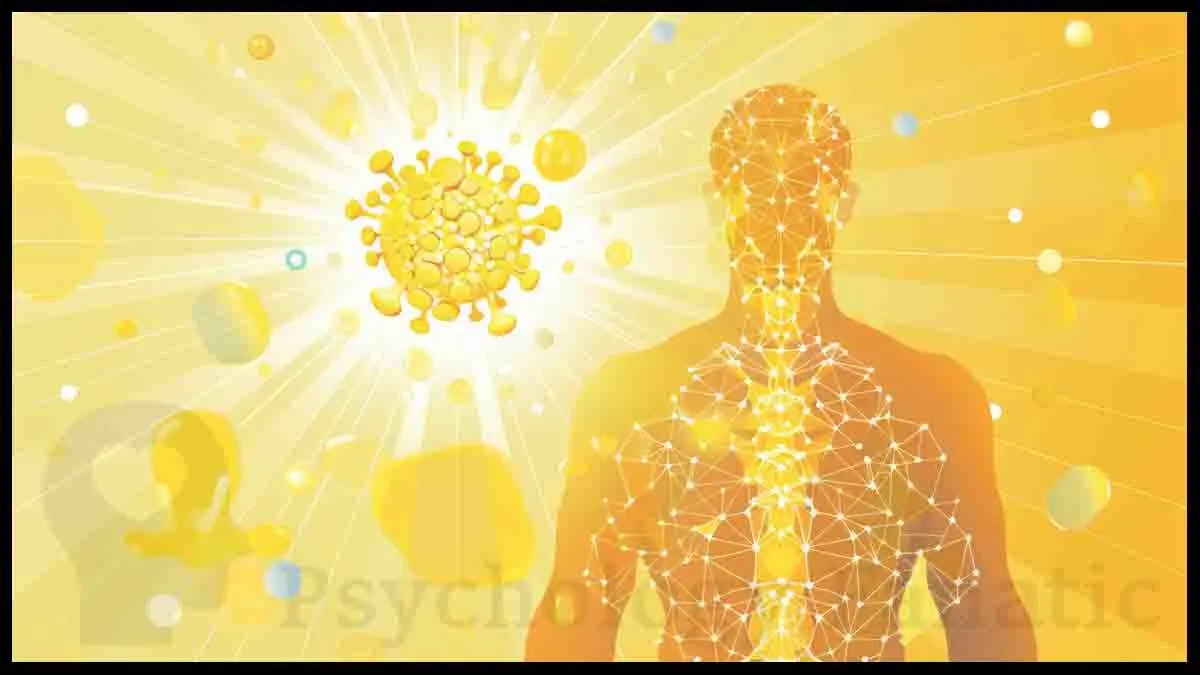
The Mind-Body Connection: A Deeper Dive into Psychoneuroimmunology
For centuries, philosophers and physicians have pondered the intricate relationship between the mind and body. In recent decades, a groundbreaking field of study known as Psychoneuroimmunology (PNI) has emerged, offering a scientific lens through which to explore this ancient connection. PNI delves into the fascinating interplay between psychological processes, neurological mechanisms, and immune function, challenging traditional notions of health and disease.
By investigating the bidirectional communication between the brain and the immune system, PNI has revealed a complex network of interactions that can significantly impact our overall well-being. From the impact of stress on susceptibility to illness to the role of positive emotions in promoting healing, PNI provides a comprehensive framework for understanding how our thoughts, feelings, and behaviors can influence our physical health.
Key Definition:
Psychoneuroimmunology, often referred to as PNI, is the study of the interaction between psychological processes, nervous system function, and the body’s immune system. This interdisciplinary field explores how these systems communicate and interact, and how mental and emotional factors can impact physical health and well-being. PNI has implications for understanding stress, anxiety, depression, and their effects on the immune system, as well as potential interventions to promote overall health.
The Foundations of Psychoneuroimmunology
The term “psychoneuroimmunology” was first coined in the 1970s as researchers began to investigate how emotional and cognitive factors could impact bodily functions. Robert Ader and Nicholas Cohen (1975) discovered through their research that “changes in immune function could be behaviorally conditioned, in a manner analogous to the classical conditioning studies of Pavlov and his canine subjects” (Tausk et al., 2008).
Gabor Maté, a Canadian physician, wrote:
“And life includes not only physical factors like diet, physical activity, and the environment, but also the internal milieu of thoughts and unconscious emotions that govern so much of our physiology, through the mechanisms of stress and the unity of the systems that modulate nerves, hormones, immunity, digestion, and cardiovascular function” (Maté, 2011).
PNI posits that our thoughts and emotions can affect our biological responses, particularly concerning stress and immunity. However, PNI research does not end there. It also found that the interaction between the brain and immune system are bi-directional (Fleshner & Laudenslager, 2016). This connection underscores a holistic approach to health—recognizing that mental well-being is integral to physical wellness.
Key Components of PNI
Psychological Factors
Psychoneuroimmunology (PNI) is an interdisciplinary field that studies the intricate connections between psychological factors, the nervous system, and the immune response. Psychological factors can significantly influence physiological changes in the body through several mechanisms.
Mechanisms influencing physiological changes in the body:
- Stress Response: When an individual experiences stress—whether acute or chronic—the body activates its “fight or flight” response. This involves the release of stress hormones like cortisol and adrenaline from the adrenal glands. Elevated levels of these hormones can lead to a range of physiological changes, including increased heart rate, heightened blood pressure, and alterations in immune function.
- Emotional States: Emotions such as anxiety, depression, and anger can trigger biological responses. For instance, prolonged feelings of sadness may result in immune suppression, making individuals more susceptible to illness. Conversely, positive emotions like joy and contentment have been associated with enhanced immune activity.
- Neurotransmitter Release: The brain communicates with various parts of the body through neurotransmitters—chemical messengers that transmit signals across synapses. These substances not only affect mood and cognition but also modulate bodily functions such as digestion and inflammation by interacting with immune cells.
- Behavioral Changes: Psychological states often influence behavior; for example, someone experiencing stress might neglect exercise or healthy eating habits while engaging in harmful behaviors like smoking or excessive drinking. Such lifestyle choices directly impact physical health by contributing to conditions like obesity or cardiovascular disease.
- Mind-Body Connection: Techniques such as meditation, yoga, and mindfulness have been shown to lower stress levels and enhance overall well-being by promoting relaxation responses in the body that reduce inflammation and improve immune function.
- Placebo Effect: The placebo effect illustrates how belief itself can trigger real physiological changes within the body without any active medical intervention. When patients believe they are receiving treatment—even if it’s just a sugar pill—they may experience actual improvements in symptoms due to their expectations influencing neurobiological pathways.
Neuroscience’s Role in Psychoneuroimmunology
Neuroscience plays a crucial role in understanding the intricate connections between the mind, brain, and immune system, as explored by Psychoneuroimmunology (PNI). By examining the neural mechanisms underlying these interactions, neuroscience helps to illuminate how psychological factors, such as stress, emotions, and social support, can influence immune function.
Key areas where neuroscience contributes to PNI include:
- Neuroendocrine System: Neuroscience investigates the role of hormones, such as cortisol and adrenaline, released by the neuroendocrine system in response to stress. These hormones can significantly impact immune function, either suppressing or boosting immune responses.
- Neurotransmitters: Neurotransmitters, like dopamine, serotonin, and norepinephrine, are chemical messengers that transmit signals between neurons. Imbalances in neurotransmitter levels have been linked to various mental health conditions, which can, in turn, affect immune function.
- Brain-Immune Axis: Neuroscience explores the bidirectional communication between the brain and the immune system. For example, cytokines, signaling molecules produced by the immune system, can influence brain function and behavior.
- Neural Pathways: By studying neural pathways, neuroscience helps to understand how specific brain regions, such as the amygdala and hypothalamus, are involved in regulating stress responses and immune function.
By integrating insights from neuroscience, PNI can provide a more comprehensive understanding of the complex interplay between psychological, neural, and immunological factors. This knowledge can lead to the development of innovative strategies for promoting health and well-being.
Immunity in Psychoneuroimmunology: A Mind-Body Connection
In the realm of Psychoneuroimmunology (PNI), immunity is viewed as a dynamic process that is influenced by both physiological and psychological factors. Traditionally, the immune system has been seen as a standalone biological defense mechanism. Our bodies protect through three notable mechanisms. The first mechanism is built in barriers that slow intrusion and summon help. A chemical reaction from the first mechanism stimulates a mass movement of cells. A pathogen fighting army of cells migrate to the irritation—the second mechanism. The third mechanism is adaptation. Memory cells create an adaptive immunity to that specific pathogen (Kim et al., 2019).
PNI reveals a more intricate picture, demonstrating how the brain and mind can significantly modulate immune responses in all three of these mechanisms.
Key aspects of immunity within the context of PNI:
- The Mind-Body Connection: PNI highlights the intricate relationship between psychological factors, such as stress, anxiety, and depression, and immune function. Chronic stress, for example, can impair immune responses, making individuals more susceptible to infections and autoimmune diseases.
- Neuroendocrine Influences: The neuroendocrine system, comprising the nervous and endocrine systems, plays a vital role in regulating immune responses. Hormones like cortisol, released during stress, can suppress immune function.
- Cytokines and Neurotransmitters: Cytokines, signaling molecules produced by the immune system, can influence brain function and behavior. Neurotransmitters, such as serotonin and dopamine, can also impact immune responses, highlighting the bidirectional communication between the brain and the immune system.
- Social Factors: Social support, loneliness, and social isolation can significantly impact immune function. Positive social interactions can boost immune responses, while social isolation and loneliness can weaken them.
By understanding the intricate interplay between the mind, brain, and immune system, PNI offers valuable insights into how we can optimize our immune function and overall health.
See Strengthening the Immune System for more on this topic
How Stress Influences Immunity
We have a basic biological reaction to stress “irrespective of the agent used to produce stress” (Selye, 1951). Stress creates a chain reaction of physical changes aimed at increasing survival chances in the presence of a threat. The stress response, presented by Hans Selye, is a multiphase reaction to a threat that prepares the body, reacts, then recovers. However, Selye’s theory emphasizes that “excessive stress occurs when the demands made on an organism exceed that organism’s reasonable capacities to fulfill them” (Maté, 2011).
When envisioning excessive stress, we imagine substantial trauma. However, excessive stress may beset all of us through accumulation of routine events.
Richard Lazarus and Susan Folkman explain:
“to equate environmental stress stimuli with major catastrophe or change is, in our view, to accept a very limited definition of stress. Our daily lives are filled with far less dramatic stressful experiences that arise from our roles in living. In our research we have referred to these as ‘daily hassles,’ the little things that can irritate and distress people, such as one’s dog getting sick on the living room rug, dealing with an inconsiderate smoker, having too many responsibilities, feeling lonely, having an argument with a spouse, and so on” (Lazarus & Folkman, 1984).
One of the most significant findings within PNI research highlights how chronic stress negatively affects immune function:
- Cortisol Release: During stressful situations, cortisol—a hormone released by the adrenal glands—can suppress inflammation but may also weaken overall immune response if elevated for prolonged periods.
- Inflammatory Response: Acute stress might initially boost immunity through inflammatory cytokines; however, extended exposure leads to dysregulation which increases vulnerability to infections.
See Toxic Stress for more on this topic
Psychological Interventions
Given its implications for health management, psychoneuroimmunology has spurred interest in therapeutic approaches aimed at enhancing psychological resilience:
- Mindfulness Meditation: Research shows mindfulness practices help reduce anxiety levels while promoting positive changes in immune markers.
- Cognitive Behavioral Therapy (CBT): CBT techniques have been effective in managing chronic illnesses by fostering healthier thought patterns which can subsequently improve physiological outcomes.
- Social Support Systems: Strong social ties are correlated with better health outcomes due to their role in alleviating stressors impacting both mental state and immunity.
Applications of PNI
Understanding psychoneuroimmunology offers valuable insights into various fields including:
- Chronic Illness Management: Conditions such as autoimmune diseases or cancer often involve a complex interplay between mind-state and disease progression.
- Mental Health Treatments: Acknowledging how psychological conditions affect physical illness informs more comprehensive treatment strategies involving both psychotherapy and medical care.
- Public Health Initiatives: Emphasizing mental well-being alongside traditional healthcare promotes community programs focusing on reducing stigma around mental illness while enhancing coping mechanisms among populations under high-stress conditions.
Associated Concepts
- Psychosomatic Disorders: These refer to psychological conditions involving the occurrence of physical symptoms, usually lacking a medical explanation.
- Biopsychosocial Model: This model suggests that biological, psychological, and social factors all play a significant role in human functioning in the context of disease or illness.
- Stress and Coping Theory: Developed by Lazarus and Folkman, this theory explains how stress affects an individual and how coping mechanisms can mitigate stress-related disorders.
- Psychology of Adaptation: This refers to the area of psychology dealing with organisms survival instinct to adapt to external environments and conditions.
- Resilience: The ability to bounce back from negative experiences with “competent functioning”; resilience is a dynamic process rather than a trait.
- General Adaptation Syndrome: This is the early theory presented by Hans Selye on the body’s response to stress.
- Emotion Regulation: The process by which individuals influence which emotions they have, when they have them, and how they experience and express these emotions.
A Few Words by Psychology Fanatic
Psychoneuroimmunology illustrates a profound connection between mind-body interactions—emphasizing that our emotional experiences profoundly impact our physical health. By integrating knowledge from psychology, neuroscience, and immunology into healthcare practices, we open avenues for innovative treatments targeting both mental resilience and improved immune functioning. As research continues to unfold within this dynamic field, recognizing the importance of nurturing one’s mental state will be pivotal for achieving optimal overall health outcomes.
Last Update: September 24, 2025
References:
Ader, Richard; Cohen, Nicholas (1975). Behaviorally Conditioned Immunosuppression. Psychosomatic Medicine 37(4):p 333-340. DOI: 10.1097/00006842-197507000-00007
(Return to Main Text)
Fleshner, M., & Laudenslager, M. (2016). Psychoneuroimmunology: Then and Now. Behavioral and Cognitive Neuroscience Reviews, 3(2), 114-130. DOI: 10.1177/15345823042690
(Return to Main Text)
Kim, J., Shin, Y., Ha, L., Kim, D., & Kim, D. (2019). Unraveling the Mechanobiology of the Immune System. Advanced Healthcare Materials, 8(4). DOI: 10.1002/adhm.201801332
(Return to Main Text)
Lazarus, Richard S.; Folkman, Susan (1984). Stress, Appraisal, and Coping. Springer Publishing Company; 1st edition.
(Return to Main Text)
Maté, Gabor (2011). When the Body Says No: Understanding the Stress-Disease Connection. Wiley; 1st edition.
(Return to Main Text)
Selye, Hans (1951). The General-Adaptation-Syndrome. Annual Review of Medicine, 2(1), 327-342. DOI: 10.1146/annurev.me.02.020151.001551
(Return to Main Text)
Tausk, F., Elenkov, I., & Moynihan, J. (2008). Psychoneuroimmunology. Dermatologic Therapy, 21(1). DOI: 10.1111/j.1529-8019.2008.00166.x
(Return to Main Text)