
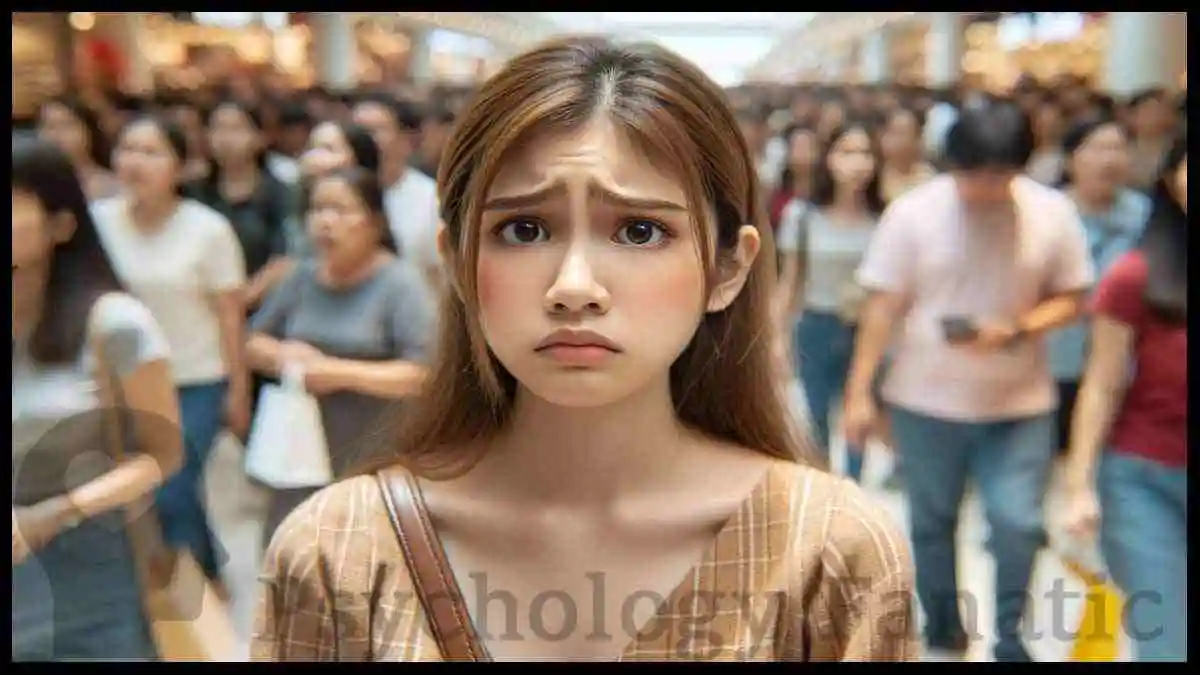
Managing Social Anxiety: Techniques for Success
Social anxiety, a pervasive and often debilitating condition, can transform everyday social interactions into overwhelming challenges. Imagine feeling an intense sense of dread at the thought of attending a gathering, fearing judgment or scrutiny from others. For many individuals grappling with social phobia—formally recognized as social anxiety disorder (SAD)—this scenario is all too familiar. The struggle to navigate social situations can lead to avoidance behaviors that ultimately hinder personal growth and quality of life, making it essential to understand the nuances between shyness, social anxiety, and clinical diagnoses.
As we delve into this topic, it’s crucial to recognize that while feelings of nervousness in social settings are common human experiences, they exist on a spectrum. At one end lies shyness—a personality trait characterized by mild discomfort in unfamiliar environments—while at the other end resides severe social phobia that can thwart an individual’s ability to function normally.
Understanding these distinctions not only fosters empathy for those affected but also illuminates pathways toward effective coping strategies and treatment options. Join us on this exploration as we uncover techniques for managing social anxiety and reclaiming control over one’s life amidst the complexities of interpersonal relationships.
Key Definition:
Social phobia, also known as social anxiety disorder, is characterized by fear of social situations. Individuals with social phobia often experience intense anxiety and self-consciousness in everyday social interactions, which can significantly impact their personal and professional lives. This can include fear of being scrutinized or judged by others, leading to avoidance of social events or situations. If left untreated, social phobia can have a profound impact on a person’s well-being and relationships.
Is Social Phobia a Psychological Disorder?
Social phobia and social anxiety disorder are terms that are often used interchangeably, but they can represent different aspects of anxiety in social situations. Social anxiety is a broader term that describes general feelings of nervousness or fear in certain settings. It’s not a formal diagnosis but rather a way to describe a common experience that many people have.
Social phobia, on the other hand, was a term previously used to describe what is now formally known as social anxiety disorder (SAD) in diagnostic manuals like the DSM-5-TR. It’s a diagnosable mental health disorder with specific criteria, including a persistent fear of social situations where one might be judged or scrutinized by others.
The key difference lies in the intensity and impact on daily life. Social anxiety might be a temporary discomfort in social situations, while social phobia is a persistent and impairing condition that affects a person’s ability to function in various aspects of life. Social phobia was previously the term replaced by the current formal diagnosis of social anxiety disorder.
See Social Anxiety Disorder for more on this topic
Social Anxiety, Shyness, and Social Anxiety Disorder
Social anxiety is a feeling affect. Shyness is a personality trait that is more likely to experience anxiety in social situations. While social phobia describes extreme fear of social encounters and is associated with a psychological disorder (social anxiety disorder). While the terms share some similarities, such as discomfort in social situations, there are key differences:
- Intensity: Social anxiety disorder is more intense than shyness. It involves significant fear, anxiety, and avoidance that can disrupt daily routines, work, school, or other activities.
- Impact on Life: Social anxiety doesn’t typically interfere with a person’s ability to function in life, whereas social anxiety disorder can lead to considerable impairment and distress.
- Physical Symptoms: Social anxiety disorder can cause physical symptoms like a racing heart, shortness of breath, sweating, or shaking during social interactions. Shyness may produce some of the same physical symptoms but to a lesser degree.
- Avoidance: People with social anxiety disorder might avoid social situations to a degree that limits their ability to engage in normal activities.
- Awareness: Individuals with social anxiety disorder often recognize that their fear is excessive or unreasonable, but feel powerless to control it.
In psychology circles, we generally consider shyness a personality trait. An individual with the personality trait of shyness is more likely to experience anxiety in social situations. Social phobia, however, is a diagnosable mental health condition that requires treatment.
Social Personality Continuum
Personality structures and disorders are multifaceted and complex, often formed by multiple structures and experiences. Any simple continuum fails to accurately portray human complexity. However, to compare these similar traits in relation to each other an image may help to clarify some of the differences between terms.

Only in the extremes of this continuum does behavior become problematic. A person can experience social anxiety and function normally. They may need to employ different strategies to help manage some of the discomfort. However, we all must adopt a variety of strategies to adapt to complex and different environments. Some environments will fit well with our personalities while other environments may force complex adaptations.
In the extremes, individuals response to environmental conditions create life long problems. Avoidance on one end, and complete ignorance to social rules and norms on the other.
Randolph Nesse wrote:
“Some people hear about guilt or social anxiety and don’t know what people are talking about, any more than a color-blind person can grasp the experience of ‘green.’ Such sociopaths aren’t bothered by such aversive emotions, and they have no compunctions about manipulating, cheating, lying, and taking advantage of others” (Nesse, 2019).
See Sociopath for more on this topic
Faulty Evaluations of Social Encounters
One theory suggests that we have a built in process of evaluating our social value, which then influences emotional reaction to those evaluations. Researchers, Mark R. Leary and Jennifer Guadagno refer to this as a ‘sociometer.’ They explain that an oversensitive or miscalibrated sociometer “will register a high proportion of false positives, interpreting benign (or even mildly favorable) interpersonal events as potential threats to acceptance. Because this miscalibrated sociometer responds as if relational value is unacceptably low, the person experiences frequent episodes of low state self-esteem, along with rejection-related emotions, such as social anxiety, jealousy, guilt, and embarrassment” (Leary & Guadagno, 2016).
State and Trait Social Anxiety
Almost everyone experiences social anxiety in some circumstances. It is an adaptive response that assists with cooperation, serving our need to belong. Scott Strossel wrote:
“Social anxiety and the blushing it produces can be evolutionarily adaptive—the behavior it promotes can preserve social comity and can keep us from being ostracized from the tribe” (Strossel, 2015).
In the context of emotions, the difference between a state and a trait is primarily about duration and consistency:
- Emotional State: This refers to the temporary and fluctuating feelings that an individual experiences. Specific situations and events influence emotional states. Emotional states can change from moment to moment. For example, feeling anxious before a public speaking event is a state.
- Emotional Trait: In contrast, an emotional trait is a stable and enduring aspect of an individual’s personality. It reflects a person’s typical emotional response across various situations over time. For instance, someone who generally tends to worry or is usually cheerful has a trait of anxiety or cheerfulness, respectively.
Traits
Traits are characteristic patterns of thinking, feeling, and behaving that remain relatively stable across time and do not change much from one situation to another. States, on the other hand, are temporary and can vary significantly depending on the immediate circumstances.
States
Emotional states are not independent of emotional traits. For example if I have an emotional trait of shyness, I am more prone to experiencing social anxiety in more situations than someone with a character trait of extroversion.
The causes of social anxiety are complex and multifaceted. Genetic predisposition, brain chemistry, and environmental factors all play a role in forming personality traits and sensitivities. Personality traits then influence the extent that an individual will experience social anxiety, and under what circumstances likely to create arouse emotions. Traumatic social experiences, such as bullying or public embarrassment, can also contribute to heightened anxiety that may reach the status of a diagnosable disorder.
Signs and Symptoms of Social Anxiety
The symptoms of social anxiety can manifest in a variety of ways, encompassing physical, emotional, and behavioral dimensions. Physically, individuals may experience symptoms such as trembling, excessive sweating, blushing uncontrollably, or even nausea when faced with social interactions.
These responses are often linked to the body’s fight-or-flight mechanism being triggered by perceived threats in social situations. The mere anticipation of an upcoming event can evoke these reactions; for instance, someone might feel their heart racing or have difficulty breathing before giving a presentation or attending a gathering. Such physiological responses not only heighten discomfort but can create a vicious cycle where fear of experiencing these symptoms leads to further avoidance.
Emotionally, the spectrum of social anxiety begins with mild feelings of apprehension in unfamiliar settings and can escalate into intense fear or panic attacks during social encounters. Individuals may find themselves ruminating over past interactions or worrying excessively about future ones—fearing judgment from peers or misinterpretation of their actions.
This emotional turmoil often coexists with behavioral manifestations; many people coping with social anxiety develop patterns that involve avoiding situations that could trigger their distress altogether. For example, someone might decline invitations to parties or gatherings out of fear they won’t measure up socially or will face embarrassment—a tendency that ultimately hampers personal growth and limits opportunities for building meaningful connections with others.
See Symptoms of Psychological Disorders for more on different symptoms
Diagnosis and Treatment
Social anxiety (shyness), does not need diagnosing or treatment unless it arises to the level of interfering with normal life functions. In the case of severe shyness, an individual should speak to a professional medical provider to assess whether or not their shyness arises to the level of social anxiety disorder and if they should receive additional treatment.
Diagnosis of social anxiety disorder involves an evaluation by a mental health professional, who will assess the individual’s symptoms and their impact on daily life. Treatment options typically include therapy, such as cognitive-behavioral therapy (CBT), and medications like selective serotonin reuptake inhibitors (SSRIs) or beta-blockers. Lifestyle changes, such as stress-reducing activities and social skills training, can also be beneficial in managing social phobia.
Coping Strategies and Support
Individuals with heightened social anxiety can benefit from learning coping strategies to manage their symptoms, such as relaxation techniques and gradual exposure to feared social situations. Social support from understanding friends, family, and support groups can also be instrumental in navigating the challenges posed by social anxiety. However, if the anxiety significantly impacts normal functions, than professional help is necessary.
See Emotional Regulation for more on this topic
Associated Concepts
- Neurotic Tendencies: These refer to patterns of thought and behavior typically marked by excessive anxiety, worry, and emotional volatility.
- Phobias (A Psychological Disorder): These refer to persistent, irrational fears of specific objects, situations, or activities. These fears can cause significant distress and may lead to avoidance behavior.
- Relaxation Response: This refers to a state of deep rest that changes the physical and emotional responses to stress. It is the opposite of the stress-induced fight or flight response and is often elicited through techniques such as deep breathing, meditation, or yoga.
- Primal Panic: This refers to an innate emotional response to extreme dangers in our environment that threaten basic biological needs.
- Behavioral Activation System (BAS): This refers to a neurological system activated in response to the signals of reward, motivating approach behaviors.
- Catastrophizing: This refers to the cognitive distortion where an individual tends to predict the worst possible outcome of a situation and believe that it is unavoidable.
A Few Words by Psychology Fanatic
In conclusion, social anxiety can have a profound impact on an individual’s quality of life. However, with proper adjustments, and sometimes appropriate diagnosis and treatment, the individual can managed their fears effectively. When fears exceed the ability to function, then seeking professional help is a crucial step towards regaining control and living a fulfilling life.
Remember, if you or someone you know is struggling with social phobia, reaching out for help is the first step towards healing and recovery.
Last Update: March 7, 2026
References:
Leary, Mark R.; Guadagno, Jennifer (2016). The Sociometer, Self-Esteem, and the Regulation of Interpersonal Behavior. In: Kathleen D. Vohs and Roy F. Baumeister (eds.), Handbook of Self-Regulation: Research, Theory, and Applications. The Guilford Press; 3rd edition. ISBN-10: 1462533825; APA Record: 2010-24692-000
(Return to Main Text)
Nesse, Randolph M. (2019). Good Reasons for Bad Feelings: Insights from the Frontier of Evolutionary Psychiatry. Dutton; 1st edition. ISBN-10: 0141984910
(Return to Main Text)
Strossel, Scott (2015). My Age of Anxiety: Fear, Hope, Dread, and the Search for Peace of Mind. Vintage; Reprint edition. ISBN-10: 0307390608
(Return to Main Text)
Related Articles

Phobias: A Psychological Disorder

Shame and the Search for Connection

Social Withdrawal
