
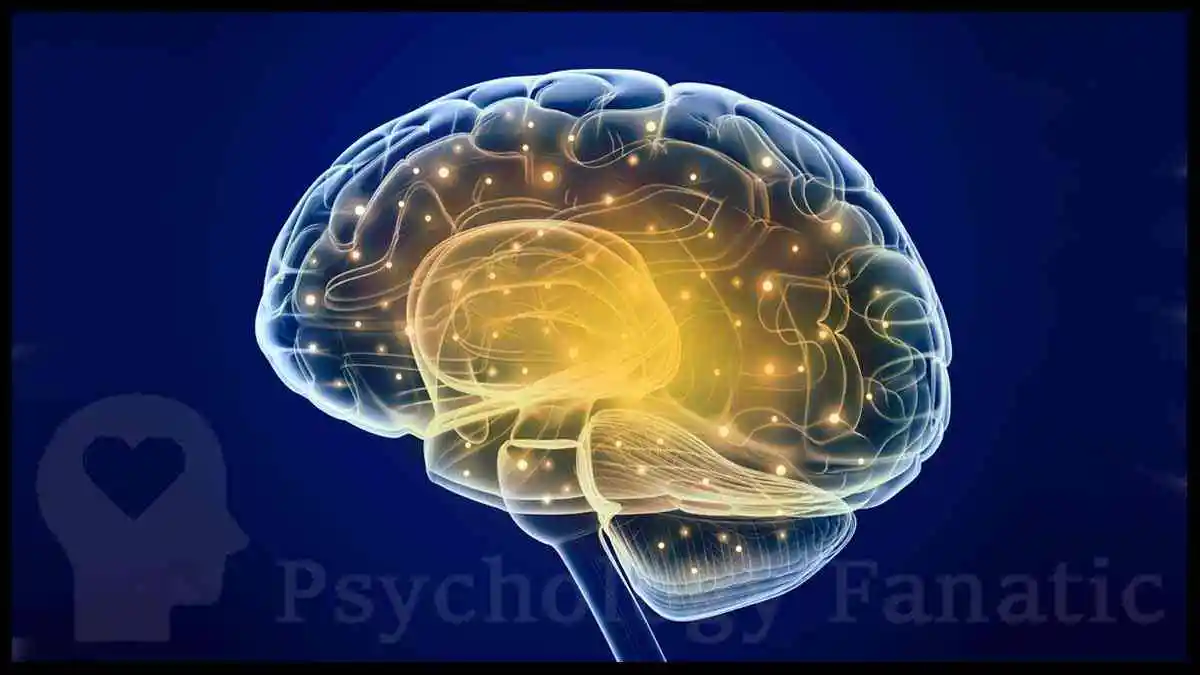
The Symphony of Neurons: Understanding Social Neuroscience
As we embark on the captivating journey of social neuroscience, we find ourselves navigating the intricate dance between our brains and the rich tapestry of human interactions. This vibrant field serves as a bridge that connects biology to society, unraveling how neural pathways shape our emotions, behaviors, and connections with others. Imagine each neuron firing in harmony, conducting a symphony of thoughts and feelings that allow us to empathize, communicate, and coexist within our complex social world. With every discovery made in this realm, we gain deeper insights into the very essence of what it means to be human.
Within this exploration lies not just academic curiosity but also profound implications for understanding ourselves and one another on a fundamental level. Social neuroscience illuminates the mechanisms behind empathy—the ability to resonate with another’s emotional experience—and reveals how our brains are wired to connect with those around us. As we delve into topics like social perception, group dynamics, and mental health disorders through this interdisciplinary lens, we uncover layers of complexity that inform both individual behavior and societal structures. Join us as we navigate these uncharted territories where science meets humanity—where knowledge ignites passion for understanding the beautiful intricacies of our shared experiences.
Understanding Social Neuroscience
Social neuroscience is a multidisciplinary field that seeks to understand the neural mechanisms underlying social processes and behaviors. By integrating concepts from psychology, neuroscience, biology, and other related disciplines, social neuroscience provides valuable insights into human social interaction and behavior.
Science now understands the intricate weaving of our brains with the brains of others. Daniel Siegel wrote: “We must look inward to know our own internal world before we can map clearly the internal state, the mind, of the other. As we grow in our ability to know ourselves, we become receptive to knowing each other. And as a ‘we’ is woven into the neurons of our mirroring brains, even our sense of self is illuminated by the light of our connection…with internal awareness and empathy, self-empowerment and joining, differentiation and linkage, we create harmony within the resonating circuits of our social brains” (Siegel, 2009).
Foundational Concepts in Social Neuroscience
The Social Brain
The concept of the “social brain” refers to the intricate neural networks and mechanisms that have evolved in humans, largely driven by the need to navigate and manage increasingly complex social structures. This evolutionary pressure led to the expansion and greater interconnectedness of the human brain’s cortical mantle. The social brain enables a wide array of crucial abilities, including learning through social observation, recognizing the shifting status of friends and foes, anticipating and coordinating efforts with others (often relying on language), orchestrating various relationships (from pair bonds to coalitions), navigating complex social hierarchies, adhering to social norms, and absorbing cultural developments (Cacioppo & Patrick, 2008; Adolphs, 2009).
The social brain also allows individuals to subjugate self-interest for the long-term benefits of a pair bond or social group (van der Kolk, 2015). Our brains, minds, and bodies are inherently geared towards collaboration within social systems, which is considered our most powerful survival strategy and the key to our species’ success. Social interaction profoundly influences both brain function and, over time, genetic selection (Restak, 2006).
Neural Mechanisms of Social Cognition
Key brain regions are integral to the social brain’s function. The frontal lobes, for instance, are crucial for executive control, planning, reflection, imagining future scenarios, and developing empathy—the ability to “feel into” someone else. These lobes allow us to understand others’ motives, adapt our behavior within groups, and (sometimes) inhibit impulses that might hurt others or cause embarrassment (van der Kolk, 2015). The amygdala plays a central role in detecting danger and is heavily involved in social evaluation, quickly assessing if others’ intentions are benign or threatening. The insula is linked to processing social context and integrating bodily feelings with emotional meaning (Sapolsky, 2018).
Mental suffering often manifests as difficulties in forming satisfying relationships or regulating arousal, highlighting the fundamental role of the social brain in our well-being. Social support is not merely an option but a biological necessity for mental health, and the development of the social brain and related capacities, such as “mindsight” (perceiving the minds of others and oneself), is profoundly shaped by early interpersonal relationships and ongoing experiences (Siegel, 2020).
Key Research Areas
Theory of Mind and Social Cognition
Theory of Mind (ToM) refers to the ability to attribute mental states, such as beliefs, intentions, and desires, to oneself and others. This faculty allows humans to predict and interpret the behavior of others in complex social environments (Frith & Frith, 2006). Neuroimaging research has consistently implicated the temporoparietal junction (TPJ), the medial prefrontal cortex (mPFC), and the posterior superior temporal sulcus (pSTS) in ToM tasks (Saxe & Kanwisher, 2003). These regions are activated when participants are asked to infer the thoughts or intentions of others, highlighting their importance in mental state attribution.
Developmentally, ToM emerges gradually in childhood, with significant milestones typically achieved around ages 4 to 5, as demonstrated by classic false-belief tasks (Wellman, Cross, & Watson, 2001). The maturation of ToM abilities is linked to both social experience and neurodevelopmental changes, including myelination and synaptic pruning in relevant cortical areas (Gweon et al., 2012). Furthermore, ToM is not limited to verbal communication; it also underlies nonverbal cues such as facial expressions and gestures, making it essential for effective social interaction (Adolphs, 2009).
Impairments in ToM have been widely studied in clinical populations, particularly in individuals with autism spectrum disorder and schizophrenia, where deficits in mentalizing contribute to social dysfunction (Pinkham et al., 2014; Baron-Cohen et al., 2000). Recent advances in computational modeling and neuroimaging continue to refine our understanding of the neural architecture underlying ToM and its role in everyday social cognition.
See Theory of Mind for more information on this topic
Empathy and its Neural Correlates
Empathy is one of the central concepts in social neuroscience, encompassing the capacity to understand and share the feelings of others. Neuroimaging studies have identified a network of brain regions implicated in empathic processing, including the anterior insula, anterior cingulate cortex, and the inferior frontal gyrus (Singer et al., 2004; Lamm, Decety, & Singer, 2011). These regions are activated both when individuals experience pain themselves and when they observe others in pain, suggesting a shared neural substrate for self and other-oriented affective states.
Moreover, empathy can be divided into cognitive and affective components. The cognitive aspect involves understanding another person’s perspective, while the affective component pertains to emotional resonance (Shamay-Tsoory, 2011). Functional MRI studies have shown that the medial prefrontal cortex (mPFC) is crucial for cognitive empathy, whereas affective empathy relies more heavily on limbic structures such as the amygdala (Fan et al., 2011). Research has also highlighted individual differences in empathic capacity, which are shaped by genetic, developmental, and contextual factors (Decety, 2020).
Empathy plays a key role not only in prosocial behavior but also in regulating social interactions and relationships. Impairments in empathic processes have been linked to a variety of neuropsychiatric conditions, including autism spectrum disorders and psychopathy (Blair, 2005; Baron-Cohen et al., 2000). Understanding the neural bases of empathy thus has wide-ranging implications for both basic science and clinical practice.
See the Psychology of Empathy for more information on this topic
Social Influences on Brain Development
The British anthropologist Robin Dunbar discovered that “across various taxa (e.g., ‘birds,’ ‘ungulates’ or ‘primates’), the bigger the average size of the social group in the species, (a) the larger the brain, relative to total body size, and (b) the larger the neocortex, relative to total brain size” (Sapolsky, 2018). Basically, Dunbar’s influential social brain hypothesis suggests that social complexity is associated with evolutionary expansion of the neocortex.
The underlying evolutionary concept is that increased social skills enhanced survival. Survival favored “Individuals who could learn by social observation; recognize the shifting status of friends and foes; anticipate and coordinate efforts between two or more individuals, eventually relying on language to communicate with, reason with, teach, and deceive others; orchestrate relationships, ranging from pair bonds and families to friends, bands, and coalitions; navigate complex hierarchies, adhere to social norms, and absorb cultural developments; subjugate self-interest to the interest of the pair bond or social group in exchange for the possibility of long-term benefits; recruit support for the sanctioning of individuals who violate group norms; and do all this across time frames that stretch from the distant past to multiple possible futures” (Cacioppo & Patrick, 2008).
All these complex social skills require subtle mental abilities that science attributes to the executive functions of the frontal lobes.
See Executive Functions for more on this topic
Development After Birth
The extensive demands on cognitive functions for complex social interaction requires a larger cortex. However, cranial capacity is limited before birth to allow for the birthing process. This requires that human babies must continue cognitive, emotional, and social development for months and years after birth.
John Cacioppo, John and William Patrick explain that the child’s prolonged dependency needs for proper brain development creates a “premium on bonding and on parental investment. For males as well as females, those who felt compelled to bond with their offspring and take care of them, even if they themselves had to subsist on less and endure more hardships, left behind more surviving relatives who carried their ‘socially connected’ genes” (Cacioppo & Patrick, 2008).
Social Influence
Social neuroscience plays a crucial role in understanding social influence by merging traditional social and psychological viewpoints with brain science, a dramatic departure from past segregated approaches. Richard Restak wrote: “Social neuroscience introduces a whole new dimension based on the recognition that the brain isn’t anything like a watch but operates differently depending on social context” (Restak, 2006, p. 3).
This emerging discipline is founded on the fundamental insight that the human brain is inherently social, with its operation varying based on social context. Early research, such as Harry Harlow’s studies with monkeys, demonstrated that the absence of normal social interaction permanently alters brain structure and behavior, highlighting the biological necessity of social connection.
Further studies in monkeys showed that even responses to drugs like amphetamine differ based on an individual’s social hierarchy, underscoring the interplay between biological and social factors in shaping behavior. Ultimately, social interaction not only modifies brain function but, given sufficient time, also influences genetic selection, indicating a profound co-evolution between our brains and our social patterns. This perspective frames emotions as inherently social, arising in interactions, regulated by social norms, expressed in social situations, and influencing others.
Exploring Brain Activity During Social Interactions
Research in social neuroscience employs advanced techniques like fMRI and PET to provide a window into brain activity during social interactions. This allows scientists to investigate how one person’s emotional expressions impact the thoughts, feelings, and behaviors of others, mediated by affective reactions and inferential processes. For instance, hormones like oxytocin are known to increase social engagement, altruism, trusting behavior, and empathic concern, demonstrating a neurochemical basis for prosocial influence.
The brain’s capacity to interpret emotional signals, whether through facial expression, tone of voice, or gestures, directly shapes the receiver’s emotional state by activating neuronal circuits that mediate emotional responses, meaning that the sender’s emotional state can directly influence the receiver’s. This understanding extends to areas like marketing and politics, where insights from brain science are used to devise strategies aimed at influencing purchasing decisions or political attitudes, illustrating the practical, and sometimes ethically troubling, applications of this research in deliberate social influence attempts.
Clinical Implications
Social Disorders and Mental Health
Social neuroscience offers valuable insights into various social and mental health disorders, including autism spectrum disorders, schizophrenia, and social anxiety. By elucidating the neural substrates of these conditions, researchers aim to develop more effective interventions and therapies.
Neuroethical Considerations
Understanding the neural underpinnings of social behavior raises important ethical considerations. Research in this field prompts discussions about privacy, individual autonomy, and the implications of manipulating social cognition through neural interventions.
Future Directions
As technology advances, social neuroscience continues to evolve, leveraging tools such as functional magnetic resonance imaging (fMRI) and electroencephalography (EEG) to unravel the complexities of the social brain. Future research aims to further elucidate the neural mechanisms behind social phenomena. Accordingly, new research potentially will provide new interventions aimed at enhancing social functioning.
Associated Concepts
- Mirror Neuron System: Mirror neurons are a group of neurons that fire both when an individual acts and when the individual observes the same action performed by another. This system is thought to be involved in understanding others’ actions, intentions, and emotions.
- Groupthink Theory: Developed by Irving Janis, groupthink occurs when a cohesive group prioritizes consensus over critical thinking. Members suppress dissenting opinions to maintain harmony. Groupthink can lead to flawed decisions and lack of creativity.
- Social Categorization and Prejudice: Social neuroscience examines the brain activity related to social categorization. This may include processes such as in-group and out-group distinctions, and how these processes contribute to prejudice and discrimination.
- Social Connection and Loneliness: Studies in social neuroscience have highlighted differences in how the brain represents the self and other people in states of loneliness, suggesting a biological basis for the need for social connection.
- Social Exchange Theory: This theory posits that prosocial behavior is a result of a cost-benefit analysis where individuals help others with the expectation of future reciprocation or benefits.
- Altruism and Prosocial Behavior: Research in social neuroscience has investigated the differences in brain structures, such as the amygdala, in altruists compared to others, providing insights into the biological underpinnings of prosocial behavior.
- Social Influence and Conformity: This area of study looks at how the presence of others can affect an individual’s behavior and decision-making processes. Accordingly, neuroimaging techniques to observe brain activity during social interactions provides great insight.
A Few Word by Psychology Fanatic
In conclusion, social neuroscience stands at the intersection of biology, psychology, and sociology, offering a deeper understanding of the intricate neural processes that underlie our social nature. Through its multidisciplinary approach, this science continues to unravel the mysteries of human social behavior. We are still at the dawn of this fascinating science. It holds promise for both theoretical advancements and practical applications in various domains.
Last Update: August 19, 2025
References:
Adolphs, R. (2009). The social brain: neural basis of social knowledge. Annual Review of Psychology, 60, 693-716. DOI: 10.1146/annurev.psych.60.110707.163514
(Return to Main Text)
Baron-Cohen, S., Leslie, A. M., & Frith, U. (2000). Does the autistic child have a ‘theory of mind’? Cognition, 21(1), 37-46. DOI: 10.1016/0010-0277(85)90022-8
(Return to Main Text)
Blair, R. J. R. (2005). Responding to the emotions of others: dissociating forms of empathy through the study of typical and psychiatric populations. Consciousness and Cognition, 14(4), 698-718. DOI: 10.1016/j.concog.2005.06.004
(Return to Main Text)
Spotlight Book:
Cacioppo, John; Patrick, William (2008). Loneliness: Human Nature and the Need for Social Connection. W. W. Norton & Company.
(Return to Main Text)
Decety, J. (2020). Empathy in medicine: What it is, and how much we really need it. American Journal of Medicine, 133(5), 561-566. DOI: 10.1016/j.amjmed.2019.12.012
(Return to Main Text)
Fan, Y., Duncan, N. W., de Greck, M., & Northoff, G. (2011). Is there a core neural network in empathy? An fMRI-based quantitative meta-analysis. Neuroscience & Biobehavioral Reviews, 35(3), 903-911. DOI: 10.1016/j.neubiorev.2010.10.009
(Return to Main Text)
Frith, C. D., & Frith, U. (2006). The neural basis of mentalizing. Neuron, 50(4), 531-534. DOI: 10.1016/j.neuron.2006.05.001
(Return to Main Text)
Gweon, H., Dodell-Feder, D., Bedny, M., & Saxe, R. (2012). Theory of mind performance in children correlates with functional specialization of a brain region for thinking about thoughts. Child Development, 83(6), 1853-1868. DOI: 10.1111/j.1467-8624.2012.01829.x
(Return to Main Text)
Lamm, C., Decety, J., & Singer, T. (2011). Meta-analytic evidence for common and distinct neural networks associated with directly experienced pain and empathy for pain. NeuroImage, 54(3), 2492-2502. DOI: 10.1016/j.neuroimage.2010.10.014
(Return to Main Text)
Pinkham, A. E., Penn, D. L., Green, M. F., & Harvey, P. D. (2014). Social cognition in schizophrenia. Journal of Clinical Psychiatry, 75(Suppl 2), 14-19. DOI: 10.4088/JCP.13065su1.04
(Return to Main Text)
Spotlight Book:
Restak, Richard M. (2006). The Naked Brain : How The Emerging Neurosociety is Changing How We Live, Work, and Love. Harmony Books.
(Return to Main Text)
Saxe, R., & Kanwisher, N. (2003). People thinking about thinking people: The role of the temporo-parietal junction in “theory of mind”. NeuroImage, 19(4), 1835-1842. DOI: 10.1016/s1053-8119(03)00230-1
(Return to Main Text)
Shamay-Tsoory, S. G. (2011). The neural bases for empathy. The Neuroscientist, 17(1), 18-24. DOI: 10.1177/1073858410379268
(Return to Main Text)
Siegel, Daniel J. (2020). The Developing Mind: How Relationships and the Brain Interact to Shape Who We Are. The Guilford Press; 3rd edition. ISBN-10: 1462542751; APA Record: 2012-12726-000
(Return to Main Text)
Singer, T., Seymour, B., O’Doherty, J., Kaube, H., Dolan, R. J., & Frith, C. D. (2004). Empathy for pain involves the affective but not sensory components of pain. Science, 303(5661), 1157-1162. DOI: 10.1126/science.1093535
(Return to Main Text)
Spotlight Article:
Sapolsky, Robert (2018). Behave: The Biology of Humans at Our Best and Worst. Penguin Books; Illustrated edition.
(Return to Main Text)
Siegel, Daniel J. (2009). Mindsight: The New Science of Personal Transformation. Bantam.
(Return to Main Text)
Van der Kolk, Bessel (2015). The Body Keeps the Score: Brain, Mind, and Body in the Healing of Trauma. Penguin Books; Illustrated edition.
(Return to Main Text)
Wellman, H. M., Cross, D., & Watson, J. (2001). Meta-analysis of theory-of-mind development: The truth about false belief. Child Development, 72(3), 655-684. DOI: 10.1111/1467-8624.00304
(Return to Main Text)