
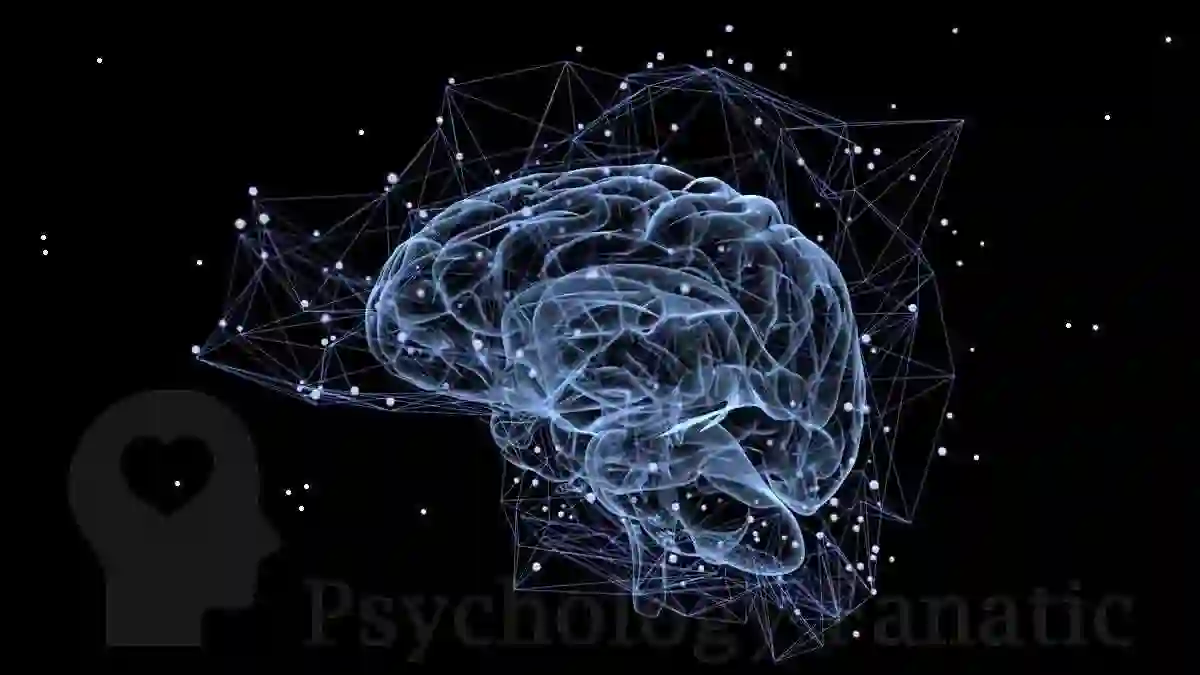
Controlled Neuroplasticity: Unlocking Brain Potential
Neuroplasticity, the brain’s remarkable ability to reorganize itself throughout life, has captivated scientists and the public alike. This dynamic process allows the brain to form new neural connections, strengthen existing ones, and adapt to changing circumstances. From learning new skills to recovering from injury, neuroplasticity underlies many aspects of human experience.
However, the brain’s inherent plasticity can also be harnessed and directed for specific purposes. Controlled neuroplasticity refers to the deliberate and targeted manipulation of brain function through various interventions. This emerging field holds immense promise for addressing a wide range of neurological and psychiatric conditions, from stroke recovery to the treatment of depression.
By understanding the mechanisms that drive neuroplasticity, researchers and clinicians are developing innovative techniques to promote beneficial brain changes. These techniques may include non-invasive brain stimulation methods, such as transcranial magnetic stimulation (TMS) and transcranial direct current stimulation (tDCS), as well as therapeutic interventions like cognitive training and physical therapy.
Key Definition:
Controlled neuroplasticity refers to the intentional and directed use of techniques and interventions to promote specific changes in the brain. It’s about harnessing the brain’s natural ability to reorganize itself to achieve desired outcomes, such as learning new skills, recovering from injury, or improving cognitive function.
Introduction: Creating Connections that Support Our Goals
The concept that brain hardware molds to our experience is fascinating. The environment stimulates regions of the brain that adapt through changing physical structures. Lisa Feldman Barrett wrote: “Your brain is constantly under construction. Neurons die, and in some parts of the human brain, neurons are born. Connections become more or less numerous, and they become stronger when neurons fire together and weaker when they don’t” (Barrett, 2020).
Joseph LeDoux, a Professor of Science at New York University’s Center for Neural Sciences, explains that physiological plasticity is accompanied by “axon branching and new synapse formation both during development and following learning” (LeDoux, 2003).
Neuroplasticity is a field of great interest. Research exploring different aspects of neuroplasticity have flooded peer reviewed publications. Authors of a recent 2020 article in Human Physiology wrote: “The process of developing ideas about the possibilities, types, and patterns of neuroplasticity is developing so rapidly that even published analytical reviews require significant additions” (Naryshkin et al., 2020).
Learning and Neuroplasticity
Learning, at its core, is a testament to neuroplasticity. When we acquire new information or skills, our brains undergo significant changes. Neural connections strengthen, new pathways are formed, and existing networks are reorganized. For example, learning to play a musical instrument involves intricate motor and cognitive processes. As we practice, neural circuits in the motor cortex, cerebellum, and auditory cortex become more efficient, allowing for smoother and more coordinated movements and improved musicality. This refinement of neural pathways is a direct result of neuroplasticity (Murphy, 2018).
Similarly, mastering a new language involves the formation of new neural connections within language-processing regions of the brain (Tang & Tang, 2020). By repeatedly encountering new words, grammar rules, and sounds, we strengthen the neural pathways associated with language comprehension and production. This process of strengthening existing connections and forming new ones underlies our ability to learn and acquire new knowledge and skills throughout our lives.
Robert M. Sapolsky, Ph.D., professor of biology and neurology at Stanford University, explains that research shows that “mothering style altered the on/off switch in a gene relevant to the brain’s stress response.” Sapolsky continues to explain that stimulating environments, harsh parents, good neighborhoods, uninspiring teachers, optimal diets—”all alter genes in the brain” (Sapolsky, 2018).
The understanding of neuroplasticity has profound implications for education and learning. By leveraging the brain’s capacity for change, educators can develop more effective teaching methods and learning environments that optimize learning outcomes. This leads us to the concept of “controlled neuroplasticity,” where we can intentionally harness the brain’s ability to change to enhance learning and improve cognitive function.
Key Concepts of Controlled Neuroplasticity
Intentionality
Intentionality plays a crucial role in driving neuroplasticity. While the brain is constantly adapting and changing in response to our experiences, conscious effort and deliberate practice can significantly amplify these changes. When we engage in activities with intention and focus, we are essentially guiding the brain’s plasticity in a specific direction.
For example, musicians who practice diligently with focused attention strengthen the neural circuits involved in motor coordination, auditory processing, and fine motor control. Similarly, individuals who engage in mindfulness meditation can strengthen the neural networks associated with attention, emotional regulation, and self-awareness .
Intentionality can also be harnessed through techniques such as neurofeedback and neurofeedback-based training. These methods provide real-time feedback on brainwave activity, allowing individuals to learn to self-regulate their brainwaves and promote desired states of brain function. By consciously directing attention and effort towards specific goals, individuals can actively shape their own brain function and enhance their cognitive and emotional well-being.
Targeted Interventions
Controlled neuroplasticity emphasizes precision. Interventions are not simply about general stimulation, but about precisely targeting specific brain regions or neural pathways associated with the desired outcome. For instance, in stroke rehabilitation, therapies might focus on stimulating the motor cortex to rewire neural pathways and regain lost motor function. Similarly, in the treatment of depression, techniques like transcranial magnetic stimulation (TMS) can be targeted to specific brain regions involved in mood regulation. This focus on specificity maximizes the efficiency and effectiveness of interventions by directing the brain’s plasticity towards the most relevant areas.
Evidence-Based Practices
Controlled neuroplasticity relies heavily on scientific evidence. Interventions are not based on speculation but on rigorous research that investigates the mechanisms of brain plasticity and evaluates the effectiveness of different techniques. This evidence-based approach ensures that interventions are safe, effective, and grounded in scientific understanding.
Researchers constantly investigate new techniques, refine existing methods, and gather data to optimize interventions and improve outcomes. This commitment to evidence ensures that controlled neuroplasticity remains a dynamic and evolving field, constantly advancing our understanding of how to harness the brain’s remarkable capacity for change.
Examples of Controlled Neuroplasticity in Action
Cognitive Training
Cognitive training involves specific exercises designed to enhance mental processes such as attention, memory, and processing speed. These exercises are often conducted through computer-based programs or structured activities that challenge the brain. For instance, memory games that require the recall of sequences or patterns can significantly improve working memory capacity. Similarly, tasks that demand sustained attention over prolonged periods can strengthen the neural circuits responsible for maintaining focus.
Research has demonstrated that consistent cognitive training can lead to substantial changes in neural networks. Brain imaging studies have shown increased connectivity and activation in areas associated with the targeted cognitive functions. For example, individuals engaged in attention-training exercises exhibit enhanced activity in the prefrontal cortex, a region critical for executive functions. These neural adaptations underscore the brain’s ability to reorganize and optimize its pathways in response to specific cognitive demands.
Physical Therapy After Stroke
Stroke can result in the loss of motor functions due to damage to specific brain regions. Physical therapy and targeted rehabilitation programs are essential for helping stroke survivors regain these lost functions. By engaging in repetitive, goal-oriented exercises, patients can stimulate neuroplasticity and promote the formation of new neural connections. Techniques such as constraint-induced movement therapy, which forces the use of the affected limb, have been particularly effective in driving motor recovery.
The underlying mechanism of physical therapy after a stroke involves the brain’s ability to rewire itself. When patients practice specific movements, the brain’s motor cortex adapts by creating new synaptic connections and strengthening existing ones. This process, known as synaptogenesis, enables the brain to compensate for damaged areas and restore motor abilities. Over time, these neural changes can lead to significant improvements in coordination, strength, and overall function (Kloos et al., 2020).
Learning a New Language or Musical Instrument
Engaging in activities such as learning a new language or playing a musical instrument requires the brain to develop new neural pathways and reinforce existing ones. These complex tasks demand the integration of multiple cognitive and sensory processes, leading to structural and functional changes in relevant brain areas. For example, language learning involves the expansion of neural networks in the left hemisphere, particularly in regions associated with language processing, such as Broca’s and Wernicke’s areas.
The process of mastering a musical instrument also induces significant neuroplastic changes. Musicians often exhibit increased gray matter volume in areas related to auditory processing, motor control, and spatial coordination. Additionally, the corpus callosum, which facilitates communication between the brain’s hemispheres, tends to be more robust in musicians. These adaptations highlight the brain’s remarkable capacity for growth and reorganization in response to demanding and skill-intensive activities.
Mindfulness and Meditation
Mindfulness and meditation practices have gained widespread recognition for their ability to induce positive changes in brain structure and function. Regular meditation has been shown to alter brain activity and connectivity in areas associated with attention, emotion regulation, and self-awareness. For example, long-term meditators often exhibit increased thickness in the prefrontal cortex, which is involved in executive functions and decision-making (Berkovich-Ohana et al., 2020).
Functional MRI studies have also revealed changes in the brain’s default mode network (DMN) among meditators. The DMN, typically active during mind-wandering and self-referential thoughts, shows decreased activity during meditation, suggesting improved focus and reduced distraction. Additionally, regions involved in emotional regulation, such as the amygdala, exhibit reduced reactivity, indicating enhanced emotional stability and resilience. These findings underscore the profound impact of mindfulness practices on brain plasticity and overall mental well-being.
See The Neuroscience of Mindfulness for more on this topic
Transcranial Magnetic Stimulation (TMS)
Transcranial Magnetic Stimulation (TMS) is a non-invasive brain stimulation technique that uses magnetic fields to modulate neural activity in specific brain regions. By targeting areas implicated in various neurological and psychiatric conditions, TMS can promote neuroplasticity and potentially alleviate symptoms. For instance, TMS has been employed to treat depression by stimulating the dorsolateral prefrontal cortex, a region often underactive in individuals with this condition (.
The therapeutic effects of TMS are attributed to its ability to enhance synaptic plasticity and cortical excitability. Repeated sessions of TMS can lead to long-lasting changes in brain function, facilitating the reorganization of neural networks. Studies have shown that TMS can improve symptoms of chronic pain, by targeting the motor cortex, and obsessive-compulsive disorder, by stimulating the orbitofrontal cortex. These applications demonstrate the potential of TMS to harness the brain’s plasticity for therapeutic purposes, offering hope for individuals with treatment-resistant conditions (Naryshkin et al, 2020).
See Brain Stimulation Therapy for more information on this therapy style
Key Principles for Promoting Controlled Neuroplasticity
- Repetition and Consistency: Consistent and repetitive stimulation is crucial for driving meaningful neuroplastic changes. This may involve repeated practice of specific skills, regular engagement in therapeutic exercises, or consistent use of brain stimulation techniques. Donald Hebb proposed that any two cells or systems of cells that are repeatedly active at the same time will tend to become associated, so that activity in one facilitates activity in the other (Hebb, 1949).
- Individualized Approaches: Controlled neuroplasticity recognizes the unique needs and circumstances of each individual. Tailoring interventions to specific individual goals and challenges is essential for maximizing the effectiveness of these approaches. This may involve personalized training programs, customized brain stimulation protocols, and ongoing monitoring and adjustments based on individual progress.
- Integration of Multiple Modalities: Combining various interventions can often yield more significant and lasting results than relying on a single approach. For example, combining physical therapy with cognitive training and non-invasive brain stimulation may be more effective in promoting recovery after a stroke than any single intervention alone.
- The Role of Motivation and Mindset: Intrinsic motivation and a positive mindset are crucial for successful neuroplasticity interventions. Individuals who are actively engaged in the process, believe in their ability to improve, and maintain a positive outlook are more likely to achieve their goals.
Benefits of Controlled Neuroplasticity
Enhanced Learning and Memory
By engaging in activities that promote plasticity, we can improve our ability to learn and retain new information. Activities such as practicing new skills, engaging in mental exercises, and exposing ourselves to novel experiences can stimulate the brain’s ability to form new connections and strengthen existing ones. This continuous reshaping of neural pathways enhances our capacity to absorb and retain knowledge, making learning a more efficient and effective process.
Moreover, controlled neuroplasticity can help counteract age-related cognitive decline. As we age, our brain’s ability to adapt and change diminishes, leading to difficulties in learning and memory retention. However, by intentionally engaging in activities that promote neuroplasticity, we can maintain and even enhance our cognitive abilities, ensuring that we remain mentally sharp and capable of acquiring new skills well into our later years.
Improved Cognitive Function
Controlled neuroplasticity can help enhance attention, processing speed, and other cognitive abilities. By deliberately engaging in cognitive training exercises, such as memory games, problem-solving tasks, and mindfulness practices, we can target specific areas of the brain responsible for these functions. This targeted stimulation encourages the growth and strengthening of neural connections, leading to improved cognitive performance.
In addition to targeted exercises, lifestyle factors such as physical activity, a balanced diet, and adequate sleep also play a crucial role in supporting neuroplasticity. Regular physical exercise, for example, increases blood flow to the brain, promoting the growth of new neurons and enhancing overall brain function. By adopting a holistic approach to promoting neuroplasticity, we can optimize our cognitive abilities and improve our overall mental well-being.
Recovery from Brain Injury
Neuroplasticity plays a crucial role in rehabilitation after stroke, traumatic brain injury, or other neurological conditions. When the brain is injured, it can reorganize itself by forming new connections and rerouting functions to healthy areas. This ability to adapt and change is essential for recovering lost skills and functions, such as speech, movement, and cognitive abilities.
Rehabilitation programs that incorporate controlled neuroplasticity techniques, such as physical therapy, occupational therapy, and cognitive rehabilitation, can significantly improve outcomes for individuals recovering from brain injuries. These programs are designed to stimulate the brain’s natural healing processes and encourage the formation of new neural pathways, helping patients regain their independence and quality of life.
Mental Health Benefits
Controlled neuroplasticity can be used to address symptoms of anxiety, depression, and other mental health conditions. By engaging in therapeutic activities, such as cognitive-behavioral therapy, mindfulness meditation, and stress-reduction techniques, individuals can promote positive changes in their brain’s structure and function. These activities help to rewire maladaptive thought patterns and emotional responses, leading to improved mental health and well-being.
Furthermore, lifestyle factors such as regular exercise, social engagement, and adequate sleep can also support neuroplasticity and contribute to better mental health. Physical activity, for instance, has been shown to increase the production of neurotrophic factors, which support the growth and survival of neurons. By incorporating these practices into daily life, individuals can harness the power of controlled neuroplasticity to manage and alleviate symptoms of mental health disorders.
A Few Words by Psychology Fanatic
Controlled neuroplasticity represents a paradigm shift in our understanding of the brain and its potential for change. By harnessing the brain’s inherent plasticity, we can develop innovative treatments for a wide range of neurological and psychiatric conditions, from stroke recovery to the treatment of depression. Techniques like transcranial magnetic stimulation (TMS) offer exciting possibilities for non-invasive brain stimulation, while the understanding of how repeated behaviors shape neural pathways underscores the importance of lifestyle choices, such as exercise, learning new skills, and cultivating positive habits.
As research in this field continues to advance, we can expect to see even more sophisticated and effective interventions. The future of controlled neuroplasticity holds immense promise for improving human health and well-being, empowering individuals to optimize their cognitive function, enhance their resilience, and live healthier, more fulfilling lives.
Last Update: April 23, 2026
Associated Concepts
- Enriched Environments: This refers to a stimulating and intellectually engaging setting that provides a wide range of experiences for an individual, particularly during critical periods of development.
- Self-Organization: This concept refers to an automatic process within complex systems to reorganize without conscious control to integrate new and disrupting elements.
- Law of Contiguity: This is a fundamental principle in psychology, explains how associations are formed through close succession of stimuli or events. This concept has practical applications in education, advertising, and memory improvement.
- Habit Formation: This refers to the process by which new behaviors become automatic responses to specific stimuli through repeated association. According to behaviorist theory, behaviors are acquired through the process of conditioning, where a stimulus triggers a specific response.
- Dopamine: This is a neurotransmitter, a chemical messenger in the brain, that plays a crucial role in various bodily functions. It acts as a reward signal, motivating us to seek out pleasurable experiences and reinforcing behaviors that lead to desired outcomes.
- Neural Synchrony: This refers to the occurrence of neurons and brain networks firing together. A process that increases likelihood that the neurons will fire together under similar circumstances.
- Automatization Theory: This theory explains how tasks become automatic through practice and repetition, impacting cognitive, motor, and social skills. The theory involves three stages: cognitive, associative, and autonomous.
References:
Barrett, Lisa Feldman (2020). Seven and a Half Lessons About the Brain. Houghton Mifflin Harcourt. ISBN-10: 035864559X
(Return to Main Text)
Berkovich-Ohana, A.; Furman-Haran, E.; Malach, R.; Arieli, A.; Harel, M.; Gilaie-Dotan, S. (2020). Studying the precuneus reveals structure–function–affect correlation in long-term meditators. Social Cognitive and Affective Neuroscience, 15(11), 1203-1216. DOI: 10.1093/scan/nsaa137
(Return to Main Text)
Hebb, Donald (1949/2012). Organization of Behavior: A Neuropsychological Theory. Psychology Press. ISBN: 9780415654531; APA Record: 1950-02200-000
(Return to Main Text)
Kloos, Anne; Gomes-Osman, Joyce; Boyd, Lara (2020). Harnessing Neuroplasticity for Functional Recovery. Journal of Neurologic Physical Therapy, 44(2), 119-120. DOI: 10.1097/NPT.0000000000000307
(Return to Main Text)
LeDoux, Joseph (2003). Synaptic Self: How Our Brains Become Who We Are. Penguin Books. ISBN-10: 0142001783
(Return to Main Text)
Murphy, T. Franklin (2018). Unleashing the Potential of Neuroplasticity in the Brain. Psychology Fanatic. Published: 4-11-2018; Accessed: 2-13-2025. Website: https://psychologyfanatic.com/neuroplasticity/
(Return to Main Text)
Naryshkin, A.; Galanin, I.; Egorov, A. (2020). Controlled Neuroplasticity. Human Physiology, 46(2), 216-223. DOI: 10.1134/S0362119720020103
(Return to Main Text)
Sapolsky, Robert (2018). Behave: The Biology of Humans at Our Best and Worst. Penguin Books; Illustrated edition. ISBN-10: 1594205078
(Return to Main Text)
Tang, Rongxian; Tang, Yi-Yuan (2015). Bilingualism, executive control and neuroplasticity. Culture and Brain, 3(1), 68-74. DOI: 10.1007/s40167-015-0028-x
(Return to Main Text)