
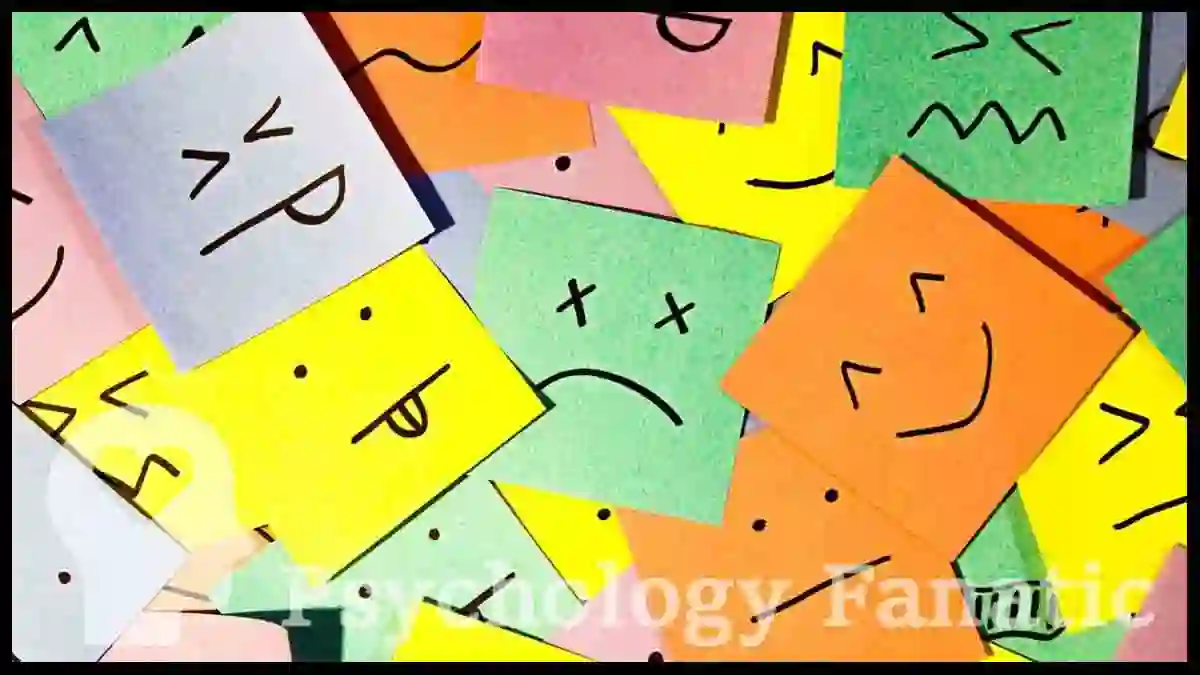
Discrete Emotion Theory and Its Key Principles
Discrete Emotion Theory proposes that humans experience a limited set of fundamental emotions, each with distinct biological, physiological, and behavioral characteristics. This perspective contrasts with dimensional theories, which view emotions as existing on a continuum of valence (pleasantness vs. unpleasantness) and arousal.
Discrete Emotion Theory posits that these basic emotions, such as joy, sadness, anger, fear, disgust, and surprise, are innate and universal across cultures. Each emotion is believed to be associated with specific facial expressions, physiological changes (like heart rate and breathing), and behavioral tendencies. For example, fear is typically associated with increased heart rate, rapid breathing, and a tendency to flee or freeze. This theory suggests that these emotions evolved to serve specific adaptive functions, such as promoting survival and facilitating social interactions.
Discrete Emotion Theory has significant implications for our understanding of human behavior. It provides a framework for classifying and understanding the complex tapestry of human emotions, offering insights into their underlying biological and psychological mechanisms. By recognizing the distinct nature of basic emotions, we can gain a deeper understanding of how they influence our thoughts, feelings, and behaviors in various contexts.
Key Definition:
Discrete Emotion Theory proposes that humans experience a limited set of fundamental emotions, each with distinct biological, physiological, and behavioral characteristics. This perspective posits that these basic emotions, such as joy, sadness, anger, fear, disgust, and surprise, are innate and universal across cultures. Each emotion is believed to be associated with specific facial expressions, physiological changes (like heart rate and breathing), and behavioral tendencies.
Introduction: Exploring the Fundamental Emotions That Shape Human Experience
The Discrete Emotion Theory is a significant concept in the field of psychology, which postulates that human emotions are complex, but can be categorized into a set of distinct, basic emotions. This theory was first proposed by psychologist Silvan Tomkins in the 1960s and later expanded upon by researchers such as Paul Ekman and Carroll Izard.
Charles Darwin wrote: “Whenever the same movements of the features or body express the same emotions in several distinct races of man, we may infer with much probability, that such expressions are true ones,—that is, are innate or instinctive” (Darwin, 1872).
Daniel Siegel, a clinical professor of psychiatry at the UCLA School of Medicine, explains:
“The differentiation of primary emotional states into specific classifications of emotions, such as fear, brings us to the more familiar yet debated theory of ‘categorical emotions.’ ‘Categorical,’ ‘basic,’ and ‘discrete’ are terms commonly used for those classifications of sensations that have been found universally throughout human cultures, such as sadness, anger, fear, surprise, or joy” (Siegel, 2020).
The Fundamentals of Discrete Emotion Theory
The essence of the Discrete Emotion Theory lies in its assertion that all human emotions can be broken down into a limited number of discrete emotions. The discrete theory considers these emotions to be innate and universally experienced across different cultures and societies. The theory identifies a small number of core emotions that serve as the building blocks for all other emotional experiences. Plato recognized four closely related basic emotions: hope, fear, joy, and sadness (Nesse, 2019).
Siegel wrote that basic emotions include both primary and categorical emotions as “value-based responses to internal or external events and are thought to be products of the right hemisphere.” He lists these primary feeling states as sadness, anger, fear, disgust, surprise, interest/excitement, enjoyment/joy, and shame (Siegel, 2020).
Antonio Damasio, a distinguished Portuguese neuroscientist, while he doesn’t necessarily suggest a neurological basic grouping of emotions, suggests individuals commonly refer to a small set of specific emotions. Damasio wrote that the primary (or basic) emotions are easier to define because there is “an established tradition of lumping certain prominent emotions in this group.” He presents fear, anger, disgust, surprise, sadness, and happiness as part of this grouping. (Damasio, 2003).
Many agree that we have a fundamental foundation of primary emotions but debate over which exact emotions comprise this basic list. Randolph Nesse wrote that we can pick any number of basic emotions and “find an expert who will agree” (Nesse, 2019).
Core Emotions
While researchers disagree on the exact number of discrete emotions, they commonly recognize the following emotions as fundamental.
- Happiness: Often associated with positive experiences, happiness expresses feelings of joy, contentment, and satisfaction. It plays a crucial role in promoting social bonds and overall well-being.
- Sadness: Research typically links this emotion to loss, disappointment, or unfavorable events. Sadness can lead to introspection and can help individuals process and cope with negative experiences.
- Fear: Arising in response to perceived threats or danger, fear triggers a range of physiological responses that prepare the body for fight or flight. It is essential for survival and helps individuals avoid harm.
- Anger: Anger is often a reaction to perceived injustice or frustration. It can motivate individuals to address and rectify problems but can also lead to aggression if not managed properly.
- Disgust: This emotion is triggered by repulsive stimuli, such as foul odors, tastes, or moral transgressions. Disgust serves to protect individuals from harmful substances and behaviors.
- Surprise: Surprise occurs when an individual encounters unexpected events. It can be positive or negative and often leads to heightened attention and cognitive processing.
Biological Basis of Emotions
Advocates of the Discrete Emotion Theory argue that these core emotions have a biological foundation.
Facial Expressions and the Basic Emotions
Tomkins believed that research on basic emotions should begin with exploration of facial expressions. He wrote, “It is my belief that we must return to Charles Darwin’s classic The Expression of the Emotions in Man and Animals. We must pursue Darwin’s inquiries with the aid of the modem ultra-rapid moving picture camera. Modem photography has put into the hands of the investigator a time microscope which can amplify facial responses up to a million frames per second” (Tomkins, 1962).
Research has shown that specific emotions are associated with particular facial expressions, physiological responses, and even neural activity patterns. For instance, Paul Ekman’s studies on facial expressions demonstrated that people worldwide can reliably identify emotions such as happiness, sadness, fear, and anger based on facial cues alone.
Ekman wrote:
“The face is the location for sensory inputs, life-necessary intake, and communicative output. The face is the site for the sense receptors of taste, smell, sight, and hearing; the intake organs for food, water, and air. It is the output location for speech. The face is also commanding because of its role in early development; it is prior to language in the communication between parent and child” (Ekman, 1972).
However, the research is far from indisputable. Expressions are far from simple.
Ekman wrote that the face is not just a multi signal system (rapid, slow, static) but also “a multi message system.” The face “broadcasts messages about emotion, mood, attitudes, character, intelligence, attractiveness, age, sex, race, and probably other matters as well” (Ekman & Friesen, 1975).
Infant Expressions of Emotion
Discrete Emotion Theory posits that basic emotions are innate and universally expressed, and infant emotional expressions are often cited as strong evidence for this view. Even from a very young age, infants display recognizable facial expressions that correspond to distinct emotional states, mirroring those observed in adults across cultures. For example, a baby experiencing pleasure, whether from gentle touch or a sweet taste, will often display a genuine smile, involving both the mouth and crinkling around the eyes (Duchenne smile).
Conversely, when distressed, perhaps due to hunger or discomfort, an infant’s face may contort into a cry face, with furrowed brow, downturned mouth, and tense features, clearly signaling sadness or distress. Discrete theorists do not see these early displays as random or learned imitations, but rather as biologically programmed patterns of facial muscle movements linked to specific underlying emotions.
Beyond happiness and sadness, infants also exhibit expressions consistent with other discrete emotions. We can see surprise in wide-eyed gazes and raised eyebrows in response to unexpected stimuli. Disgust causes a wrinkled nose and a slightly open mouth upon exposure to unpleasant tastes or smells. Fear can manifest in widened eyes, furrowed brows, and a tense mouth, especially in response to sudden loud noises or looming figures.
While interpreting infant emotions can be nuanced and context-dependent, proponents of discrete emotion theory argue that these recognizable and consistent facial expressions, emerging early in development, point to the innate and universal nature of basic emotions and their expressions, supporting the core tenets of the theory.
Functions of Basic Emotions
Each discrete emotion serves a unique function and has evolved to help humans navigate their environment and social interactions. Understanding the role of these emotions can provide insights into why we experience them and how they influence our behavior.
Happiness
Approach Behaviors
Happiness, as a discrete emotion, plays a vital role in human experience, extending far beyond mere fleeting pleasure. Its primary function is fundamentally linked to motivation and approach behavior. Happiness signals to us that we are progressing towards valued goals, experiencing positive outcomes, or engaging in activities that are beneficial for our well-being. This emotional “green light” encourages us to continue on our current path, reinforcing behaviors that promote success and resource acquisition. From an evolutionary perspective, happiness likely evolved to reward adaptive behaviors, such as cooperation, social bonding, skill development, and exploration of new opportunities.
Positive emotions, such as happiness, because of the motivation to approach can “build a variety of enduring personal resources” (Fredrickson et al., 2000, p. 239). Happiness acts as an internal compass, guiding us towards actions that enhance our survival and reproductive prospects by motivating us to seek out and repeat experiences that are beneficial in the long run.
See Broaden and Build Theory for more on this topic
Undoing Effect
Robert W. Levenson suggested that, “The evolutionary meaning of positive emotions such as happiness might be to function as efficient ‘undoers’ of states of ANS arousal produced by certain negative emotions” (Levenson, 1988, p. 23). In psychology, we refer to this as the “undoing effect.”
The undoing effect theory proposes that positive emotions, like happiness and joy, have a specific and important function: to physiologically and psychologically “undo” the lingering effects of negative emotions. Negative emotions, such as fear and anxiety, often trigger the body’s “fight-or-flight” response, characterized by physiological changes like increased heart rate, blood pressure, and muscle tension. While these responses are adaptive in acute danger, prolonged or frequent activation can be detrimental to health and well-being (Barrett, 2020).
The undoing effect suggests that experiencing positive emotions after a negative emotional event helps the body return to its baseline state more quickly and efficiently, counteracting the cardiovascular and hormonal aftereffects of stress and fear (Fredrickson & Levenson, 1998).
Happiness, in particular, is thought to play a key role in this undoing process. Research supporting this theory has demonstrated that after experiencing a stressful or anxiety-provoking situation, individuals who subsequently experience positive emotions, such as amusement or contentment, show faster cardiovascular recovery compared to those in neutral or negative emotional states. This “undoing” is not just about feeling good; it’s about a genuine physiological shift back towards balance and homeostasis.
By accelerating recovery from the physiological strain of negative emotions, happiness and other positive emotions contribute to greater emotional regulation, resilience, and ultimately, improved physical and mental health over time.
Social Functions
Furthermore, happiness fosters crucial social functions. It promotes social bonding and cooperation by making interactions more positive and rewarding. Happy individuals tend to be more prosocial, generous, and willing to help others, strengthening social networks and group cohesion, which were essential for survival in human ancestral environments.
Happiness is also a signal to others that we are approachable, safe, and potentially valuable social partners. Beyond the immediate moment of joy, the experience of happiness has lasting benefits. It broadens our thinking, encourages creativity and exploration, and promotes resilience in the face of adversity.
Sadness
Sadness, while undeniably a painful emotion, serves critical functions within the human emotional repertoire. Its primary role centers around signaling significant loss or irreversible negative change. When we experience sadness, it often indicates a loss of something valued—a loved one, a relationship, a possession, an opportunity, or even a sense of self or hope. This emotional signal prompts a crucial internal shift: it encourages withdrawal from current pursuits that are no longer yielding positive outcomes and initiates a process of internal evaluation and resource reallocation.
In essence, sadness helps us to disengage from what we’ve lost, conserving energy and emotional resources that can then be redirected toward adapting to the new reality and potentially pursuing new goals or sources of fulfillment.
Sadness also plays a vital role in social connection and support. The outward expression of sadness, often through facial expressions and vocalizations, serves as a powerful signal to others that we are in distress and in need of comfort and assistance. This social signal can elicit empathy and compassion from those around us, prompting them to offer support, resources, and social connection during a time of vulnerability.
See Sadness for more on this emotion
Fear
Fear, as a fundamental discrete emotion, serves a vital and undeniably crucial function: survival. Its primary purpose is to detect and respond to threats, both immediate and potential, in our environment. Fear acts as an instantaneous alarm system, triggered by the perception of danger, whether it be physical, social, or even psychological. This alarm system initiates a cascade of physiological and psychological responses designed to maximize our chances of survival in the face of threat. From an evolutionary standpoint, fear is deeply ingrained, providing an immediate and often life-saving mechanism for reacting to perilous situations. Evolutionary scientists suggest that elements that have threatened human well-being throughout history lead to a biological fear response.
Joseph LeDoux wrote:
“Fear feelings and pounding hearts are both effects caused by the activity of the emotional system, which does its job unconsciously—literally, actually before we know we are in danger. The system that detects danger is the fundamental mechanism of fear, and the behavioral, physiological, and conscious manifestations are the surface responses it orchestrates” (LeDoux, 2015, p. 18).
Richard J Davidson and Sharon Begley wrote:
“The amygdala plays a key role in fear and anxiety, responding to threatening events in the environment. Heightened activation in the amygdala reflects an important characteristic of behaviorally inhibited children as well as adults: They are hypervigilant, constantly on the lookout for potential threats and sources of danger” (Davidson & Begley, 2012).
Mobilizing Action
The function of fear is not simply to feel unpleasant; it’s to mobilize us for action. Upon experiencing fear, our attention becomes laser-focused on the perceived threat, and our sensory awareness heightens. The perceptions of threat automatically ignite physiological changes, priming our body for either fight or flight.
This physiological preparedness allows for rapid responses – to flee from a predator, to defend oneself against aggression, or to avoid situations deemed dangerous. Fear is not limited to tangible physical threats; it also plays a role in navigating social complexities. Biological changes prompt us to avoid social exclusion or threats to our social standing.
See Psychology of Fear for more information on this emotion
Anger
Anger, as a core discrete emotion, serves a powerful and crucial function: to mobilize us to address perceived injustices, obstructions, or violations. It arises when we encounter something blocking our goals, threatening our well-being, or violating our sense of what is right and fair. Leslie Greenberg explains that, “Primary anger, or anger in response to violation, is essential; it must be validated and its expression encouraged” (Greenberg, 2015).
Todd Kashdan and Robert Biswas-Diener wrote that anger often “dramatically alters other people’s behavior, most often causing them to retreat, or compromise quickly.” For this very reason, anger—and other negative feelings—are sometimes “more appropriate than positivity” (Kashdan & Biswas-Diener, 2015).
Anger acts as a surge of energy, focusing our attention on the perceived offense and fueling a drive to overcome the obstacle or rectify the situation. This emotion motivates us to assert ourselves, challenge what we deem unacceptable, and fight for what we believe is rightfully ours. Experiencing anger ignites a readiness for action, whether that be verbal confrontation, physical defense, or strategic problem-solving to remove the source of frustration and restore a sense of control.
Anger also plays a significant social role. The expression of anger communicates displeasure, conveys boundaries, and signals to others that a transgression has occurred. This communication can be essential in social interactions, allowing individuals to assert their needs, protect their rights, and negotiate for fair treatment. Anger, when expressed constructively, can be a catalyst for social change, prompting others to acknowledge wrongdoing and adjust their behavior. While unchecked or misdirected anger can be destructive, its fundamental function is adaptive: it empowers individuals to stand up for themselves and advocate for fairness within their social environment, contributing to the maintenance of social order and individual well-being.
Disgust
Disgust, as a fundamental discrete emotion, serves a crucial function in protecting us from harm, primarily through avoidance of contamination and disease. Its core purpose is to detect and repel things that are perceived as potentially toxic, infectious, or otherwise harmful to our health. This protective function is evident in the typical disgust response: a wrinkled nose, slightly open mouth, and sometimes even nausea.
These physical reactions are thought to have evolved to minimize sensory intake of potentially dangerous substances, reducing exposure to pathogens and toxins that could cause illness or death. From an evolutionary perspective, disgust is a vital survival mechanism that helps us avoid ingesting or coming into contact with things that could compromise our physical well-being.
Social and Moral Disgust
Marsha Nussbaum explains:
“The core idea in disgust is that of (potential) contamination through contact or ingestion: if I take in what is base, that debases me. In a secondary phase, disgust properties are projected onto groups of humans who do not really have those properties: racial, sexual, religious, or caste minorities are portrayed as hyper-animal or hyper-bodily, and are then said to be contaminants on the grounds that they are (allegedly) smelly, germy, etc.” (Nussbaum, 2018).
However, the function of disgust extends beyond just physical contamination. It also plays a role in the social and moral realms. People feel disgust at offensive behaviors or social violations. We judge these actions as immoral or “contaminating” to group values and social order. “Moral disgust” then aids in enforcing societal rules. It signals disapproval of harmful behaviors, thus maintaining group unity. Expressing disgust, especially through facial cues, is a powerful signal. It shows others what a community finds offensive. It also strengthens shared values.
The expression of disgust, particularly the universally recognized facial expression, serves as a powerful communicative signal to others, indicating what is considered offensive and reinforcing shared values within a community. Therefore, disgust functions not only to protect us from physical harm but also to navigate complex social landscapes and maintain moral order.
Surprise
Surprise, as a fundamental discrete emotion, plays a critical role in our interaction with the ever-changing world around us. Its primary function is to orient us to unexpected and novel events. When something surprising occurs, whether a sudden loud noise or an unexpected sight, surprise acts as a rapid interrupt signal. This signal momentarily halts our ongoing cognitive and behavioral processes, effectively “resetting” our attention and resources. This interruption is vital because it allows us to immediately focus our sensory and cognitive systems on the unexpected event to assess its significance and determine if further action is required.
Beyond simply interrupting our current state, surprise also prepares us for subsequent emotional responses. The initial facial expression of surprise – wide eyes, raised eyebrows, and an open mouth – facilitates heightened sensory intake, allowing us to gather as much information as possible about the unexpected event.
Higher-Order Emotions
Building upon the foundation of basic emotions, discrete emotion theory also acknowledges the existence of “higher-order emotions,” which are understood as more complex emotional experiences derived from combinations and cognitive elaborations of the basic set. As Joseph LeDoux points out, the process of “mixing basic emotions into higher order emotions is typically thought of as a cognitive operation” (LeDoux, 2015).
This highlights a key distinction: while basic emotions are often seen as more biologically fundamental and potentially shared across species, higher-order emotions are considered to be more uniquely human, requiring more sophisticated cognitive processing for their emergence and experience. These are not simply stronger or weaker versions of basic emotions, but qualitatively different experiences built upon them.
The “cognitive operation” LeDoux mentions refers to the mental processes that layer onto and combine basic emotions to create these more nuanced emotional states. This involves self-awareness, social understanding, moral reasoning, and abstract thought. For example, pride blends joy and self-consciousness. It requires us to cognitively appraise our actions. We also assess their social value. Similarly, guilt mixes fear and sadness. Guilt also intertwines with moral understanding. We understand we broke a social or personal rule.
Emotions like love, jealousy, and shame are also often cited as higher-order emotions, representing sophisticated blends and cognitive interpretations of more fundamental affective building blocks. This hierarchical model suggests that while basic emotions provide the foundational palette of human feeling, higher-order emotions, constructed through cognitive processing, are crucial for the richness and complexity of human emotional life, particularly in social and self-reflective contexts.
Critiques and Alternatives
Component Process Model
While the Discrete Emotion Theory has been influential, it is not without its critics. Some researchers argue that emotions are not distinct categories but exist on a continuum, with complex emotions arising from combinations of basic ones. The Component Process Model, for example, suggests that emotions result from the dynamic interplay of various cognitive, physiological, and behavioral components (Murphy, 2025).
Appraisals
In contrast to Discrete Emotion Theory, the Component Process Model offers an alternate perspective, suggesting that emotions are not innate, pre-packaged units, but rather arise from a dynamic and continuous process of appraisal. Instead of focusing on a fixed set of basic emotions with hardwired expressions, this model emphasizes that emotions emerge from our ongoing evaluation and interpretation of events in relation to our goals and well-being.
According to the Component Process Model, emotion is a process of construction. This construction happens through appraisals. We appraise events on dimensions like novelty, pleasantness, and goal relevance. We also assess coping potential and normative significance. These appraisals shape our emotions. It is the pattern of appraisals across these components that ultimately shapes the specific emotional experience.
This approach views emotions as more fluid and context-dependent than discrete emotion theory. Rather than fitting neatly into categories like “fear” or “sadness,” emotions are seen as varying along continuous dimensions and being highly responsive to individual interpretations and situational factors.
The Component Process Model offers a framework that allows for a richer and more nuanced understanding of the vast spectrum of human emotions, emphasizing their dynamic, adaptive, and individually variable nature, in contrast to the more categorical and universalistic approach of Discrete Emotion Theory.
Emotion Construct Theories
Valence and Arousal
Valence and Arousal offer a fundamentally different way of understanding emotion compared to Discrete Emotion Theory. Instead of distinct, pre-programmed emotional categories, this approach proposes that emotions are best described and understood along two continuous, underlying dimensions: Valence and Arousal (Murphy, 2024).
Valence refers to the pleasantness or unpleasantness of an emotion, essentially ranging from very positive to very negative feelings. Siegel explains, “at the most basic level, valence can be labeled as good and involve approach, or can be labeled as bad and involve withdrawal” (Siegel, 2020). For example, joy and happiness are high on the positive valence end, while sadness and anger are on the negative valence end. Arousal, on the other hand, refers to the intensity or activation level associated with an emotion. It ranges from low arousal states like calmness and relaxation to high arousal states like excitement and panic.
Cognitive Labels
Once we experience some combination of valence and arousal, we often slap a label on the experience. “Implicit emotion, or bodily felt sensations, can be transformed into discrete conscious experiences of specific emotions by putting the felt sensations into words” (Greenberg, 2015). Lisa Barrett explains, “emotions are meaning. They explain your interoceptive changes and corresponding affective feelings, in relation to the situation. They are a prescription for action” (Barrett, 2018, p. 126).
In the Valence-Arousal model, emotions are not distinct “kinds.” The model positions them as points on a two-dimensional plane. Take “fear” and “anger” as examples. Discrete Emotion Theory separates them, but Valence-Arousal groups them. It shows they share high arousal and negative valence, differing only in minor aspects. This model suggests that our emotional experience is fundamentally dimensional and graded, rather than categorical. Instead of asking “Is this fear or anger?”, the Valence-Arousal approach asks “How positive or negative is this feeling?” (valence) and “How intense or activating is it?” (arousal).
This dimensional view offers a more parsimonious and flexible way to map the broad landscape of human emotion, contrasting sharply with the discrete emotion theory’s emphasis on distinct, innate categories.
Cultural Differences
A significant challenge to Discrete Emotion Theory arises from the observable cultural variations in emotional expression and recognition. DET claims basic emotions and their facial expressions are universal and hardwired. However, cross-cultural research reveals nuance and differences in emotional expression and interpretation. If emotional expressions were truly universal and innate, we would expect to see consistent and identical patterns of expression and recognition across all human populations. Studies in anthropology and psychology have shown culture’s impact on emotions. Cultural norms, values, and social contexts actively shape emotional display, regulation, and understanding.
The idea of “display rules” reveals cultural variability. Different cultures create these display rules. These rules dictate the appropriate times, places, and ways to express or suppress emotions. For example, some cultures encourage emotional expression more than others. This encouragement (or discouragement) particularly varies for specific emotions or social settings. Some cultures may emphasize emotional restraint and stoicism, while others may value outward emotional expressiveness.
These culturally learned display rules can significantly modify the facial expressions associated with emotions, leading to variations in how emotions are outwardly presented. Furthermore, there is evidence suggesting cultural differences in emotion recognition accuracy, implying that the interpretation of facial expressions may not be as universal as Discrete Emotion Theory initially proposed. These findings suggest that cultural learning and social context play a more substantial role in shaping emotional expression than a purely biological, universalist account allows for, directly challenging the core tenets of Discrete Emotion Theory.
A Few Words by Psychology Fanatic
So, as we’ve journeyed through the landscape of Discrete Emotion Theory, we’ve encountered a compelling idea: that beneath the swirling complexity of our emotional lives lies a foundation of core, fundamental emotions. Imagine them as the primary colors on an artist’s palette – joy, sadness, anger, fear, disgust, and surprise. These aren’t fleeting feelings, but rather deeply rooted, biologically driven systems that have shaped human experience for millennia. They are the universal language of the human heart, expressed in smiles that transcend borders and cries understood across cultures, guiding our actions and coloring our perceptions of the world from infancy onward.
Understanding Discrete Emotion Theory offers a powerful lens through which to view ourselves and others. It reminds us that our emotional responses are not arbitrary, but rather evolved mechanisms designed to navigate the intricate tapestry of life, both its joys and its challenges. These basic emotions, while sometimes simplified in everyday language, are in fact sophisticated tools that have equipped us for survival, social connection, and meaningful engagement with our surroundings.
By recognizing and appreciating the fundamental nature of these discrete emotions, we gain a richer understanding of the human experience, paving the way for greater empathy, self-awareness, and perhaps, a deeper appreciation for the shared emotional heritage that binds us all.
Last Update: April 24, 2026
Associated Concepts
- Richard Lazarus’s Cognitive-Appraisal Theory: This theory describes how emotions originate from our interpretations of external stimuli, through primary and secondary appraisals. Primary appraisal assesses an event’s personal significance, while secondary appraisal evaluates coping abilities.
- Emotion Differentiation: This refers to the ability to recognize, understand, and manage one’s own emotions, as well as the emotions of others. It involves being able to discern between different feelings and express them appropriately.
- Pleasure-Arousal-Dominance Model: This model of emotions is a psychological framework that aims to describe and measure emotional states based on three key dimensions: pleasure-displeasure, arousal-nonarousal, and dominance-submissiveness.
- Cognitive-Arousal Theory: This theory posits that emotional experiences are the result of both physiological arousal and the cognitive interpretation of that arousal. This theory suggests that an individual’s cognitive appraisal of a situation and arousal influences the experienced emotional response.
- Cannon and Bard Theory of Emotion: This theory of emotion proposed by physiologist Walter Cannon and psychologist Philip Bard in the 1920s, suggests that physiological arousal and emotional experiences occur concurrently yet independently.
- Schachter-Singer’s Two-Factor Theory of Emotion: According to this theory, physical arousal and a cognitive label of the arousal create the perception of an emotion.
References:
Barrett, Lisa Feldman (2018). How Emotions Are Made: The Secret Life of the Brain. Mariner Books; Illustrated edition. ISBN-10: 1328915433; APA Record: 2017-26294-000
(Return to Main Text)
Barrett, Lisa Feldman (2020). Seven and a Half Lessons About the Brain. Houghton Mifflin Harcourt. ISBN-10: 035864559X
(Return to Main Text)
Damasio, Antonio (2003). Looking for Spinoza: Joy, Sorrow, and the Feeling Brain. Harvest; First Edition. ISBN: 9780156028714
(Return to Main Text)
Darwin, Charles (1872/2009). The Expression of the Emotions in Man and Animals. Penguin Classics. ISBN-13: 978-0141439440; DOI: 10.1037/10001-000
(Return to Main Text)
Davidson, Richard J.; Begley, Sharon (2012). The Emotional Life of Your Brain: How Its Unique Patterns Affect the Way You Think, Feel, and Live—and How You Can Change Them. Avery; 1st edition. ISBN: 9780452298880
(Return to Main Text)
Ekman, Paul; Friesen, Wallace V. (1975). Unmasking the Face: A Guide to Recognizing Emotions From Facial Expressions. Malor Books. ISBN-10: 1883536367; APA Record: 1975-31746-000
(Return to Main Text)
Key Reading:
Ekman, Paul (1972). Emotion in the Human Face Malor Books. ISBN: 9781933779829
(Return to Main Text)
Fredrickson, B. L.; Levenson, R. (1998). Positive Emotions Speed Recovery from the Cardiovascular Sequelae of Negative Emotions. Cognition & Emotion, 12(2), 191-220. DOI: 10.1080/026999398379718
(Return to Main Text)
Fredrickson, B. L.; Mancuso, R. A.; Branigan, C; Tugade, M. M. (2000). The undoing effect of positive emotions. Motivation and Emotion 24, 237–258. DOI: 10.1023/A:1010796329158
(Return to Main Text)
Greenberg, Leslie S. (2015). Emotion-Focused Therapy: Coaching Clients to Work Through Their Feelings. American Psychological Association; 2nd edition. DOI: 10.1037/14692-000; ISBN-10: 1433840979
(Return to Main Text)
Kashdan, Todd; Biswas-Diener, Robert (2015). The Upside of Your Dark Side: Why Being Your Whole Self–Not Just Your “Good” Self–Drives Success and Fulfillment. Plume; Reprint edition. ISBN-10: 0147516447
(Return to Main Text)
LeDoux, Joseph (2015). The Emotional Brain: The Mysterious Underpinnings of Emotional Life. Simon & Schuster. ISBN-10: 0684836599; APA Record: 1996-98824-000
(Return to Main Text)
Levenson, R. W. (1988). Emotion and the autonomic nervous system: A prospectus for research on autonomic specificity. In H. L. Wagner (Ed.), Social psychophysiology and emotion: Theory and clinical applications (pp. 17–42). John Wiley & Sons. ISBN: 9780471912668; APA Record: 1988-97882-000
(Return to Main Text)
Murphy, T. Franklin (2025). Klaus Scherer’s Component Process Model: Understanding the Dynamics of Emotions. Psychology Fanatic. Published: 2-6-2025; Accessed: 3-9-2025. Website: https://psychologyfanatic.com/klaus-scherers-component-process-model/
(Return to Main Text)
Murphy, T. Franklin (2024). The Fascinating Framework: Circumplex Model of Arousal and Valence. Psychology Fanatic. Published: 8-26-2024; Accessed: 3-10-2025. Website: https://psychologyfanatic.com/circumplex-model-of-arousal-and-valence/
(Return to Main Text)
Nesse, Randolph M. (2019). Good Reasons for Bad Feelings: Insights from the Frontier of Evolutionary Psychiatry. Dutton; 1st edition. ISBN-10: 0141984910
(Return to Main Text)
Nussbaum, Martha C. (2018). Anger and Forgiveness: Resentment, Generosity, Justice. Oxford University Press; Reprint edition. DOI: 10.1177/0040571X17719679; ISBN: 9780190907266
(Return to Main Text)
Siegel, Daniel J. (2020). The Developing Mind: How Relationships and the Brain Interact to Shape Who We Are. The Guilford Press; 3rd edition. ISBN-10: 1462542751; APA Record: 2012-12726-000
(Return to Main Text)
Tomkins, Silvan Solomon (1962). Affect, Imagery, Consciousness. Volume: 1. Springer Publishing. Company. ISBN: 9780826105424; APA Record: 2013-25135-000
(Return to Main Text)