
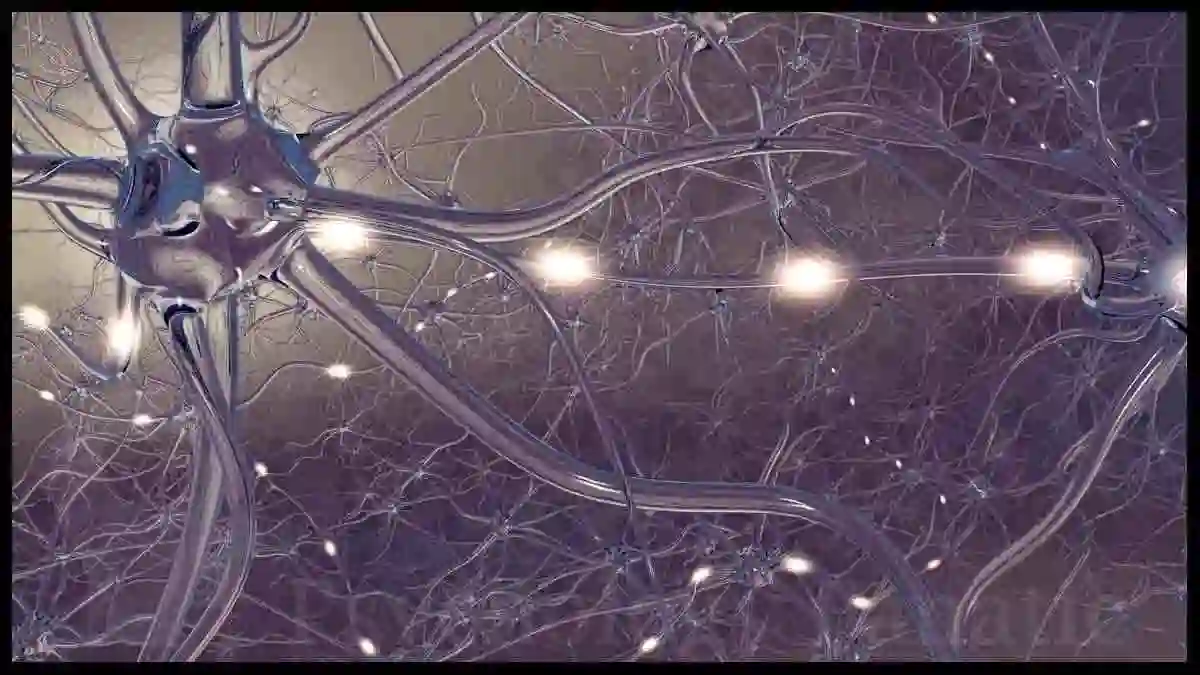
The Role of Dopamine in Producing Pleasure and Motivating Behavior
The human experience is a symphony of sensations, a constant interplay of emotions and drives. At the heart of this intricate orchestration lies dopamine, a neurotransmitter often dubbed the “pleasure chemical.” But dopamine’s role is far more nuanced than simply delivering fleeting moments of joy. This multifaceted molecule acts as a powerful motivator, driving us to seek out rewards, learn from our experiences, and ultimately, strive for a better future. It’s the invisible force behind our passions, our ambitions, and our very survival. From the simple satisfaction of a delicious meal to the exhilarating pursuit of a lifelong dream, dopamine fuels our every action, shaping who we are and how we navigate the world around us.
Delving deeper, we’ll explore how dopamine’s influence extends beyond the realm of pleasure. This neurotransmitter plays a crucial role in learning and memory, enabling us to associate certain behaviors with positive outcomes. It reinforces desirable actions, encouraging us to repeat them and ultimately, develop valuable skills and habits. Moreover, dopamine dysregulation has been implicated in various neurological and psychiatric conditions, including addiction, Parkinson’s disease, and depression. Understanding the intricate workings of this powerful neurotransmitter is not only crucial for unraveling the mysteries of the human mind but also for developing effective treatments for a range of debilitating disorders.
In this article, we will embark on a journey into the fascinating world of dopamine, exploring its intricate role in producing pleasure, motivating behavior, and shaping our very existence. We will delve into the complex interplay between dopamine and other neurotransmitters, examine the impact of dopamine on learning and memory, and discuss the potential implications of dopamine dysregulation for human health and well-being.
Key Definition:
Dopamine is a neurotransmitter, a chemical messenger in the brain, that plays a crucial role in various bodily functions. It acts as a reward signal, motivating us to seek out pleasurable experiences and reinforcing behaviors that lead to desired outcomes. Dopamine also influences movement, attention, learning, and memory.
Introduction: Exploring the Brain’s Reward System
Dopamine is a neurotransmitter that plays a crucial role in the brain’s reward system, influencing both pleasure and motivation. As a chemical messenger, it transmits signals between neurons, affecting various physiological functions and behaviors. This vital neurotransmitter not only contributes to feelings of enjoyment and satisfaction in response to rewarding stimuli, such as food and social interactions, but also plays a significant part in regulating mood and emotional well-being. Additionally, dopamine is involved in learning processes, as it reinforces behaviors by providing pleasurable feedback when we achieve specific goals. Dysregulation of dopamine levels is linked to various neurological and psychiatric disorders, including depression, schizophrenia, and Parkinson’s disease, highlighting its importance in maintaining cognitive health and overall emotional balance .
The Biochemical Nature of Dopamine
Dopamine (DA) is produced in several areas of the brain, including the substantia nigra and the ventral tegmental area. DA in the nucleus accumbens (NAc) regulates motivation and the “wanting” to expend effort to obtain a reward (Ruiz et al., 2022).
It is synthesized from the amino acid tyrosine, which is converted into L-DOPA and then into dopamine. Once released, dopamine binds to its receptors on neighboring neurons, initiating a cascade of cellular responses.
Dopamine Receptors
There are five main types of dopamine receptors (D1, D2, D3, D4, and D5), each with distinct roles and mechanisms. D1 and D2 receptors are the most abundant and have opposing effects: D1 receptors generally stimulate neuronal activity, while D2 receptors inhibit it. The balance between these receptors is crucial for normal brain function and behavior.
Dopamine’s Role in Pleasure
Dopamine is often referred to as the “feel-good” neurotransmitter due to its role in producing pleasurable sensations. When we engage in activities that are enjoyable or rewarding, such as eating, socializing, or engaging in hobbies, dopamine levels in the brain increase, leading to feelings of pleasure and satisfaction.
The Reward System
The brain’s reward system is a complex network of neurons that use dopamine to signal the occurrence of rewarding stimuli. This intricate system not only serves as a foundational element of our motivation but also plays a crucial role in learning and decision-making. The mesolimbic pathway, which runs from the ventral tegmental area to the nucleus accumbens, is particularly important in this process, acting as a key player in processing pleasurable experiences and reinforcing certain behaviors.
When dopamine is released in this pathway, it reinforces behaviors by creating a sense of pleasure and reward, which encourages individuals to repeat actions that lead to those feelings.
Susan Schneider explains:
“When tiny amounts of the brain chemical dopamine were provided right after a neuron fired, the neuron fired more often. Given a short delay between the firing and the dopamine dose, the response wasn’t as strong. When no dopamine was given, the neuron slowed down considerably. In this way, some of the main characteristics of behavior that’s reinforced also occur in individual neurons” (Schneider, 2012).
This interplay of neurons and neurotransmitters also highlights the significance of the reward system in addiction, where substances can hijack these natural processes, leading to repeated engagement in behaviors that can be harmful in the long run. Understanding this system reveals much about human behavior and the underlying mechanisms that influence our choices in daily life.
Experiencing Pleasure
Dopamine’s effects on pleasure are not just about the immediate sensation of enjoyment; they extend far beyond to shape our behaviors and decision-making processes. It plays a crucial role in our brain’s reward system, which helps motivate us to seek out activities that bring satisfaction and happiness.
This complex interplay not only evokes feelings of pleasure but also helps us learn to associate certain behaviors with positive outcomes, reinforcing our understanding of what is beneficial. This process, known as reinforcement learning, involves the strengthening of neural pathways that link specific actions to rewarding experiences, effectively creating a roadmap of behaviors that we are likely to repeat. Over time, as these pathways become more entrenched, this leads to the development of habits and preferences that drive our daily choices and lifestyle, influencing everything from our eating patterns to our social interactions and personal goals. Understanding this intricate relationship between dopamine and pleasure can offer valuable insights into human behavior and motivation.
See Behavioral Reinforcement for more on this topic
Dopamine and Motivation
While dopamine’s role in pleasure is well-known, its influence on motivation is equally significant. Motivation can be defined as the drive to achieve goals and pursue activities that are perceived as rewarding. Dopamine plays a central role in this process by modulating the brain’s ability to anticipate and seek out rewards.
The Anticipation of Reward
Dopamine plays a crucial role in how we anticipate and pursue rewards. It acts as a sort of internal prediction system, helping the brain estimate the likelihood and value of potential rewards. When we encounter cues that signal the possibility of a reward – like the smell of freshly baked bread or the sight of a loved one—dopamine neurons fire, preparing us for the anticipated pleasure. This anticipatory surge of dopamine motivates us to take action to obtain the reward, whether it’s walking into the bakery or reaching out to a friend.
This predictive coding mechanism is fundamental for goal-directed behavior. Lisa Feldman Barrett, PhD., a University Distinguished Professor at Northeastern University, explains that prediction is a fundamental process of the brain—not rationality, emotion, imagination, or creativity, or empathy. The brain’s most important job is “to control your body—to manage allostasis—by predicting energy needs before they arise so you can efficiently make worthwhile movements and survive” (Barrett, 2020). Dopamine plays an essential role in prediction.
By anticipating rewards and their associated dopamine signals, we are driven to make choices that maximize our chances of experiencing pleasure and achieving our goals. Joseph LeDoux conducted research that found that dopamine is involved in “anticipatory behaviors (looking for food or drink or a sexual partner) than in consummatory responses (eating, drinking, having sex)” (LeDoux, 2003). This system allows us to learn from past experiences, associating certain actions with positive outcomes and reinforcing those behaviors. For example, if studying consistently leads to good grades (and the associated dopamine release), we are more likely to continue studying diligently in the future.
See Predictive Coding for more on this topic
SEEKING System
Dopamine is a primary element in affective neurosciences‘ SEEKING system. Jaak Panksepp explains that the SEEKING system serves as an active explorer inside the brain “to resources, to make new discoveries, and to serve as a foundation for practically all the libidinal aspirations.” According to Panksepp this “appetitive motivational system” energizes the many engagements with the world as individuals seek “goods from the environment” as well as meaning from the everyday occurrences of life. We can now also recognize this system as “a major foundational substrate for Spinoza’s concept of conatus—a system that energizes our ‘intentions in actions’” (Panksepp, 2009).
See Affective Neuroscience for more on this theory and field of study
Effort and Persistence
Dopamine plays a pivotal role in our drive and ambition. When dopamine levels are high, we feel motivated and energized to pursue our goals. This increased motivation translates to greater persistence in the face of challenges. We’re more likely to put in the extra effort, overcome obstacles, and persevere through setbacks. Dopamine essentially fuels our drive to achieve, making us more likely to take action and strive for success.
Randolph Nesse, an evolutionary psychiatrist, explains:
“The Marginal Value Theorem sets the rhythm of our days. We start an activity with gusto, stay with it awhile, then lose interest and move on to something else. How long we stay depends on the start-up cost…how the payoffs decline with time, and the payoffs of available alternatives. Interestingly, drugs used to treat ADHD increase dopamine, the same substance released in the brain in response to rewards…encouraging persisting at the current task (Nesse, 2019).
Conversely, low dopamine levels can significantly impact our motivation and initiative. With reduced dopamine activity, individuals may experience feelings of apathy, lethargy, and a general lack of interest in pursuing goals. This can manifest as difficulty starting tasks, procrastination, and an overall decline in productivity. In more severe cases, low dopamine levels can contribute to conditions like depression, where individuals experience persistent feelings of sadness, hopelessness, and a loss of interest in activities they once enjoyed.
The Dark Side of Dopamine
While dopamine is essential for pleasure and motivation, imbalances in dopamine signaling can lead to various psychological and behavioral issues. Excessive dopamine activity is linked to conditions such as addiction and mania, while insufficient dopamine is associated with disorders like Parkinson’s disease and depression.
Addiction
Addiction is characterized by compulsive engagement in rewarding behaviors despite negative consequences. Drugs of abuse, such as cocaine and methamphetamine, hijack the brain’s reward system by significantly increasing dopamine levels. This leads to intense feelings of pleasure and reinforces drug-seeking behavior, creating a cycle of addiction.
In the ventral tegmental area (VTA), the neurotransmitter GABA (gamma-aminobutyric acid) helps regulate the dopamine neurons.
Sue Rusche and David Friedman explain:
“When GABA neurons are active, they inhibit dopamine neurons, which therefore release less dopamine. It turns out that these GABA neurons contain opiate receptors, and when opiates bind to these receptors, they prevent the GABA neurons from firing action potentials. Therefore, the GABA neurons send fewer inhibitory signals to the dopamine neurons, and the latter generate more action potentials to release more dopamine from their axon terminals in the nucleus accumbens” (Rusche & Friedman, 1999).
The blocking of GABA receptors, leading to the release of more dopamine intensifies feelings of pleasure and reward. This process leads to the motivation for continued opioid use. Remember that motivation to act is more about predictive markers than pleasurable rewards in the present. Accordingly, in the context of addiction, even after habituation to the influence of opioids in the system have diminished the dopamine rush, the addictive behavior continues chasing those early experiences of pleasure.
Mental Health Disorders
Dopamine dysregulation is implicated in several mental health disorders. An imbalance in the levels or functioning of this dopamine dysregulates a system, leading to a variety of cognitive and behavioral changes.
Here are some key examples:
- Addiction: Substances of abuse, such as drugs and alcohol, can significantly disrupt dopamine signaling in the brain’s reward system. This can lead to compulsive drug-seeking behavior and difficulty breaking free from addiction (Rusche & Friedman, 1999).
- Parkinson’s Disease: This neurodegenerative disorder is primarily caused by the loss of dopamine-producing neurons in the brain. This leads to characteristic motor symptoms like tremors, rigidity, and slow movement (Cramb et al., 2023).
- Schizophrenia: While the exact cause is complex, abnormalities in dopamine signaling, particularly excessive dopamine activity in certain brain regions, are believed to play a significant role in the development of schizophrenia (Wang, 2024).
- Depression: While not solely caused by dopamine imbalances, reduced dopamine activity is implicated in many cases of depression. This can contribute to anhedonia, the loss of interest or pleasure in activities that were once enjoyable (Tamura et al., 2022).
- Attention-Deficit/Hyperactivity Disorder (ADHD): Some research suggests that individuals with ADHD may have differences in dopamine function, particularly in the way their brains utilize dopamine (Dum et al., 2022).
Balancing Dopamine Levels
Maintaining optimal dopamine levels is essential for mental health and wellbeing. Repeatedly over the last couple decades, Psychology Fanatic includes along with the symptoms of a disease lifestyle remedies. While often these remedies are only a part of a larger treatment regime designed by a medical professional, the same lifestyle changes seem to pop up in the research over and over again. A healthy diet and exercise are staple treatments for almost every element.
Diet and exercise build resilience against and aid healing from a wide variety of ailments in both the body and brain. Regulating dopamine levels is one of the connecting links between healthy lifestyles and improved mental and physical health.
Healthy Lifestyle
Diet
A healthy diet can significantly impact gut health and, consequently, dopamine regulation within the gut-brain axis. Here’s how:
- Nourishing the Microbiome: A diet rich in fiber-rich fruits, vegetables, and whole grains provides the necessary fuel for beneficial gut bacteria to thrive. A diverse and balanced gut microbiome is crucial for maintaining healthy communication between the gut and the brain.
- Providing Essential Nutrients: A balanced diet ensures adequate intake of essential nutrients like vitamins (especially B vitamins), minerals (like iron and magnesium), and amino acids (like tyrosine and phenylalanine) that are crucial for dopamine synthesis and neurotransmitter function.
- Reducing Inflammation:
- Anti-inflammatory foods: Incorporating anti-inflammatory foods like fatty fish (rich in omega-3 fatty acids), fruits, vegetables, and spices can help reduce systemic inflammation, which can disrupt gut health and impact dopamine signaling.
- Limiting inflammatory foods: Reducing the intake of processed foods, sugary drinks, and unhealthy fats can help minimize inflammation and maintain a healthy gut environment.
- Maintaining Blood Sugar Levels:
- Prioritizing whole foods: A diet rich in whole foods, such as whole grains, lean proteins, and healthy fats, helps maintain stable blood sugar levels. Fluctuations in blood sugar can negatively impact brain function, including dopamine signaling (Smith et al., 2022; Taş, & Ülgen, 2023).
Physical Activity
Physical activity can have a profound impact on dopamine levels and help prevent dysregulation. Here’s how:
- Triggers Dopamine Release:
- Exercise itself stimulates the release of dopamine in the brain’s reward centers. This “runner’s high” is a well-known phenomenon where physical activity induces feelings of pleasure and euphoria.
- Achieving fitness goals, such as completing a challenging workout or reaching a new personal best, also triggers dopamine release, reinforcing the behavior and motivating further exercise.
- Increases Dopamine Receptor Sensitivity:
- Regular exercise can increase the sensitivity of dopamine receptors in the brain. This means that the brain becomes more responsive to the effects of dopamine, enhancing the feelings of pleasure and reward associated with various activities, not just exercise itself.
- Improves Brain Health:
- Physical activity promotes the growth of new brain cells (neurogenesis) and strengthens existing neural connections. This improved brain health can enhance dopamine function and overall cognitive function.
- Reduces Stress:
- Exercise is a highly effective stress reliever. Chronic stress can negatively impact dopamine levels and contribute to dysregulation. By reducing stress, regular physical activity helps maintain healthy dopamine function (Ruiz et al., 2022; Sarkar et al., 2022).
Physical activity can act as a natural mood booster by directly increasing dopamine levels, enhancing dopamine receptor sensitivity, and improving overall brain health. By incorporating regular exercise into your routine, you can effectively support healthy dopamine function and reduce the risk of dopamine dysregulation.
Medications and Therapies
For individuals with dopamine-related disorders, medications such as dopamine agonists and reuptake inhibitors can help restore balance. Additionally, cognitive-behavioral therapy (CBT) and other therapeutic approaches can address the behavioral and psychological aspects of dopamine dysregulation.
Associated Concepts
- Behavioral Neuroscience: This science is the study of the biological bases of behavior and mental processes. It explores how the brain, nervous system, hormones, and genes influence our thoughts, feelings, and actions.
- Law of Contiguity: This is a fundamental principle in psychology, explains how associations are formed through close succession of stimuli or events.
- Mirror Neuron Theory: This theory suggests that specialized brain cells, known as mirror neurons, activate both when an individual performs an action and when observing the same action in others. This stimulates empathy, imitation, and social cognition, fostering understanding, emotional attunement, and social skills essential for human connection and interaction.
- Sympathetic Nervous System: This is a branch of the autonomic nervous system responsible for the body’s “fight or flight” response. When activated, it increases heart rate, dilates the pupils, and redirects blood flow to the muscles. This system prepares the body for intense physical activity in response to stress or danger.
- Habituation: This refers to the diminishing of a physiological or emotional response to a frequently repeated stimulus. In simpler terms, it is the process through which an organism gradually becomes accustomed to a particular stimulus, leading to a decreased reaction over time.
- Neural Plasticity: Habituation reflects the brain’s ability to adapt to repeated stimuli by altering neural pathways and reducing neurotransmitter release at synapses involved in the response.
- General Adaptation Syndrome: This term is used to describe the body’s response to stress. It was first described by Hans Selye, a pioneering endocrinologist, who identified a common physiological response to various stressors.
- Social Neuroscience: This field of science explores the neural basis of social behavior, integrating psychology, neuroscience, and sociology for insights into human social interaction and behavior.
A Few Words by Psychology Fanatic
In conclusion, dopamine emerges as a pivotal neurotransmitter, orchestrating a symphony of sensations that drive our behaviors, shape our personalities, and ultimately define our human experience. From the simple pleasure of savoring a delicious meal to the exhilarating pursuit of ambitious goals, dopamine fuels our every action, motivating us to learn, grow, and thrive. By understanding the intricate workings of this powerful neurotransmitter, we can gain valuable insights into the complexities of human behavior, develop more effective treatments for mental health disorders, and cultivate a deeper appreciation for the intricate mechanisms that underlie our thoughts, feelings, and actions.
Last Update: October 5, 2025
References:
Barrett, Lisa Feldman (2020) Seven and a Half Lessons About the Brain. Houghton Mifflin Harcourt.
(Return to Article)
Cramb, K., Beccano-Kelly, D., Cragg, S., & Wade-Martins, R. (2023). Impaired dopamine release in Parkinson’s disease. Brain, 146(8), 3117-3132. DOI: 10.1093/brain/awad064
(Return to Article)
Dum, R., Ghahramani, A., Baweja, R., & Bellon, A. (2022). Dopamine Receptor Expression and the Pathogenesis of Attention-Deficit Hyperactivity Disorder: a Scoping Review of the Literature. Current Developmental Disorders Reports, 9(4), 127-136. DOI: 10.1007/s40474-022-00253-5
(Return to Article)
LeDoux, Joseph (2003). Synaptic Self: How Our Brains Become Who We Are. Penguin Books.
(Return to Article)
Nesse, Randolph M. (2019). Good Reasons for Bad Feelings: Insights from the Frontier of Evolutionary Psychiatry. Dutton; 1st edition.
(Return to Article)
Panksepp, Jaak (2009). Brain Emotional Systems and Qualities of Mental Life From Animal Models of Affect to Implications for Psychotherapeutics. In The Healing Power of Emotion: Affective Neuroscience, Development & Clinical Practice. Editors Diana Fosha and Daniel J. Siegel. W. W. Norton & Company; 1st edition.
(Return to Article)
Ruiz-Tejada, A., Neisewander, J., & Katsanos, C. (2022). Regulation of Voluntary Physical Activity Behavior: A Review of Evidence Involving Dopaminergic Pathways in the Brain. Brain Sciences, 12(3). DOI: 10.3390/brainsci12030333
(Return to Article)
Rusche, Sue; Friedman, David P. (1999). False Messengers: How Addictive Drugs Change the Brain. CRC Press; 1st edition.
(Return to Article)
Sarkar, J., Sarkar, A., Dwivedi, Y., & Balaji, M. (2022). Sweat it for sustainability: Impact of physical activity/exercise on sustainable consumption. Psychology & Marketing, 39(11), 2184-2199.
(Return to Article)
Spotlight Book:
Schneider, Susan M. (2012). The Science of Consequences: How They Affect Genes, Change the Brain, and Impact Our World. Prometheus.
(Return to Article)
Smith, D., Jheeta, S., Fuentes, H., & Palacios-Pérez, M. (2022). Feeding Our Microbiota: Stimulation of the Immune/Semiochemical System and the Potential Amelioration of Non-Communicable Diseases. Life, 12(8). DOI: 10.3390/life12081197
(Return to Article)
Tamura, T., Sugihara, G., Okita, K., Mukai, Y., Matsuda, H., Shiwaku, H., Takagi, S., Daisaki, H., Tateishi, U., & Takahashi, H. (2022). Dopamine dysfunction in depression: application of texture analysis to dopamine transporter single-photon emission computed tomography imaging. Translational Psychiatry, 12(1). DOI: 10.1038/s41398-022-02080-z
(Return to Article)
Taş, E., & Ülgen, K. (2023). Understanding the ADHD-Gut Axis by Metabolic Network Analysis. Metabolites, 13(5). DOI: 10.3390/metabo13050592
(Return to Article)
Wang, Kainan (2024). Dopamine in the pathophysiology and treatment of schizophrenia. Proceedings of SPIE, 12924, 1292408-1292408-6. DOI: 10.1117/12.3012854
(Return to Article)