
Understanding Emotional Valence: A Deep Dive into its Influence on Behavior
In the intricate tapestry of human emotion, emotional valence stands out as a fundamental thread that weaves through our experiences, coloring them with shades of positivity or negativity. This article delves into the heart of emotional valence, exploring its pivotal role in shaping our perception of the world and guiding our responses to life’s myriad events. From the joyous laughter of a child to the somber quiet of a rainy day, emotional valence influences not only how we feel but also how we remember and decide. Join us as we unravel the complexities of this psychological concept, examining its impact on affect, behavior, and the decision-making processes that navigate us through the ebb and flow of daily life.
Key Definition:
Emotional valence refers to the positive or negative balance of a feeling affect. When an emotion produces negative affect, we refer to the emotion as having a “negative valance.”
Basics of Emotional Valence
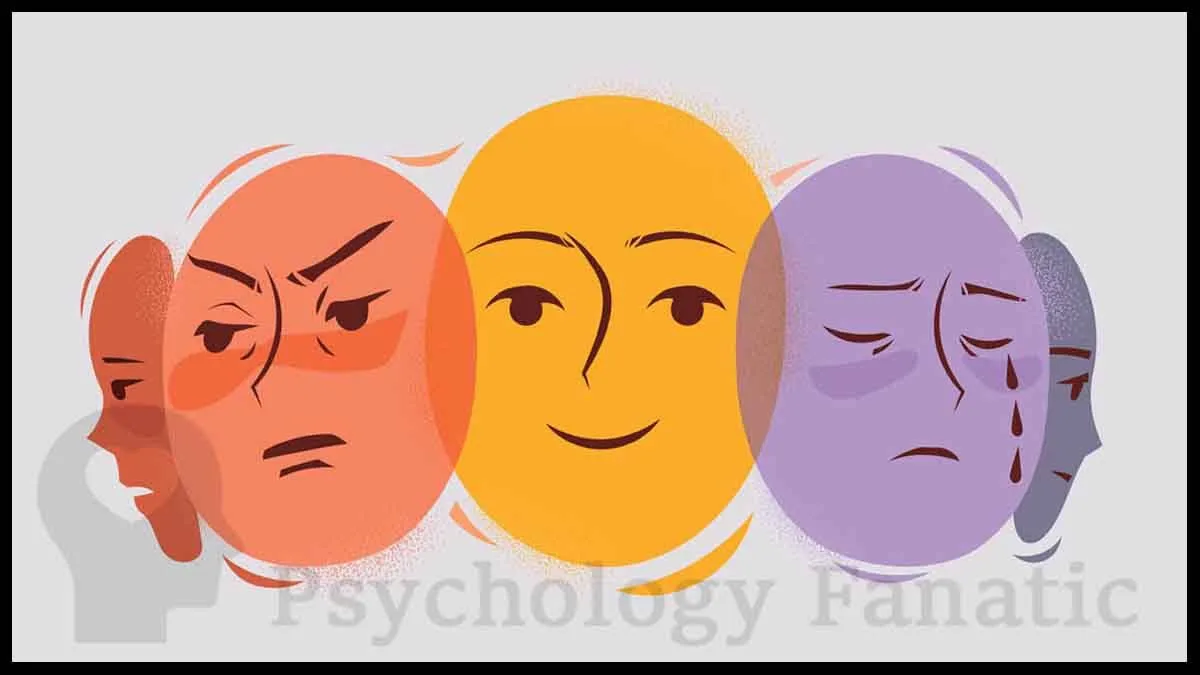
Emotional valence is a fundamental concept in psychology that refers to the positive or negative quality of an emotion. Every emotional experience can be categorized along a spectrum from pleasant to unpleasant, with positive emotions falling on one end (e.g., happiness, joy) and negative emotions on the other end (e.g., anger, sadness). The concept of emotional valence plays a crucial role in understanding human behavior and decision-making processes. It influences how we perceive and interpret events, make choices, form relationships, and regulate our emotions.
We describe the the hedonic tone of certain behaviors with valence ; such as, approach and avoidance, goal attainment or nonattainment, and conformity with or violation of norms. Daniel Goleman, in his best selling book Emotional Intelligence, wrote, “In memory, the amygdala and hippocampus work hand-in-hand; each stores and retrieves its special information independently. While the hippocampus retrieves information, the amygdala determines if that information has any emotional valence” (Goleman, 2005).
Researchers often use scales to measure emotional valence quantitatively, allowing them to study how different factors impact individuals’ emotional experiences. By assessing emotional valence in various situations, psychologists can gain insights into people’s well-being, mental health status, and overall quality of life.
Understanding emotional valence is essential for developing effective therapeutic interventions, improving communication skills, fostering healthy relationships, and enhancing overall psychological well-being.
Negative Valence
Negative valence refers to the quality of emotions that are unpleasant, aversive, or undesirable in nature. Emotions with negative valence can range from mild discomfort (e.g., unease) to intense distress (e.g., fear, anger). These emotions play a crucial role in signaling potential threats or harm, motivating individuals to avoid harmful situations and take protective actions.
Emotions with negative valence serve important adaptive functions by helping individuals recognize and respond to danger, injustice, or other adverse circumstances. For example, feeling sadness after a loss can signal the need for processing grief and seeking support from others. Similarly, experiencing anxiety before a challenging task can prompt individuals to prepare adequately and perform better.
However, persistent experiences of negative valence emotions such as chronic stress, anxiety disorders, or depression can have detrimental effects on an individual’s mental health and well-being. It is essential for individuals to develop healthy coping strategies and seek professional help when needed to address overwhelming negative emotions.
Understanding negative valence emotions is crucial in therapeutic settings as it allows mental health professionals to identify underlying issues contributing to emotional distress and tailor interventions effectively. By addressing negative valence emotions constructively, individuals can work towards building resilience, improving emotional regulation skills, and enhancing their overall psychological functioning.
Positive Valence
Positive valence refers to the quality of emotions that are pleasant, rewarding, or desirable in nature. Emotions with positive valence can range from feelings of happiness and contentment to sensations of love and gratitude. These emotions play a crucial role in promoting well-being, fostering resilience, and enhancing overall life satisfaction.
When individuals experience positive valence emotions, such as joy or excitement, they tend to feel good about themselves and their surroundings. These emotions can increase motivation levels, boost creativity, and improve problem-solving abilities. Positive valence emotions also facilitate social connections by promoting empathy, generosity, and cooperation among individuals. Positive valence emotions are associated with the release of neurotransmitters like serotonin and endorphins in the brain’s pleasure centers.
These neurotransmitters contribute to regulating mood states, reducing stress levels, and promoting feelings of relaxation and contentment. As a result, experiencing positive valence can lead to enhanced emotional well-being and improved mental health outcomes.
Engaging in activities that evoke positive valence emotions is essential for maintaining psychological health resilience achieving personal fulfillment goals. Practicing gratitude mindfulness techniques participating in acts of kindness engaging hobbies you enjoy spending time with loved ones are some ways to cultivate positive valence emotions.
By understanding the concept of positive valence emotions incorporating strategies to enhance them into daily life routines individuals can promote emotional stability build stronger relationships foster personal growth develop greater resilience life satisfaction.
Valence and Arousal
Lisa Feldman Barrett, Ph.D., explains that your affect “is always some combination of valence and arousal” (Barrett, 2018). While biology predetermines much of the valence, our interpretations of the events and corresponding feelings enhance or abate arousal, or, even, transform the valence of a feeling affect all together.
Circumplex Model of Emotions
The circumplex model of valence and arousal is a psychological framework that classifies emotions based on two primary dimensions: valence and arousal. This model represents emotions as points in a two-dimensional space, with valence (positive to negative) on one axis and arousal (low to high intensity) on the other axis.
Valence refers to the emotional quality ranging from positive (pleasant) to negative (unpleasant), while arousal describes the level of physiological activation or intensity associated with an emotion. By combining these two dimensions, researchers can map out a wide range of emotional experiences and understand how they relate to each other.
In the circumplex model, emotions are positioned within this two-dimensional space according to their specific combination of valence and arousal levels (Murphy, 2024). For example, emotions like happiness and excitement would be located in the high positive valence, high arousal quadrant, while feelings like sadness and relaxation would fall into the low positive valence, low arousal quadrant.
This model allows researchers to study relationships among different emotions systematically by analyzing patterns within the circumplex space. It provides insights into how various emotions cluster together based on their similarity in terms of valence and arousal levels.
Valence and Somatic Markers
The relationship between somatic markers and emotional valence is a key aspect of understanding how emotions influence decision-making. The Somatic Marker Hypothesis, proposed by neuroscientist Antonio Damasio, suggests that somatic markers are bodily-based signals associated with emotions that arise in response to certain stimuli or situations. These markers have either positive or negative valence, which biases our decision-making processes.
Leslie Greenberg wrote:
“A somatic state, a visceral experience, becomes a marker for a specific experience and is stored in memory. These somatic markers can then be accessed by present cues that evoke the emotion scheme” (Greenberg, 2015).
Damasio also suggests the nature of the valence also biases our predictions. He explains that by establishing a somatic markers creates a bias for predicting future outcomes of certain scenarios. He wrote that when a negative somatic marker is “juxtaposed to a particular future outcome the combination functions as an alarm bell” (Damasio, 2005).
In essence, somatic markers serve as a bridge between our emotional experiences and our cognitive processes. This connection allows emotional valence to play a role in our decisions and actions. They help us to make rapid judgments that are essential for survival, often bypassing conscious awareness.
Emotional Valence is a Fundamental Concept in Several Theories on Emotion
- Circumplex Model of Affect: Proposed by James Russell, this model suggests that we can evaluate emotions along two dimensions: arousal (high or low) and valence (positive or negative). It posits that all affective states arise from these two dimensions.
- Discrete Emotion Theory: This theory, associated with psychologists like Paul Ekman and Jaak Panksepp, categorizes emotions as discrete entities with biological underpinnings. Each basic emotion is associated with a specific valence, such as happiness (positive valence) or fear (negative valence).
- Component Process Model: This model is a prominent theory of emotion that emphasizes the dynamic and interactive nature of emotional experiences
- Appraisal Theories: These theories suggest that emotions result from our appraisal of a situation, which determines the emotional valence. For example, if an individual appraises an event as beneficial, it will have a positive valence, whereas harmful events will have a negative valence.
- Cannon-Bard Theory of Emotion: This theory proposes that physiological arousal and emotional experiences occur simultaneously yet independently. It challenges the James-Lange Theory and emphasizes the roles of the thalamus and cerebral cortex.
- Affective Neuroscience: Pioneered by Jaak Panksepp, this approach studies the neural mechanisms of emotion and identifies several core emotional systems in the brain, each associated with a different valence. For instance, the SEEKING system is linked to positive valence, while the FEAR system is linked to negative valence.
These theories highlight the importance of emotional valence in understanding the complexity of human emotions. They provide frameworks for studying how emotions influence cognition, behavior, and overall psychological well-being.
Associated Concepts
- Mood Congruence: This concept suggests that an individual’s current mood influences their perception. In addition, mood also influences memory recall, making it more likely to remember information that has the same emotional valence as their current mood.
- Emotion Regulation: Emotional valence is closely tied to the strategies individuals use to regulate their emotions. In regulation, individuals aim to promote positive valence or reduce negative valence.
- Affective-Reflective Theory (ART): This theory explores how our decisions are influenced by both automatic emotional responses and conscious, deliberate thought.
- Action Tendencies: These are states of readiness or urges to engage in specific behaviors that are typically elicited by emotions. They are the immediate, often automatic, impulses that prepare an individual to respond to a situation in an emotion-relevant way, such as the urge to flee when afraid or to approach when joyful.
- Predictive Learning: Emotional valence plays a role in predictive learning, where it can influence the expectancy of outcomes associated with certain stimuli.
- Affective Neuroscience: Pioneered by Jaak Panksepp, this approach studies the neural mechanisms of emotion and identifies several core emotional systems in the brain, each associated with a different valence. For instance, the SEEKING system is linked to positive valence, while the FEAR system is linked to negative valence.
A Few Words by Psychology Fanatic
As we conclude our journey through the nuanced landscape of emotional valence, the concept reminds us of its omnipresence in our daily lives. Emotional valence is not just a psychological concept to be studied; it is an integral part of our existence, influencing every moment and decision. It shapes our memories, guides our actions, and colors our world with a spectrum of emotional hues.
Understanding emotional valence offers us a key to unlock the deeper meanings behind our emotions. Moreover, this understanding provides a compass for navigating the complex emotional waters of the human experience. May this exploration of emotional valence inspire a greater appreciation for the subtle yet powerful ways our emotions inform who we are and all we do.
Last Update: January 19, 2026
References:
Barrett, Lisa Feldman (2018) How Emotions Are Made: The Secret Life of the Brain. Mariner Books; Illustrated edition. ISBN-10: 1328915433; APA Record: 2017-26294-000
(Return to Main Text)
Damasio, Antonio (2005). Descartes’ Error: Emotion, Reason, and the Human Brain. Penguin Books; Reprint edition. ISBN-10: 014303622X
(Return to Main Text)
Goleman, Daniel (2005). Emotional Intelligence: Why It Can Matter More Than IQ. Bantam Books. ISBN-10: 055338371X(Return to Main Text)
Greenberg, Leslie S. (2015). Emotion-Focused Therapy: Coaching Clients to Work Through Their Feelings. American Psychological Association; 2nd edition. DOI: 10.1037/14692-000; ISBN-10: 1433840979
(Return to Main Text)
Murphy, T. Franklin (2024) The Fascinating Framework: Circumplex Model of Arousal and Valence. Psychology Fanatic. Published: 8-26-2024; Accessed: 1-19-2026. Website: https://psychologyfanatic.com/circumplex-model-of-arousal-and-valence/
(Return to Main Text)

Emotional Dysregulation

Basic Emotions

Ego Investment
