
Environmental Psychology: How Places Shape Behavior and Well-Being
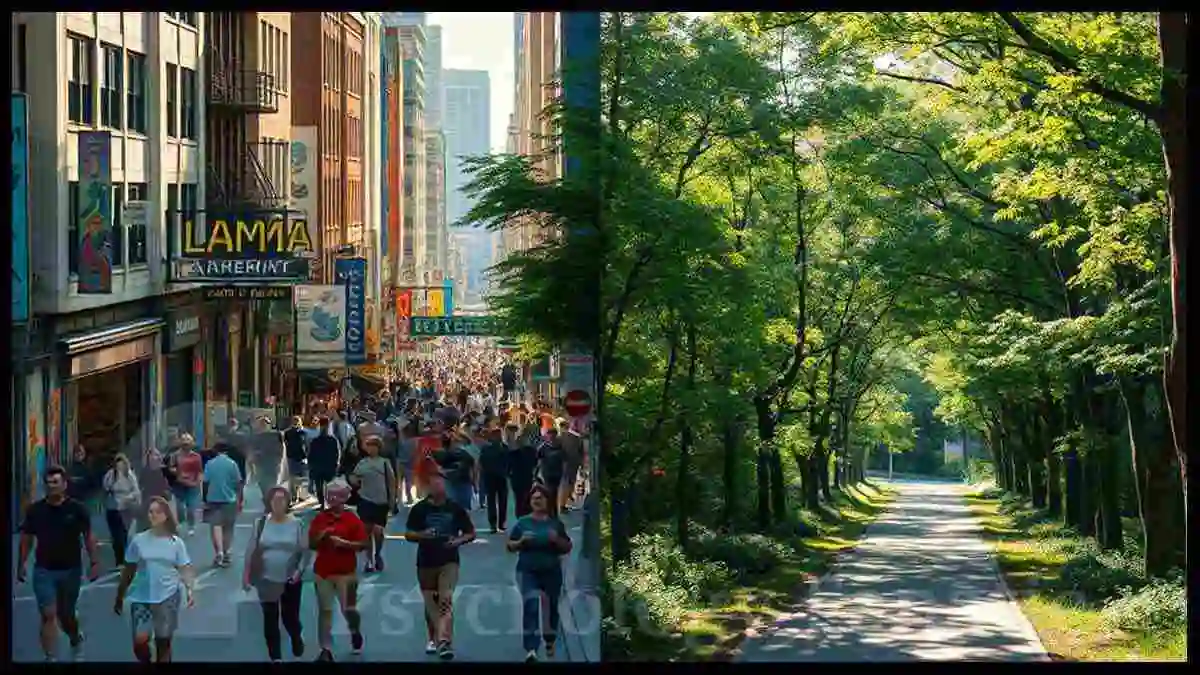
Have you ever noticed how your mood shifts when you step from a noisy city street into a quiet park? The physical settings we inhabit influence far more than comfort. They shape attention, emotion, behavior, social interaction, and even our sense of identity.
Environmental psychology studies this ongoing relationship between people and place. It reminds us that human experience does not occur in a vacuum. We live in rooms, neighborhoods, workplaces, schools, cities, forests, and digital spaces. Each setting carries demands, meanings, affordances, and possibilities for action.
Natural environments may restore attention and reduce stress. Crowded or noisy settings may tax the nervous system and narrow our behavioral options. Built environments can promote connection, safety, and creativity—or contribute to isolation, fatigue, and conflict. Environmental psychology explores these patterns so that homes, schools, workplaces, cities, and public spaces can better support human flourishing.
As an interdisciplinary branch of psychology, environmental psychology places behavior within the physical settings where life unfolds.
Key Definition:
Environmental psychology is the scientific study of how people interact with physical surroundings, including natural spaces, built environments, homes, workplaces, schools, cities, and public settings. It examines how environments influence thoughts, emotions, behavior, health, social relationships, stress, and well-being—and how people shape environments through design, use, preservation, neglect, and policy.
Table of Contents
- Environmental Psychology: How Places Shape Behavior and Well-Being
- What Is Environmental Psychology?
- The History and Development of Environmental Psychology
- Key Concepts and Theoretical Frameworks
- Natural Environments and Psychological Well-Being
- Environmental Stressors and Adaptive Behavior
- Research Methods in Environmental Psychology
- Applications of Environmental Psychology
- How Environmental Psychology Connects With Other Fields
- Future Directions and Challenges
- Associated Concepts
- A Few Words by Psychology Fanatic
What Is Environmental Psychology?
Environmental psychology examines the dynamic transactions between individuals and their built and natural environments. It completes the broader psychological picture by placing human behavior within the physical settings where life actually unfolds. A central premise of the field is that people are always embedded in place, and that person-place influences are mutual and consequential (Gifford, 2014).
This means that people shape buildings, land, water, air, and other living systems, while these same environmental conditions shape human perception, emotion, behavior, and well-being. The relationship is reciprocal rather than one-directional.
The field is concerned with how people’s experiences and actions are related to everyday surroundings. Its broader goal is to improve human relationships with the natural world while making built environments more humane, functional, and psychologically supportive (Wicker, 1979).
Environmental psychology has become increasingly important as societies confront urbanization, climate change, crowding, pollution, habitat loss, and widening inequalities in access to healthy spaces. These issues are not only technical or political problems. They are also behavioral and psychological problems. Sustainable change depends partly on understanding how people perceive risk, form habits, attach meaning to places, respond to environmental stressors, and participate in collective solutions.
The History and Development of Environmental Psychology
The study of environment and behavior developed rapidly during the twentieth century, drawing researchers from psychology, sociology, geography, anthropology, architecture, urban planning, and public health. This interdisciplinary character enriched the field, although it also made its boundaries less clearly defined than those of more traditional branches of psychology.
Formal Emergence of Environmental Psychology
Environmental psychology emerged as a distinct field in the late 1960s and early 1970s. Its development reflected both social concerns and intellectual shifts within the behavioral sciences. Public attention to overpopulation, urban stress, environmental degradation, and resource depletion increased interest in how physical environments affect human behavior.
At the same time, psychologists were beginning to study environmental perception, spatial behavior, crowding, design, and environmental stress. These developments expanded psychology beyond the laboratory and toward the everyday settings in which people live, work, learn, and recover.
Ecological Psychology
Ecological psychology is a related precursor to environmental psychology. It is especially associated with Roger Barker’s work beginning in 1947. Barker emphasized the naturalistic study of behavior in real-world settings rather than isolated laboratory conditions. His approach focused on the lawful ways that environmental contexts structure the social actions of individuals and groups (Wicker, 1979).
Barker’s work contributed the concept of behavior settings—stable patterns of activity tied to specific physical and social contexts (Barker, 1968). This shifted attention away from personality alone and toward the organized settings that guide behavior. A classroom, church service, courtroom, playground, or grocery store each carries expectations, roles, physical arrangements, and patterns of action.
The intellectual origins of ecological psychology and environmental psychology were not identical. Ecological psychology emphasized the organized structure of real-world settings, while environmental psychology often focused more on perception, cognition, stress, and individual experience. Over time, however, the two traditions converged around a shared recognition that human behavior emerges through ongoing exchanges between people and their surroundings (Stokols, 1977; Heft, 2001).
Key Concepts and Theoretical Frameworks
Environmental psychology includes several theoretical frameworks that explain how environments shape behavior. Some focus on the structure of settings. Others examine perception, attention, meaning, privacy, crowding, place attachment, and environmental stress.
Together, these concepts show that environments are not passive backdrops. They provide cues, constraints, opportunities, emotional tones, and social expectations.
Behavior Settings and Ecological Psychology
Behavior Setting Theory, developed by Roger Barker, proposes that behavior is strongly shaped by the physical and social contexts in which it occurs. A behavior setting is a recurring pattern of activity tied to a particular time and place. Examples include classrooms, offices, restaurants, religious services, sports practices, and public meetings.
Each behavior setting includes a relationship between the physical milieu and the standing pattern of behavior expected within it. The arrangement of chairs, doors, tools, signs, schedules, and social roles all help guide what people do. In this sense, settings carry a kind of behavioral program.
This theory shifts attention from an exclusively internal view of behavior to a contextual one. People still make choices, but those choices are often organized, invited, or constrained by the environments they occupy (Barker & Gump, 1964).
Environmental Perception and Cognition
Environmental perception involves the active experience of surroundings. Unlike the perception of a single object, environments surround the individual. They provide visual, auditory, tactile, social, and emotional information all at once.
People respond to environments through several overlapping processes. They evaluate whether a setting feels safe, comfortable, confusing, threatening, inviting, or meaningful. They orient themselves by identifying what is happening and what is expected. They also develop categories and labels that help them understand the setting.
Spatial cognition and wayfinding are especially important. People form cognitive maps of large-scale environments and use landmarks, paths, edges, districts, and nodes to navigate (Lynch, 1960). When an environment is legible, people can organize its parts into a coherent pattern. When it is confusing or poorly designed, it may increase stress, uncertainty, and dependence on external cues.
Place Attachment and Place Identity
Place attachment refers to the emotional bond people form with particular physical settings. These settings may include homes, neighborhoods, schools, parks, forests, lakes, cities, or cultural landscapes. Attachment develops through repeated experiences, relationships, memories, routines, and significant life events (Gifford, 2014).
Place identity develops when a setting becomes part of a person’s self-understanding. A childhood neighborhood, a family home, a favorite trail, or a meaningful city may become woven into one’s story. People may come to see themselves as “from” a place, shaped by a place, or responsible for protecting a place.
Place attachment can support belonging, continuity, and emotional security. It can also intensify grief when places are lost through relocation, disaster, development, or environmental degradation.
Affordances
Affordances refer to the possibilities for action that an environment offers. Harry Heft describes affordances as the perceived functional significance of an object, event, or place for an individual (Heft, 2001).
Affordances are both objective and relational. A bench affords sitting because of its structure, height, stability, and relationship to the human body. A wide sidewalk affords walking, conversation, or wheelchair movement. A locked gate affords exclusion. A shaded park affords rest, play, and social gathering.
This concept helps explain why environments are experienced as meaningful. People do not encounter neutral space. They encounter places that invite, restrict, guide, or frustrate action.
Meaning, Values, and Aesthetics
Environmental psychology also examines the meanings people discover and create in their surroundings. Places are not merely physical containers. They carry symbolic, emotional, cultural, and practical significance.
Drawing from ecological psychology and William James’s radical empiricism, Heft argues that environments are meaningfully structured. People directly experience meaningful objects, events, places, social actions, and institutions (Heft, 2001). Meaning is not simply projected onto the world by the mind. It is often discovered through active engagement with the functional and social structure of environments.
A chair, for example, affords sitting not because a person invents that possibility from nothing, but because the chair’s physical properties fit the body’s capacity for sitting. In the same way, a garden may afford reflection, a public square may afford civic gathering, and a poorly lit alley may afford caution or avoidance.
Aesthetic qualities also matter. Light, color, texture, scale, proportion, sound, and natural elements influence how people feel and behave. These design features can support calm, attention, belonging, and dignity—or contribute to fatigue, confusion, and alienation.
Privacy, Crowding, and Territoriality
Environmental psychology has long examined how people regulate access to themselves and their spaces.
- Privacy is the process by which individuals and groups control openness and accessibility to others. It is not simply isolation. Rather, it involves achieving the desired level of social contact at a given time (Altman, 1975).
- Personal space refers to the invisible, flexible zone people maintain around their bodies. This space expands and contracts depending on culture, relationship, setting, emotional state, and perceived threat.
- Territoriality involves the control, marking, and personalization of physical areas or objects. Primary territories, such as bedrooms or homes, allow stronger control. Secondary territories, such as classrooms or workplaces, involve shared but recognizable claims. Public territories, such as parks or plazas, provide limited and temporary control.
- Crowding occurs when people experience more social contact than they desire. It is different from density. Density refers to the number of people per unit of space; crowding refers to the psychological experience of constrained privacy, reduced control, or unwanted contact. Crowding can contribute to stress, irritability, reduced performance, and health costs (Milgram, 1970; Altman, 1975).
Natural Environments and Psychological Well-Being
The restorative potential of nature is one of the most influential themes in environmental psychology. Research suggests that exposure to natural settings—parks, forests, gardens, waterways, and even views of greenery—can reduce stress, improve mood, restore attention, and support cognitive functioning (Kaplan & Kaplan, 1989; Ulrich et al., 1991).
Attention Restoration Theory proposes that natural environments help replenish directed attention (Kaplan & Kaplan, 1989). Urban environments often require effortful monitoring: traffic, noise, crowds, signs, screens, and competing demands. Natural settings, by contrast, often invite soft fascination—a form of attention that is gently engaged without being depleted.
Stress recovery theory similarly suggests that natural environments can support physiological and emotional recovery. After stress, exposure to natural scenes may promote calmer affective states and more adaptive bodily responses (Ulrich et al., 1991).
Biophilia
Edward O. Wilson’s concept of biophilia describes the human inclination to connect with life and living processes. Wilson argued that humans have an affinity for the natural world that is partly rooted in evolutionary history (Wilson, 1984).
From early childhood, many people show fascination with animals, plants, water, weather, and living systems. This attraction is not merely decorative. It may support curiosity, learning, emotional regulation, and a broader sense of connection.
Biophilia does not mean that every person loves every natural setting. Nature can also be dangerous, unpredictable, or culturally interpreted in different ways. Still, the concept helps explain why natural forms, daylight, vegetation, animals, and organic patterns often play an important role in psychological restoration and environmental preference.
Daniel Siegel notes that the genetic basis for mental processes may reflect adaptations to past environments rather than the demands of modern life (Siegel, 2020). This helps explain why contemporary urban and technological settings may sometimes conflict with older biological patterns of attention, movement, social connection, and sensory regulation.
“To the extent that each person can feel like a naturalist, the old excitement of the untrammeled world will be regained.”
—Edward O. Wilson (1984)
Nature, Light, and Physical Health
Access to natural environments may also support physical health. Research has linked green spaces with healthier patterns of activity, lower stress exposure, and improved markers of well-being. Forested areas and green spaces may influence blood pressure, cortisol, heart rate variability, and emotional vitality (Nisbet et al., 2020).
Neighborhoods with parks, trees, walking trails, and accessible outdoor spaces often encourage physical activity. This may contribute to lower risks for obesity, cardiovascular disease, and other health concerns (Maas et al., 2006).
Natural light is also important. Sunlight helps regulate circadian rhythms, which influence sleep, mood, alertness, and hormonal patterns. A systematic review by Taniguchi and colleagues found that sunshine exposure, leisure time in green spaces, and physical activity each had positive associations with mental health indicators, including depression, anxiety, and stress states (Taniguchi et al., 2022). Other research suggests that light exposure can influence melatonin levels and sleep quality (Figueiro et al., 2011).
Beyond individual health, green spaces may also support social and community well-being. Some research has linked urban vegetation with lower crime in inner-city settings (Kuo & Sullivan, 2001).
Environmental Stressors and Adaptive Behavior
Environmental psychology also studies stressors such as noise, pollution, temperature, crowding, poor lighting, lack of privacy, and poorly designed spaces. These conditions can affect mood, attention, sleep, health, and social behavior.
Noise is a common example. Chronic exposure to noise pollution may elevate blood pressure, disrupt sleep, increase irritation, and impair cognitive performance (Evans & Lepore, 1993). In response, people may withdraw, seek quieter environments, use sound-masking devices, or change routines.
Urban environments can also produce stimulus overload. Stanley Milgram argued that city life exposes people to intense and continuous stimulation, which may lead to psychological withdrawal, reduced helping behavior, and narrowed social responsiveness (Milgram, 1970). In this view, urban indifference is not necessarily a sign of moral failure. It may be an adaptive response to excessive demands on attention and emotion.
Adaptive behavior emerges when people modify routines or environments to protect well-being. A person may take a quieter route to work, personalize an office, seek daylight, create boundaries at home, use plants indoors, or spend time in nature after prolonged exposure to stress. Kaplan and Kaplan argued that natural environments are often restorative because they provide a setting that people generally prefer and that supports recovery from directed-attention fatigue (Kaplan & Kaplan, 1989).
Research Methods in Environmental Psychology
Environmental psychology uses diverse methods because person-environment relationships are complex. Researchers often study behavior in real-world settings while also using controlled methods to isolate specific variables.
Naturalistic and Field Research
Naturalistic research studies people in everyday environments rather than artificial laboratory settings. This may involve systematic observation, unobtrusive recording, mapping, behavior-setting surveys, or case studies. Such methods preserve the integrity of real-life settings, people, and activities.
Field research is especially valuable because environmental behavior often depends on context. A behavior that appears simple in a laboratory may change dramatically in a classroom, neighborhood, hospital, workplace, or public park.
Quantitative and Qualitative Approaches
Environmental psychology often combines quantitative and qualitative methods. Quantitative methods may measure frequency, density, physiological stress, movement patterns, environmental preferences, or performance outcomes. Qualitative methods may explore lived experience, meaning, memory, attachment, and perception.
This combination allows researchers to study both measurable outcomes and the subjective meanings that people attach to places.
Environmental Simulation
Environmental simulation allows researchers and designers to study environments before they are built or modified. Simulations may include models, photographs, videos, virtual environments, or immersive technologies. These methods can help predict how people may respond to architectural layouts, lighting, crowding, wayfinding systems, or urban design changes.
Simulation can be especially useful when real-world experimentation would be costly, impractical, or ethically difficult.
Longitudinal and Multi-Modal Assessment
Longitudinal research is important because environmental effects unfold over time. A setting may appear tolerable in the short term but become stressful with prolonged exposure. Conversely, a redesigned space may show benefits only after people develop new routines and meanings within it.
Multi-modal assessment combines self-report, observation, physiological measures, performance data, and environmental measures. This approach strengthens confidence in findings because stress, restoration, attachment, and adaptation may appear across different response systems (Ulrich et al., 1991).
Applications of Environmental Psychology
Environmental psychology has practical value for design, planning, sustainability, health, education, work, and public policy. Its central contribution is the reminder that environments should be designed around human experience rather than appearance alone.
Social Design and Environmental Planning
Environmental psychology contributes to social design by helping planners and architects create spaces that support human needs. Designed environments are not merely visual objects. They are places where people act, rest, connect, learn, recover, and make meaning.
Good design considers privacy, accessibility, safety, wayfinding, social interaction, sensory load, and opportunities for restoration. Public participation is often important because residents and users understand the lived experience of a place in ways that outside experts may miss (Wicker, 1979).
Environmental Psychology in Workplaces, Schools, Homes, and Cities
Built environments influence mood, attention, productivity, and relationships. Office layouts, lighting, acoustics, furniture, color, temperature, and spatial organization can all shape behavior.
Open-plan offices illustrate this trade-off. They may increase visibility and informal interaction, but they can also reduce privacy, increase distraction, and lower satisfaction for some workers (Kim & de Dear, 2013; Sommer, 1969).
Schools, hospitals, homes, and neighborhoods show similar patterns. Design can either support or interfere with concentration, recovery, safety, autonomy, and social connection. Access to greenery, daylight, quiet, and legible layouts may improve the psychological quality of these settings.
Pro-Environmental Behavior and Sustainability
Environmental psychology also examines how people make choices that affect the environment. Many environmental problems stem from human behavior, including consumption patterns, transportation choices, energy use, waste, land use, and political participation.
Research on pro-environmental behavior examines barriers such as limited knowledge, social norms, habits, ideology, perceived inconvenience, sunk costs, lack of control, and distrust. Effective interventions often require more than information. They must account for motivation, identity, social influence, infrastructure, convenience, and perceived effectiveness (Gifford, 2014).
A key challenge is distinguishing low-impact behaviors from high-impact behaviors. Simple actions may build awareness, but meaningful sustainability often requires changes in systems, habits, policies, and built environments.
How Environmental Psychology Connects With Other Fields
Environmental psychology is inherently interdisciplinary. It draws from psychology, sociology, geography, anthropology, architecture, urban planning, public health, ecology, and policy studies. This breadth is necessary because environmental problems are rarely confined to one level of analysis.
The field overlaps with social psychology, community psychology, health psychology, organizational psychology, and developmental psychology. However, environmental psychology is distinguished by its primary concern with physical settings—spaces, places, objects, buildings, landscapes, and environmental conditions.
Traditional psychology has often studied behavior as if it occurred apart from place. Environmental psychology corrects this by placing behavior back into context. It shows that human thoughts, emotions, relationships, and choices are shaped by the environments that contain and invite them (Gifford, 2014).
Future Directions and Challenges
Environmental psychology continues to evolve as the conditions of human life change. Climate instability, urban expansion, digital environments, remote work, ecological loss, and public health challenges all raise new questions about how people relate to place.
Strengthening Theory
One ongoing challenge is theoretical integration. Environmental psychology includes many useful concepts, but the field has sometimes lacked a unified predictive framework. Continued work is needed to connect ecological psychology, behavior-setting theory, environmental cognition, stress research, sustainability psychology, and design research.
A stronger conceptual base would help the field explain person-environment transactions across multiple levels—from bodily responses and attention to neighborhoods, institutions, and ecological systems.
Studying Virtual and Hybrid Environments
Digital and virtual spaces increasingly shape human experience. Work, education, social connection, entertainment, and civic life now occur partly through screens and virtual environments. These spaces are not “placeless.” They have layouts, cues, boundaries, affordances, distractions, and emotional meanings.
Future research must examine how virtual environments interact with physical settings. A person working remotely, for example, is shaped by both the digital workspace and the physical home environment. This hybrid reality expands the scope of environmental psychology.
Bridging Research and Practice
A major challenge is translating research into practical design and policy. Environmental psychologists must communicate findings clearly to architects, planners, educators, employers, healthcare leaders, and public officials. Research must be both scientifically sound and usable within real-world constraints.
Stokols argued that environmental psychologists should move beyond brief consultation and develop stronger relationships with design professionals and decision-makers (Stokols, 1977). This remains an important task. The field’s value depends partly on whether its insights improve actual places.
Institutional Support
Despite its relevance, environmental psychology still faces institutional challenges. Many psychology departments do not have dedicated environmental psychologists, and funding for programs can be limited. Yet the field’s importance is growing as societies confront environmental stress, urban design challenges, public health concerns, and sustainability transitions (Gifford, 2014).
Associated Concepts
- Whole Person Wellness: Environmental psychology supports whole person wellness by showing how physical surroundings contribute to emotional, social, and bodily well-being.
- Health Psychology: Health psychology examines how psychological and social factors affect health. Environmental psychology adds place, design, stressors, and natural settings to this picture.
- Positive Psychology Interventions: Positive psychology interventions aim to strengthen well-being through practices such as gratitude, mindfulness, kindness, and meaning-making. Environmental design may support these practices by creating settings that invite reflection, connection, and restoration.
- Sunshine and Mental Health: Sunlight influences mood, sleep, energy, and circadian rhythm regulation, making it an important environmental factor in mental health.
- Stress Management: Noise, crowding, privacy, lighting, and access to nature can all influence stress regulation.
- Arousal Theory: Arousal theory helps explain how environmental stimulation influences physiological activation, attention, mood, and performance. Settings that are too dull or too overstimulating may impair functioning.
- Burnout Prevention: Burnout prevention often focuses on workload and emotional demands, but environmental conditions also matter. Noise, crowding, poor lighting, lack of privacy, and limited restoration opportunities can contribute to chronic strain.
A Few Words by Psychology Fanatic
Environmental psychology invites us to see human life as deeply situated. We do not merely think, feel, and act from within isolated minds. We live through places. Rooms, streets, offices, parks, neighborhoods, and landscapes quietly shape our habits, emotions, relationships, and possibilities.
This does not mean that environments determine everything. People remain adaptive, meaning-making beings. We modify spaces, resist constraints, personalize surroundings, and create new patterns of belonging. Yet the field reminds us that well-being is not only an individual achievement. It is also supported—or undermined—by the places we build and preserve.
In a rapidly changing world, environmental psychology offers more than academic insight. It provides a framework for designing humane spaces, protecting restorative environments, reducing unnecessary stress, and encouraging sustainable behavior. When we understand the relationship between people and place, we become better equipped to create communities where human life can flourish.
References:
Altman, Irwin (1975). The Environment and Social Behavior: Privacy, Personal Space, Territory, Crowding. Monterey, CA: Brooks/Cole. ISBN: 9780818501685
(Return to Main Text)
Barker, Roger G. (1968). Ecological psychology: Concepts and methods for studying the environment of human behavior. Stanford University Press. ISBN: 9780804706582
(Return to Main Text)
Barker, Roger G.; Gump, Paul V. (1964). Big School, Small School: High School Size and Student Behavior. Stanford University Press. ISBN: 9780804701952
(Return to Main Text)
Evans, Gary W.; Lepore, Stephen J. (1993). Nonauditory Effects of Noise on Children: A Critical Review. Children’s Environments, 10(1), 31–51. DOI: 10.2307/41515250.
(Return to Main Text)
Figueiro, Mariana G.; Wood, Brittany; Plitnick, Barbara; Rea, Mark S. (2011). The Impact of Light from Computer Monitors on Melatonin Levels in College Students. Neuro Endocrinology Letters, 32(2), 158–163. PMID: 21552190.
(Return to Main Text)
Gifford, Robert (2014). Environmental psychology matters. Annual Review of Psychology, 65, 541–579. DOI: 10.1146/annurev-psych-010213-115048
(Return to Main Text)
Heft, Harry (2001). Ecological psychology in context: James Gibson, Roger Barker, and the legacy of William James’s radical empiricism. Lawrence Erlbaum Associates. ISBN: 9780805823509;
(Return to Main Text)
Kaplan, Rachel; Kaplan, Stephen (1989). The Experience of Nature: A Psychological Perspective. Cambridge University Press. ISBN: 9780521349390
(Return to Main Text)
Kim, Jungsoo; de Dear, Richard (2013). Workspace satisfaction: The privacy-communication trade-off in open-plan offices. Journal of Environmental Psychology, 36, 18–26. DOI: 10.1016/j.jenvp.2013.06.007
(Return to Main Text)
Kuo, Frances E.; Sullivan, William C. (2001). Environment and crime in the inner city: Does vegetation reduce crime? Environment and Behavior, 33(3), 343–367. DOI: 10.1177/0013916501333002
(Return to Main Text)
Lynch, Kevin (1960). The Image of the City. MIT Press. ISBN: 9780262620017
(Return to Main Text)
Maas, Jolanda; Verheij, Robert A.; Groenewegen, Peter P.; de Vries, Sjerp; Spreeuwenberg, Peter (2006). Green Space, Urbanity, and Health: How Strong Is the Relation? Journal of Epidemiology & Community Health, 60(7), 587–592. DOI: 10.1136/jech.2005.043125.
(Return to Main Text)
Milgram, Stanley (1970). The experience of living in cities. Science, 167(3924), 1461–1468. DOI: 10.1126/science.167.3924.1461
(Return to Main Text)
Nisbet, Elizabeth K.; Shaw, Daniel W.; Lachance, Danielle D. (2020). Connectedness With Nearby Nature and Well-Being. Frontiers in Sustainable Cities. DOI: 10.3389/frsc.2020.00018
(Return to Main Text)
Siegel, Daniel J. (2020). The Developing Mind: How Relationships and the Brain Interact to Shape Who We Are. The Guilford Press; 3rd edition. ISBN: 9781462542758
(Return to Main Text)
Sommer, Robert (1969). Personal Space: The Behavioral Basis of Design. Englewood Cliffs, NJ: Prentice-Hall. ISBN: 9780136575771
(Return to Main Text)
Stokols, Daniel (Ed.). (1977). Perspectives on environment and behavior: Theory, research, and applications. Plenum Press. ISBN: 9780306309540
(Return to Main Text)
Taniguchi, Keita; Takano, Mayuko; Tobari, Yui; Hayano, Motoshi; Nakajima, Shinichiro; Mimura, Masaru; Tsubota, Kazuo; Noda, Yoshihiro (2022). Influence of External Natural Environment Including Sunshine Exposure on Public Mental Health: A Systematic Review. Psychiatry International, 3(1), 91–113. DOI: 10.3390/psychiatryint3010008.
(Return to Main Text)
Ulrich, Roger S.; Simons, Robert F.; Losito, Barbara D.; Fiorito, Evelyn; Miles, Mark A.; Zelson, Michael (1991). Stress Recovery During Exposure to Natural and Urban Environments. Journal of Environmental Psychology, 11(3), 201–230. DOI: 10.1016/S0272-4944(05)80184-7.
(Return to Main Text)
Wicker, Allan W. (1984). An introduction to ecological psychology. CUP Archive. ISBN: 9780521319744
(Return to Main Text)
Wilson, Edward O. (1984). Biophilia. Cambridge, MA: Harvard University Press. ISBN: 9780674074422
(Return to Main Text)
Last Edited: May 24, 2026