
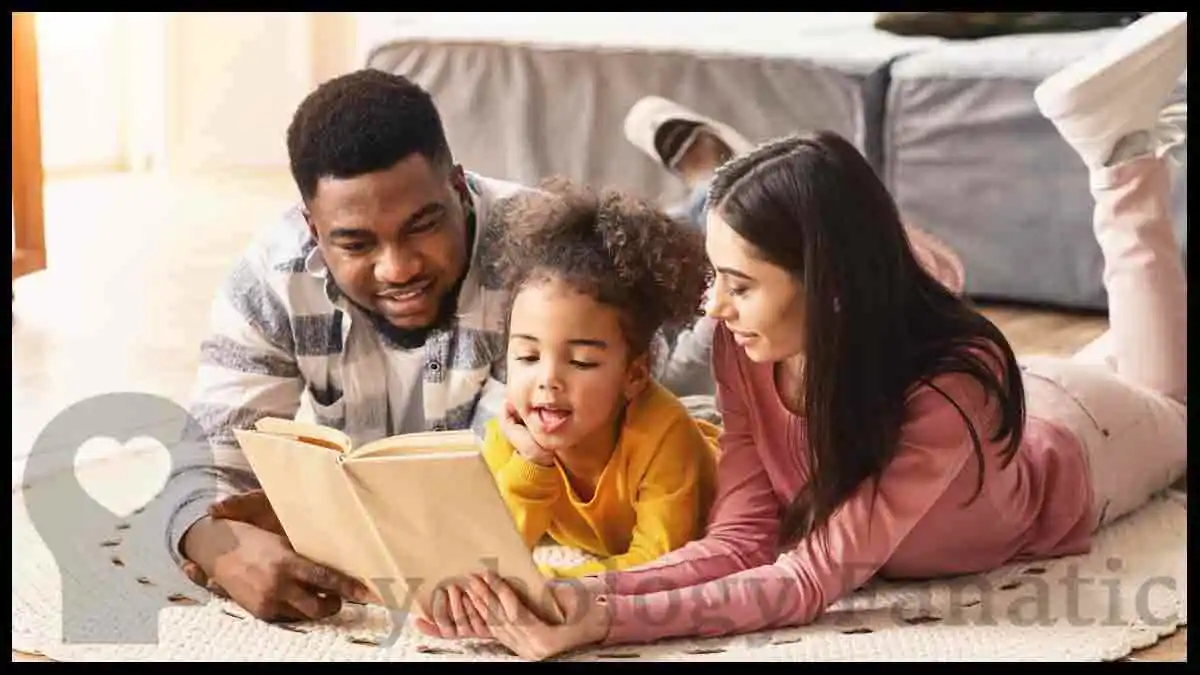
Good Parenting: Nurturing and Guiding Children Towards Success
Parenting is one of the most challenging and rewarding roles in life. It involves nurturing, guiding, and supporting a child’s growth and development. While there is no one-size-fits-all approach to parenting, certain principles can help create a healthy and supportive environment for children.
Effective parenting requires a delicate balance between providing structure and allowing for autonomy. Establishing clear expectations and boundaries while also fostering independence can help children develop a sense of security and self-reliance. It’s essential to create a safe and nurturing environment where children feel loved, valued, and supported.
Key Definition:
Good Parenting is a multifaceted concept that encompasses various principles, practices, and approaches aimed at nurturing and guiding children towards becoming well-rounded, responsible, and emotionally healthy individuals. The essence of good parenting lies in its ability to adapt to the unique needs and personalities of each child while maintaining a steadfast commitment to fostering an environment of love, support, and discipline.
Introduction to Good Parenting
Parenting is not just about raising children; it’s about shaping the future. Every interaction, every decision, has the potential to leave a lasting impact. Over the last several decades research has uncovered the power of environments to actually influence where a gene is expressed or not. The earliest environments, beginning in the womb and continuing to the family home, the genetics of a child begin to transform. These environments are essential for healthy development.
Margaret Mahler, a Hungarian-born American child psychiatrist and psychoanalyst, wrote that the “biological birth of the human infant and the psychological birth of the individual are not coincident in time. The former is a dramatic, observable, and well-circumscribed event; the latter a slowly unfolding intrapsychic process” (Mahler et al., 1975).
Parenting and Gene Expression
Toni Antonucci, Kristine Ajrouch, and Kira Birditt wrote that a detailed “examination of convoy characteristics such as positive and negative relationship quality may provide insight into which genes are expressed and which are not.” High quality parenting has “been shown to reduce the expression of the ‘impulsivity’ gene” (Antonucci et al., 2014).
Risk factors for undesirable behaviors often get greater emphasis for their problematic nature rather than their overall impact on human development. Accordingly, if we are researching aggressiveness in school children, and discover a risk factor of ‘heightened emotionality’ we label the factor as bad, and a predictor of future problems.
However, this same characteristic, under different environmental conditions, may also have some beneficial developmental outcomes. For instance, research found that 9-month-olds scoring high on negativity who experienced low levels of synchrony in mother-infant interaction manifest more in non-compliance during clean-up at age two than other children did. However, when such infants experienced mutually synchronous mother-infant interaction, they displayed greater self-control than did children manifesting much less negativity as infants (Belsky, 2015, p. 18).
Parents literally contribute to shaping the minds of their children.
Parenting Style
Just as each person is an individual so is each parent. There is no one size fits all model for good parenting. While each parent/child relationships are unique, parenting behaviors may be grouped into different styles. Parenting styles are the strategies and approaches that parents use to raise their children. These styles are typically categorized into four main types, each with its own characteristics and impacts on child development.
Authoritative Parenting
Often considered the most effective, authoritative parenting combines high expectations with warmth and responsiveness. Parents set clear rules but also encourage independence. They communicate openly and provide reasons for their guidelines, fostering an environment of mutual respect. Children raised with this style tend to be confident, socially adept, and academically successful.
Authoritarian Parenting
Authoritarian parents have high expectations and strict rules, but they are less responsive to their children’s needs. Discipline is often emphasized over nurturing, with little room for open dialogue. This approach can lead to obedient but less happy children, who may struggle with self-esteem and social skills.
Permissive Parenting
Permissive parents are indulgent and lenient, often acting more like friends than authority figures. They provide a lot of freedom and set few boundaries. While this style can result in a close parent-child relationship, it may also lead to behavioral issues and lack of self-discipline in children.
Uninvolved Parenting
Uninvolved parenting is characterized by a lack of responsiveness and minimal communication. Parents provide basic needs but are generally detached from their child’s life. This neglectful approach can severely affect a child’s emotional and social development, leading to issues with attachment and self-worth.
Understanding these parenting styles can help parents reflect on their own practices and make informed decisions to support their child’s growth and well-being. However, we must carefully note that these categories are general groupings. These are not all or nothing labels. Parents typically act with varying degrees of behaviors from multiple categories.
The Core Principles of Good Parenting
Unconditional Love and Affection
At the heart of good parenting is the expression of unconditional love and affection. Children thrive in environments where they feel valued and cherished. This sense of security and belonging forms the foundation upon which their self-esteem and confidence are built. Parents who consistently demonstrate love and affection, regardless of the circumstances, provide their children with a stable emotional base.
David Brooks wrote:
“Children who are uncertain of their parents’ love develop a voracious hunger for it. This conditional love is like acid that dissolves children’s internal criteria, their capacity to make their own decisions about their own interests, careers, marriages, and life in general” (Brooks, 2015).
Unconditional love blesses a child with the courage to try new things without the additional fear of rejection for failing.
See Unconditional Love for more on this topic
Effective Communication
Open and honest communication is a cornerstone of good parenting. It involves not only speaking but also actively listening to children. Effective communication fosters trust and mutual respect, allowing children to express their thoughts, feelings, and concerns without fear of judgment. Through meaningful conversations, parents can guide and support their children, helping them navigate the complexities of life.
Daniel Goleman explains that “open communication has no bullying, threats, or insults. Nor does it allow for any of the innumerable forms of defensiveness—excuses, denying responsibility, counter attacking with a criticism, and the like” (Goleman, 1995). This is extremely difficult for parents that suffer from their own ability to communicate. Children are vulnerable targets for maladaptive and manipulative communication.
When an individual does not possess healthy communication and conflict resolution skills, they resort to manipulation. The child quickly absorbs these techniques as proper tools for communication, potential impacting their relationships for the rest of their lives.
See Open Communication for more on this topic
Setting Boundaries and Discipline
Discipline is an integral aspect of good parenting, but it transcends mere punishment. It involves setting clear boundaries and expectations, and consistently enforcing them with fairness and understanding. Discipline teaches children about responsibility, self-control, and the consequences of their actions. When administered with empathy, it helps children develop a sense of accountability and respect for others.
Boundaries are the defined limits within which children can safely explore and interact with their environment. They include rules, guidelines, and restrictions that help children understand acceptable behavior and the consequences of their actions.
Develops Self-Discipline
Boundaries teach children the concept of self-discipline. When children understand the limits of acceptable behavior, they learn to regulate their actions and impulses. This self-regulation is essential for success in various aspects of life, including academics, social interactions, and personal goals.
Encourages Responsibility
By setting boundaries, caregivers communicate expectations and responsibilities to children. When children know the rules and the consequences of breaking them, they are more likely to take ownership of their actions. This responsibility fosters a sense of accountability and helps children develop a moral framework.
Promotes Emotional Regulation
Boundaries also play a vital role in emotional regulation. When children know the limits of acceptable behavior, they learn to manage their emotions within those parameters. For example, understanding that tantrums are not an acceptable way to express frustration helps children find healthier ways to cope with their emotions.
See Relationship Boundaries for more on this topic
Encouragement and Support
Good parents recognize and nurture their children’s strengths and interests. They provide encouragement and support, helping children build confidence and resilience. By celebrating achievements and offering constructive feedback, parents instill a growth mindset in their children, motivating them to pursue their goals and overcome challenges.
See Supportive Environment for more on this topic
Modeling Positive Behavior
Children often emulate the behavior of their parents. Therefore, good parenting involves modeling positive behavior and attitudes. Parents who demonstrate kindness, integrity, and empathy set a powerful example for their children to follow. Through their actions, parents teach valuable life skills and ethical principles that shape their children’s character.
Dr. Robert DeMoss warns that “many lessons imparted through social learning are absorbed…without critical analysis.”
DeMoss Explains:
“One important corollary to being a social creature is that, while in the presence of others, if our brains are receptive as a result of our age, we cannot remain uninfluenced. When the brain is ripe for learning, learning will occur, regardless of the lesson that is presented” (DeMoss, 1999).
Albert Bandura explains that the capacity to “learn by observation enables organisms to acquire large, integrated patterns of behavior” (Bandura, 1978).
Basically, children absorb lessons from watching their parents. How parents act is more important than what they say.
See Modeling Psychology for more on this topic
The Practices of Good Parenting
Creating a Safe and Nurturing Environment
A safe and nurturing environment is essential for a child’s physical and emotional well-being. Good parents prioritize their children’s safety, ensuring they are protected from harm and have access to basic needs such as food, shelter, and healthcare. Additionally, they create an atmosphere where children feel emotionally secure and supported.
However, providing a sense of safety is difficult when the parents themselves live in a world they perceive as dangerous. These fears are projected on the child.
Joseph Burgo wrote:
“Many parents are emotionally limited themselves, unable to bear the deprivations and challenges of parenting; they may hate those ways that their baby makes them feel and then turn away. Too many parents are so absorbed in their own needs and personal struggles that they have little room left over for anyone else. Instead of feeling safe in its world, confident that the food and emotional support it needs in order to thrive will be forthcoming, the baby’s fear, anger and hatred become unbearable; because it has no ability to tolerate this excruciating experience, it can only ward off the awareness of it. Instead of learning to tolerate and understand its experience, the baby tries to get rid of it, or the awareness of it, relying on psychological defense mechanisms to protect itself” (Burgo, 2012).
see Emotional Safety for more on this topic
Involvement and Participation
Active involvement in a child’s life is a hallmark of good parenting. This includes participating in their education, extracurricular activities, and daily routines. By being present and engaged, parents show their children that they are valued and that their interests and aspirations matter.
Research supports the importance in parental involvement. The effects of parental participation are “long lasting and involvement builds a foundation for future success” (Georgiou, 2023). Involvement not only helps a parent keep in the developmental loop of the child’s learning but it also is a primary expression of care.
See Being a Good Dad for more on this topic
Consistency and Routine
Consistency and routine provide children with a sense of stability and predictability. Good parents establish and maintain regular schedules for activities such as meals, bedtime, and schoolwork. This structure helps children develop time management skills and fosters a sense of security.
Consistency and routine help minimize the stress of decision making. It allows the child to know the framework within thich they can make autonomous choice.
Adaptability and Flexibility
While consistency is important, good parents also recognize the need for adaptability and flexibility. They understand that each child is unique and that situations may require different approaches. By being flexible and responsive to their children’s needs, parents can better support their development and well-being.
While consistency and boundaries are essential, it is equally important to strike a balance between rigidity and flexibility. Children benefit from knowing the rules, but they also need room for growth, exploration, and creativity.
Adapting to Individual Needs
Every child is unique, and their developmental needs may vary. Flexibility allows caregivers to adapt their approach to meet the individual needs of each child. For example, while a consistent bedtime routine is essential, the specific time may need to be adjusted based on the child’s age and sleep requirements.
Handling Exceptions
Life is unpredictable, and there will be times when routines are disrupted or rules need to be bent. It is important for caregivers to handle exceptions with understanding and clear communication. Explaining the reasons for a change and reassuring children of the temporary nature of the disruption can help maintain a sense of security.
Encouraging Independence
Good parenting involves fostering independence and self-reliance in children. Parents encourage their children to take on age-appropriate responsibilities and make decisions for themselves. This helps children develop problem-solving skills and confidence in their abilities.
Parental support must gradually change as children become more capable. The discussion of helicopter parenting illustrates how well-intended help can begin to limit development when it repeatedly replaces age-appropriate decision-making, coping, and responsibility.
Marshall B. Rosenberg wrote that human beings tend to resist when hearing any kind of demand because “it threatens our autonomy—our strong need for choice” (Rosenberg, 2015). Often, parents confuse teaching a child away from home to be autonomous but while at home do not allow for autonomous behavior. If a child does not learn to respect autonomy at home, they will fail at using it away from home.
See Autonomy for more on this topic
The Impact of Good Parenting
Emotional Development
Good parenting has a profound impact on a child’s emotional development. Children raised in loving and supportive environments are more likely to develop healthy emotional regulation and strong interpersonal skills. They are better equipped to manage stress, build positive relationships, and navigate social challenges.
Robin Karr-Morse and Meredith Wiley explains this concept clearly in their writing, stating that the child’s first relationship “acts as a template for the imprinting of circuits in the child’s developing, emotion-processing right brain” (Karr-Morse & Wiley, 1997).
Neuroscientists at Harvard University studied the cortisol levels of orphans who were raised in the dreadfully neglected child Romanian orphanages established during the Ceausescu regime. These institutions had a caregiver/child ratio of one caregiver for every twenty children. The children only received the basic the rudiments of care, seldom physically picked up or touched (comfort contact).
Gabor Maté reports that they displayed “the self-hugging motions and depressed demeanour typical of abandoned young, human or primate.” Further research tested these orphaned children’s saliva discovering that their cortisol levels were “abnormal, indicating that their hypothalamic-pituitary-adrenal axes were already impaired” (Maté, 2011).
Healthy parenting helps a child develop essential brain functions for regulating the vicissitudes of life throughout their lives.
See Emotional Regulation for more on this topic
Cognitive Development
The cognitive development of children is also influenced by good parenting practices. Through stimulating and supportive interactions, parents can enhance their children’s learning and intellectual growth. Encouraging curiosity, critical thinking, and a love for learning lays the groundwork for academic success and lifelong intellectual engagement.
Cognitive development refers to the development of critical cognitive processes allowing a child to better interact with their environment. The infant slowly expands their ability to observe elements in the environment and to interact with these objects.
B.R. Hergenhahn, Ph.D., and Matthew H. Olson wrote:
“Intelligence allows an organism to deal effectively with its environment. Because both the environment and the organism are changing constantly, an ‘intelligent’ interaction between the two must also change constantly. An intelligent act always tends to create optimal conditions for the organism’s survival under the existing circumstances. Thus, for Piaget, intelligence is a dynamic trait because what is available as an intelligent act will change as the organism matures biologically and as it gains experience” (Hergenhahn & Olson, 2001).
See Developmental Tasks for more on this topic
Cognitive Development and Self-Regulation
A mature cognitively mature individual can make difficult choices. This includes inhibiting impulsive behaviors when they are not socially appropriate. Authors of a recent paper explain:
“Early parenting interventions, offered prior to school, present an important opportunity for parents to promote the development of effortful control for children. Effortful control is partly determined by individual differences in temperament. There is also clear evidence that it is shaped by parenting practices, the home environment, and the child’s broader social context” (Bennett et al., 2024).
Isabelle M. Bauer and Roy F. Baumeister wrote:
“Failures of self-regulation are at the root of many personal and societal ills, such as interpersonal violence, self-defeating behaviors, substance abuse, poor health, underachievement, and obesity. The consequences of failed self-control can therefore create enormous social and economic costs, thus placing a heavy burden on society. In contrast, effective self-regulation allows individuals and cultures to thrive by promoting moral, disciplined, and virtuous behaviors” (Bauer & Baumeister, 2017).
Parents teach self-regulation through exhibiting self-regulation themselves, and progressively giving a child age appropriate autonomy to practice self-regulation without interference from the parent. The underlying concept is that parents don’t want their kids to do right because they have no other option, but to have a choice and choose to do right.
See Self-Regulation for more on this topic
Social Development
Social development is another key area affected by good parenting. Children who experience positive parenting are more likely to develop strong social skills, empathy, and a sense of community. They learn to cooperate, share, and resolve conflicts constructively, which are essential for forming healthy relationships.
these social skills bless a child throughout their lives. They become better mates, friends, parents, and employees. Research provides empirical support for the power of social networks on wellbeing. Social connections enhances resilience against physical and psychological ailments (Maté, 2011; Nesse, 2019).
See Social Skills for more on this topic
Long-term Outcomes
The long-term outcomes of good parenting extend well into adulthood. Individuals who have experienced good parenting are more likely to lead fulfilling and successful lives. They tend to have higher self-esteem, better mental health, and stronger coping mechanisms. Additionally, they are more likely to establish positive relationships and contribute meaningfully to society.
A Few Words by Psychology Fanatic
Defining good parenting is a complex and nuanced endeavor, but its importance cannot be overstated. Good parenting is characterized by unconditional love, effective communication, appropriate discipline, encouragement, and positive role modeling. It involves creating a safe and nurturing environment, being actively involved in a child’s life, maintaining consistency while being adaptable, and fostering independence. The impact of good parenting is far-reaching, influencing a child’s emotional, cognitive, and social development, and contributing to their long-term well-being and success. Ultimately, good parenting is about guiding children with compassion and wisdom, helping them become the best versions of themselves.
Last Update: April 12, 2026
Associated Concepts
- Social Learning Theory: This theory suggests that people learn through observing others’ behavior, attitudes, and outcomes of those behaviors. This theory emphasizes the role of modeling and imitation in learning, as well as the influence of reinforcement and punishment.
- Piaget’s Cognitive Development: This Theory describes how children develop intellectually as they interact with the world around them. Different stages of development outline the progression of children’s abilities to understand the world, solve problems, and think critically as they grow.
- Modeling Psychology: This refers to refers to learning through observation and copying the behavior of someone.
- Harlow’s Rhesus Monkey Experiments: These were a a series of controversial studies on maternal separation and social isolation conducted in the 1950s and 1960s. Using rhesus monkeys, Harlow investigated the effects of maternal deprivation by separating infant monkeys from their mothers and subjecting them to varying degrees of social isolation.
- Attachment Theory: This core theory on human development examines the role of early attachments on a child’s future relationships.
- Convoy Theory: This theory posits that individuals are surrounded by a network of close and more distant relationships that form a “convoy” of social support throughout their lives. This network includes family members, friends, colleagues, and other acquaintances who provide varying levels of support, guidance, and companionship.
- Mahler’s Separation Individuation Theory: This theory describes the process through which a child develops a sense of individual identity and separates from their primary caregivers. According to the theory, children go through different stages of development, gradually becoming more autonomous and independent while establishing a separate sense of self from their caregivers.
References:
Antonucci, Toni C.; Ajrouch, Kristine J.; Birditt, Kira S. (2014). The Convoy Model: Explaining Social Relations From a Multidisciplinary Perspective. The Gerontologist, 54(1), 82–92. DOI: 10.1093/geront/gnt118.
(Return to Main Text)
Bandura, Albert (1978). Social Learning Theory of Aggression. Journal of Communication, 28(3), 12-29. DOI: 10.1111/j.1460-2466.1978.tb01621.x.
(Return to Main Text)
Baumeister, Roy F.; Bauer, Isabelle M. (2016). Self-Regulatory Strength. In Kathleen D. Vohs and Roy F. Baumeister (Eds.), Handbook of Self-Regulation: Research, Theory, and Applications (3rd ed., pp. 64–82). The Guilford Press. ISBN: 9781462520459.
(Return to Main Text)
Bennett, Clair; Westrupp, Elizabeth M.; Bennetts, Shannon K.; Love, Jasmine; Hackworth, Naomi J.; Berthelsen, Donna; Nicholson, Jan M. (2025). An Early Parenting Intervention Focused on Enriched Parent–Child Interactions Improves Effortful Control in the Early Years of School. Child Development, 96(1), 355–374. DOI: 10.1111/cdev.14166.
(Return to Main Text)
Brooks, David (2015). The Road to Character. Random House. ISBN: 9780812993257.
(Return to Main Text)
Burgo, Joseph (2012). Why Do I Do That? Psychological Defense Mechanisms and the Hidden Ways They Shape Our Lives. New Rise Press. ISBN: 9780988443129.
(Return to Main Text)
Georgiou, Selious (2023). Parental involvement: beyond demographics. International Journal about Parents in Education. DOI: 10.54195/ijpe.18250
(Return to Main Text)
Goleman, Daniel (1995). Emotional Intelligence: Why It Can Matter More Than IQ. Bantam Books. ISBN: 9780553095036.
(Return to Main Text)
Hergenhahn, B. R.; Olson, Matthew H. (2001/2008). Introduction to the Theories of Learning. Pearson. ISBN: 9780130167354
(Return to Main Text)
Karr-Morse, Robin; Wiley, Meredith S. (1997). Ghosts From the Nursery: Tracing the Roots of Violence. Atlantic Monthly Press. ISBN: 9780871137036.
(Return to Main Text)
Mahler, Margaret S.; Pine, Fred; Bergman, Anni (1975/2000). The Psychological Birth of the Human Infant: Symbiosis and Individuation. Basic Books. ISBN: 9780465095544.
(Return to Main Text)
Maté, Gabor (2011). When the Body Says No: Exploring the Stress-Disease Connection. John Wiley & Sons. ISBN: 9780470923351.
(Return to Main Text)
Nesse, Randolph M. (2019). Good Reasons for Bad Feelings: Insights From the Frontier of Evolutionary Psychiatry. Dutton. ISBN: 9781101985663.
(Return to Main Text)
Rosenberg, Marshall B. (2015). Nonviolent Communication: A Language of Life—Life-Changing Tools for Healthy Relationships (3rd ed.). PuddleDancer Press. ISBN: 9781892005540.
(Return to Main Text)