
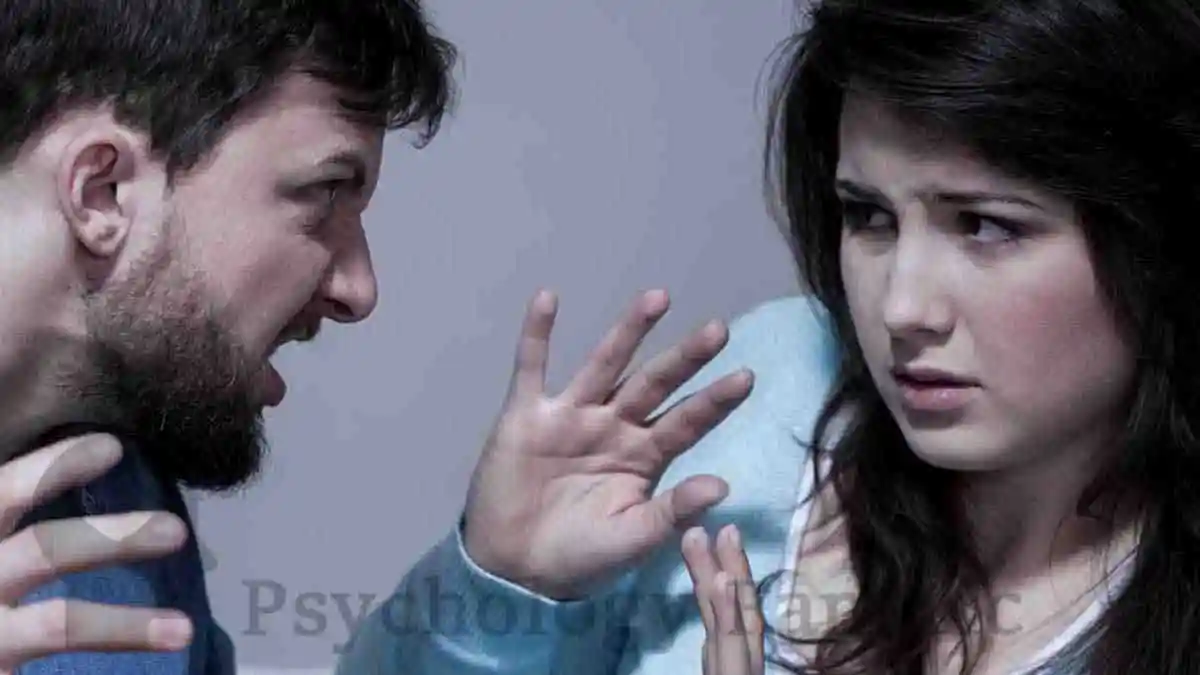
Healing From Emotional Abuse: Overcoming the Nightmare
When engulfed in the pain and trauma of an emotionally abusive relationship, escape appears as the only necessary step for recovery. We focus on the brightness at the end of the tunnel as we plan our release from the hell of broken dreams. Most find that the shimmering light is only a mirage. The prolonged trauma leaves a significant stain on our souls, continuing to cripple our happiness. The disappointment of reality, sadly, drives many back into the chaos of abuse. However, healing from emotional abuse is possible. We can live and love again.
No one deserves to be abused—emotionally or physically. No matter what our childhood experience, personality flaws, or weaknesses abuse serves no purpose other than exploiting, manipulating and suffocating the joy out of life. Life in toxic environments becomes one long nightmare.
What Behaviors Constitute Emotional Abuse?
Emotional abuse involves a range of behaviors aimed at controlling, manipulating, and undermining a person’s emotional well-being. Here are some common behaviors that constitute emotional abuse:
- Verbal Assaults: This includes yelling, name-calling, and constant criticism.
- Gaslighting: Making someone doubt their reality or sanity by denying facts, memories, or feelings.
- Isolation: Restricting someone’s freedom by controlling who they see, where they go, and what they do (Engel, 2020).
- Manipulation: Using guilt, fear, or other tactics to control someone’s actions or decisions.
- Threats: Threatening harm to the person, their loved ones, or their property.
- Humiliation: Embarrassing or shaming someone, especially in public (Gillette, 2022).
- Emotional Blackmail: Using intimate knowledge to manipulate or control someone (Engel, 2020).
- Withholding Affection: Refusing to show love, approval, or affection as a form of punishment.
See Emotional Abuse for more on this topic
Unhealthy Behavior Patterns
No relationship is perfect. We may occasionally say or do things that cross the lines, unhealthy and manipulating in nature. However, the caring partner, and emotionally intelligent individual catches these momentary lapses in behavior, accepts responsibility, and employs corrective action, The unhealthy interpersonal behaviors do not represent a frequent and ongoing pattern.
Robin Karr-Morse and Meredith S. Wiley explain that we tend “to replicate familiar relationship patterns and confirm the view we formed early of how relationships work” (Karr-Morse & Wiley, 2014).
According to experts, even happy couples “aren’t immune to negative relationship patterns.” However, if you can catch it early enough and do something about it, you can “prevent those bad relationship patterns from hurting your relationship” (Fellizar, 2019).
Healthy relationships lift, build, and promote individual growth.
See Unhealthy Relationship Patterns for more on this topic
The Damage Caused by Emotional Abuse
Emotional abuse, unlike its physical counterpart, often leaves invisible but deeply entrenched scars that can significantly impact an individual’s mental health over time. Emotional scars are most often invisible (Maté, 2008). While physical abuse may result in visible injuries and bruises, emotional abuse manifests through psychological manipulation and control tactics that chip away at a person’s self-esteem and sense of worth.
The long-term effects of such trauma can lead to debilitating mental health issues, including chronic anxiety and depression. These conditions not only hinder one’s ability to enjoy life but also create a pervasive sense of despair that can feel insurmountable. However, they can be deeply entrenched, with the personality and defense mechanisms of someone growing up in a limited environment carrying the vestiges of that early experience for life (Burgo, 2012).
Emotional Abuse Interferes with Growth and Development
The environment in which emotional abuse occurs plays a crucial role in the development of these mental health challenges. High-stress environments where emotional intelligence is stifled contribute to an individual’s inability to cope effectively with their circumstances. In such settings, victims often find themselves overwhelmed by the constant demands for survival—both emotionally and psychologically—as they navigate complex dynamics fraught with manipulation and deceit. This state of heightened stress hampers personal growth and recovery, making it difficult for individuals to regain their footing after escaping abusive relationships.
Recognizing the toll that emotional abuse takes is vital in the healing process. It serves as a reminder that recovery involves more than just leaving a toxic situation; it requires intentional steps toward rebuilding one’s self-worth and emotional resilience. Victims must confront their past experiences head-on, acknowledging the pain while seeking support from trusted friends or professionals who understand the intricacies of emotional trauma. Only through purposeful actions aimed at healing—such as therapy, self-care practices, and establishing supportive networks—can individuals begin to reclaim their lives from the shadows cast by years of manipulation and harm.
Abusive Relationships Difficult to Leave
Abusive partners often play the role of a damaging narcotic in addiction. Although an abusive relationship is psychologically damaging, we often find comfort in the familiarity. When the new life appears away from an abuser out-matches resources, the victim often returns to the poison. They justify the foolishness, soothing the craziness with thoughts such as, “this time will be different,” or “(s)he really loves me.”
Just like the years of manipulation in the relationship, abusive partners continue to manipulate after the escape. Promises, emotions and threats are the likely tools. Truths are blurred, resolutions weakened and promise of a magical change titillating. Fool’s gold sparkles.
Studies support the difficulty of leaving an abusive relationship. Once abuse begins, it is unclear how to best leave. Unfortunately many victims after attempting to end the relationship return to the abuser one or more times. Yael Lahav wrote “although the decision to leave a violent partner may seem obvious choice given the negative consequences of intimate partner violence, ending an abusive relationship appears to be extremely complicated and to require several attempts” (Lahav, 2023).
“When the new life out-matches our resources, we return to the poison that originally damaged our souls.”
Lack of Empathy and Abuse
While many abusers can articulate their sadness and loneliness, they often lack empathy. They completely ignore the damage and hurt, unphased by the severity of the impact from their abuse. This is the waving red flag that nothing has changed. Although ‘I’m sorry’ and ‘forgive me’ may litter their frantic pleas, the heartfelt empathy for your experience is missing. The words lay hollow against the backdrop of selfishness. Jumping in and out of these relationships prolongs healing and motivates manipulative actions to force a return to the dark world of a non-existent self.
Barbara Engel explains:
“One of the most disturbing elements of this aggression is that it is often accompanied by a detached, cold lack of empathy. They may show regret (an intellectual response) but not remorse (an emotional response) when confronted about their aggressive or cruel behaviors” (Engel, 2003).
See Empathy Deficit Disorder for more on this topic
Important Steps to Aid Healing
Healing from these noxious and toxic people doesn’t occur through escape alone. We must take purposeful action to heal from emotional abuse. The healing, also, can’t be done in the privacy of our own homes. We need help.
We must surround ourselves with strong, positive influences. Not necessarily another relationship. Often a quick jump into another intimate romance magnifies the hurt. We still are suffering from emotional blindness, unable to see the magnitude of the complexity. Another hawk quickly swoops in and deprives us of self-discovery, taking advantage of weakness, and imposing their stronger will.
Seek Social Support
Churches, groups, classes, and of course therapy are all helpful during the initial months of healing. They provide support as we get our lives back on track, discovering hidden aspects of our inner lives. We need to reset the balance—a new homeostatic norm. Years of chaos and unpredictable collisions confuses reality, disabling normal wisdom that flows from feelings.
The dysregulated system easily misses obvious signs of abuse in potential new partners. The romance blinds logic and leaves the crippled heart ripe for another round of abuse. Like a fractured leg is incapable of full function, even after the bone is set and bandaged, so is our emotional lives. We need time to heal from emotional abuse before placing the weight of another stormy romance on the shaky limbs of recovering emotions and a dysregulated systems.
Emotional Connection and Healing
Dr. Sue Johnson teaches:
“Emotional connection is crucial to healing. In fact, trauma experts overwhelmingly agree that the best predictor of the impact of any trauma is not the severity of the event, but whether we can seek and take comfort from others” (Johnson, 2008).
Having healthy others in our lives, outside of a romantic rebound, helps us process the hurt. With a close friend or family member, we can safely share our emotions, validate our experience, and receive from their strength to regulate the pain. In psychology, we refer to this as dyadic regulation. Connections provide a steroidal boost to our wound, igniting growth and repair of damaged tissue. We need someone to see and share our hurt, not left alone to suffer.
Robert J. Waldinger, and Marc Schulz wrote:
“The thrill of connection happens both for the person being seen and the person doing the seeing” (Waldinger & Schultz, 2023).
See Social Support Theory for more on this topic
Allow Time for Healing
We must be patient and kind to ourselves during healing. If we continue to belittle ourselves, or ignore the magnitude of our feelings, we perpetuate the wounds. We must forgive ourselves for the failed relationship, for continuing to stay despite signs of harm, for lack of strengths to protect our wellness. Our harshness and judgments often are simply symptoms of abuse. Our brains incorporate the harsh realities of the environment. We treat ourselves with the nastiness that once intruded from the outer world. The years of poison lace our new escape. It will take time to detoxify. The abuser treated us with hate long enough, why must we continue with self hate?
Self Care
Healing from emotional abuse requires a tremendous amount of self-care. Typically, during the throes of abuse, we neglect the self—becoming a non-entity only serving the needs of a narcissistic partner. We must counter the years of neglect, learning new habits, dismissing negative feelings (guilt) that surround any attempts of self-kindness. We are worthy of kindness. Healthy environments provide the mental hygiene necessary to heal.
We must engage in activities that nourish our souls, rebuilding confidence. We must regain the appreciation for ourselves, noticing the beauty living inside. Self-nourishing behavior is circular and cumulative. Our capacity to appreciate and protect well-being increases when we purposely provide compassionate attention to our weary soul.
Ideas for self-care:
- spend time in nature
- go out with some friends
- treat yourself to something you always wanted
- join an exercise class (yoga, spinning, dance, etc.)
- meditation or mindfulness practices
See Self-Care for more on this topic
Boundaries
After leaving an abusive relationship, before starting another romance is the time to reflect and learn from the experience. Here we can gain perspective from the progression of abuse. Early in relationships, the abusive partner is difficult to identify. Everyone is on their best behavior. This is a little frightening. Will this new person in my life remain loving and kind or will, with time, turn into a tyrant? Boundaries create a protective barrier. They protect but they also teach. If we set boundaries that a new partner fails to respect, then a warning signal should ring loud.
Adelyn Birch in her book Boundaries after a pathological relationship wrote that Boundaries, combined with experience and knowledge, “can help you avoid becoming involved in another abusive relationship.” She continues, explaining that, “If you start setting verbal boundaries with a dangerous person, they will see it as a challenge they need to defeat” (Birch, 2014).
See Relationship Boundaries for more on this topic
Resources for Support
Supporting victims of domestic violence is crucial, and there are several resources available to help:
- National Domestic Violence Hotline: This hotline offers confidential support 24/7. You can call them at 800-799-SAFE (7233) or visit their website for more information.
- Local Domestic Violence Agencies: Many states have coalitions and organizations dedicated to supporting victims.
- Joyful Heart Foundation: This organization offers resources for victims and their families, including counseling and support groups.
- Verywell Mind: They provide practical advice on how to help victims, including finding shelters, legal assistance, and counseling services.
- DomesticShelters.org: This site allows you to search for local shelters and advocates by entering your ZIP code. They also offer information on counseling and mental health services.
If you or someone you know is in immediate danger, please call 911. For ongoing support, these resources can provide the necessary help and guidance.
Associated Concepts
- Emotional Validation: This is the act of recognizing, accepting, and affirming the emotions and feelings of another person. It involves actively listening to their experiences, acknowledging their emotions as valid, and expressing understanding and empathy towards their emotional state.
- Autonomy in Relationships: This refers to the ability and freedom for each individual to make their own decisions, express their own opinions, and pursue their own interests within the context of the relationship.
- Codependent Relationships: This is a behavioral condition in a relationship where one person enables another person’s addictive or self-destructive behavior. This can manifest as an excessive reliance on the needs of others for self-esteem and identity, while neglecting one’s own needs and well-being.
- Relationship Drama: This refers to explosive relationships. Some codependent relationships have this explosiveness.
- Intimate Relationships: These relationships have a close, deep, and emotional connection between individuals. It involves a sense of familiarity, trust, and vulnerability, as well as the sharing of thoughts, feelings, and experiences.
- Adverse Childhood Experiences (ACEs): This refers to potentially traumatic events that occur during childhood (0-17 years). These experiences can include various forms of abuse, neglect, witnessing violence, and growing up in a household with mental health or substance use problems.
- Toxic Home Environments: refers to a setting or situation that is harmful, detrimental, or detrimental to one’s mental and emotional well-being. This can encompass various forms of psychological, emotional, or even physical harm, often leading to stress, anxiety, depression, and other negative effects on an individual’s mental health.
A Few Words by Psychology Fanatic
Healing from emotional abuse is a journey that requires patience, self-compassion, and support. Remember, it’s okay to seek help and lean on others during this time. Surround yourself with positive influences, engage in activities that bring you joy, and take small steps towards rebuilding your self-esteem and confidence.
We can recover. We can enjoy the beauties of a flourishing life despite the extended derailment of development from abuse. Life can bloom once again. The dreams we fostered as a child may bless our new life as we move forward with added wisdom and purposeful healing.
As you move forward, know that healing is not linear, and it’s perfectly normal to have setbacks. Celebrate your progress, no matter how small, and be kind to yourself. You deserve to live a life free from abuse, filled with love, respect, and happiness. If you or someone you know is struggling, don’t hesitate to reach out to a mental health professional or a support group. You are not alone, and there is hope for a brighter future.
Stay strong, and take care of yourself. Your journey to healing is a testament to your strength and resilience.
Last Update: December 24, 2025
References:
Birch, Adelyn (2014). Boundaries After a Pathological Relationship. CreateSpace Independent Publishing Platform. ISBN-10: 1523368829
(Return to Main Text)
Burgo, Joseph (2012). Why Do I Do That?: Psychological Defense Mechanisms and the Hidden Ways They Shape Our Lives. New Rise Press. ISBN-10: 0988443120
(Return to Main Text)
Engel, Beverly (2020). Demystifying Emotional Abuse. Psychology Today. Published: 12-13-2020. Accessed: 9-20-2024. Website: https://www.psychologytoday.com/
(Return to Main Text)
Engel, Beverly (2003). The Emotionally Abusive Relationship: How to Stop Being Abused and How to Stop Abusing. Wiley; 1st edition. ISBN: 978-1-394-17154-5
(Return to Main Text)
Fellizar, Kristine (2019). 7 Unhealthy Patterns That Can Seriously Impact Your Relationship. Bustle. Published: 3-7-2019; Accessed: 9-20-2024. Website: https://www.bustle.com/
(Return to Main Text)
Gillette, Hope (2022). Are You Experiencing Emotional Abuse and Not Aware of It? Psych Central. Published: 2-7-2022; Accessed: 9-20-2024. Website: https://psychcentral.com/lib/emotional-abuse-signs
(Return to Main Text)
Johnson, Susan M. (2008). Hold Me Tight: Seven Conversations for a Lifetime of Love. Basic Books; First Edition. ISBN-13: 9780316113007
(Return to Main Text)
Karr-Morse, Robin; Wiley, Meredith S. (2014). Ghosts from the Nursery: Tracing the Roots of Violence. Atlantic Monthly Press; 1st edition. ISBN-10: 0802196330
(Return to Main Text)
Lahav, Yael (2023). Hyper-Sensitivity to the Perpetrator and the Likelihood of Returning to Abusive Relationships. Journal of Interpersonal Violence: Concerned with the Study and Treatment of Victims and Perpetrators of Physical and Sexual Violence,38(1-2), 1815-1841. DOI: 10.1177/08862605221092075
(Return to Main Text)
Maté, Gabor (2008). When the Body Says No. Trade Paper Press; 1st edition. ISBN-10: 0470349476
(Return to Main Text)
Waldinger, Robert J.; Schulz. Marc (2023). The Good Life: Lessons from the World’s Longest Scientific Study of Happiness. Simon & Schuster. ISBN-10: 1982166703
(Return to Main Text)