
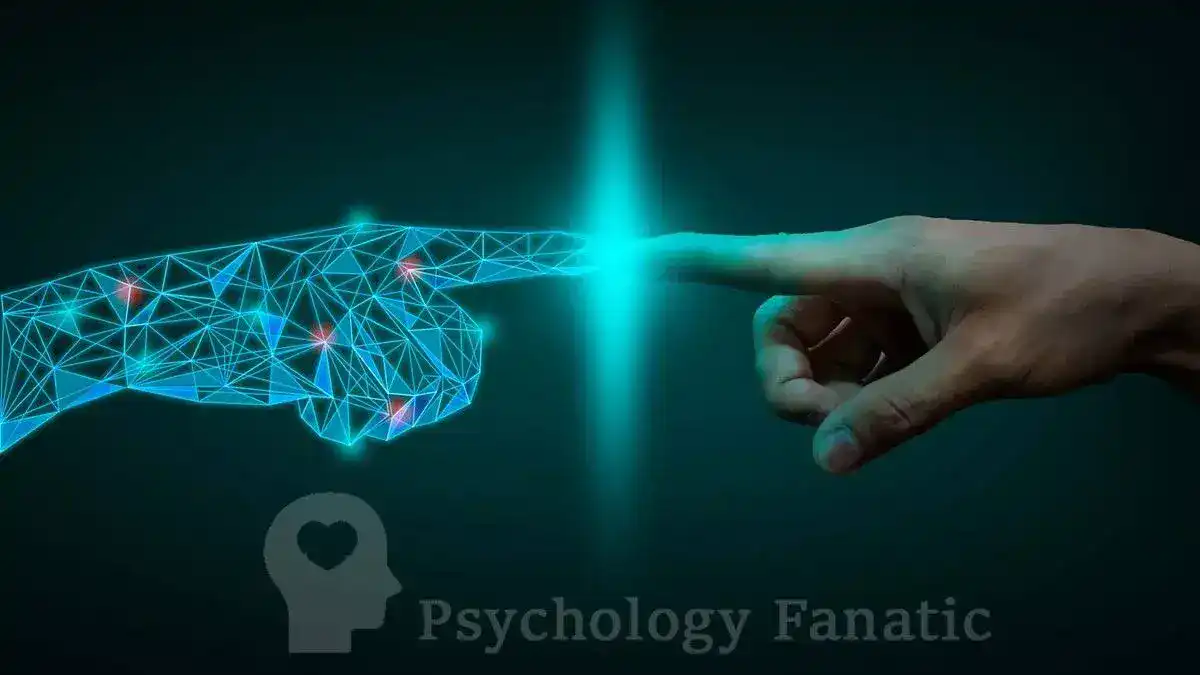
Exploring the Psychology of Human Connection
In the growing world of artificial intelligence, human connections are suffering. Social media has even changed our human connections. No longer face to face sharing of emotion, but we connect through words flashing on a screen punctuated with a yellow smiling face emoji. The digital age forcefully forged new modes of communication, pleasurable at first, necessary later, during those dark days of COVID isolation. In the glorious advance of technology, we are losing something special, perhaps, even necessary for wellness. We are losing human connection.
The psychology of human connection expands beyond simple relationships, examining our universal need to connect. Our relationships contribute to our cognitive, emotional, and physical health. Factors such as attachment styles, empathy, communication patterns, and social influences play a significant role in shaping the psychology of human connections. Additionally, concepts like social identity, trust, and the impact of technology on relationships are also relevant in this context. Understanding the psychology of human connections can provide insight into the complexities of human interactions and help individuals foster healthier and more fulfilling relationships.
The Digital Age’s Assault on Human Connection
Nitin Seth wrote:
“Rapid advances in cutting-edge technologies such as Artificial Intelligence, Machine Learning (ML), and Deep Learning (DL), are bringing about radical changes in people’s habits, routines, behavior, and relationship” (Seth, 2022).
One of the early industries impacted by our advancements was the medical field.
Doctors, nurses, and health care workers slowly disconnected from patients, providing medication and high tech solutions but failing to provide a basic need of human connection. A decade long project is in progress to reestablish a compassionate connection between doctor and patient.
Other industries are now entering the same phase of human disconnection. We can order food from an app and pick it up off our doorstep without even saying hello or sharing a smile with any of the parties involved. Perhaps, the expanding separation from others contributes to the meanness we see on social media forums. Healthy disagreements quickly turn to nasty name calling and threats. Public figures lives are marred by speculation and rumors. The more sickening the rumor, the greater the viral spread.
Childhood Connection and Healthy Development
Research is clear. Healthy childhood connections prepare children for healthier lives. We see this play out in addictions, crime, and happiness. Many studies have shown that “a cohesive support/social network and healthy attachments in childhood predict low risk of later addiction” (Clements et al., 2022)
In an interesting article on a nursing program that has added compassionate care to the undergraduate curriculum wrote:
“It is more than dignity, more than empathy. It is about the relationship that we have with someone else. It is something to which we respond, human to human” (Trueland, 2009).
In their wonderful and ageless book Ghosts From the Nursery, Robin Karr-Morse and Meredith S, Wiley wrote:
“Emotional attunement is the cradle of human connection. Tiny interactions between each infant and his mother create threads of empathy that together form the warp and woof of the tapestry we call community, a tapestry that is weakened by each thread that is frayed or broken” (Karr-Morse & Wiley, 2014).
Robert J. Waldinger and Marc Schulz in a recent book recounting what they have learned from the Harvard Longitude study wrote:
“Good relationships are significant enough that if we had to take all eighty-four years of the Harvard Study and boil it down to a single principle for living, one life investment that is supported by similar findings across a wide variety of other studies, it would be this: Good relationships keep us healthier and happier. Period. So if you’re going to make that one choice, that single decision that could best ensure your own health and happiness, science tells us that your choice should be to cultivate warm relationships. Of all kinds” (Waldinger & Schulz, 2023).
Articles on Attachment and Childhood Development
Some key articles at Psychology Fanatic on this essential topic are:
- Attachment Theory
- Emotional Attunement
- Attachment Styles
- Secure Base
- Strange Situation
- Belongingness
- Still Face
Human Connection and Loneliness
Seems pretty obvious, right? A solution to loneliness is human connection. John T. Cacioppo and William Patrick explain that human connection is more than just contact or conversation. They wrote, “The solution to loneliness is not quantity but quality of relationships. Human connections have to be meaningful and satisfying for each of the people involved” (Cacioppo & Patrick, 2008). Healthy, mutually satisfying human connection provides validation and security, a few of the essential ingredients for growth.
People flock to social media seeking human connection. However, as Cacioppo and Patrick explain their pursuit for connection may be misguided. They are “driven by a deeper craving for human connection that they simply don’t know how to pursue” (Cacioppo & Patrick, 2008).
Perhaps, this is why internet connections turn so mean. At least through shock, a poster may draw attention, with thousands jumping on the bandwagon. The viral post screams connection with countless likes and shares but the poster remains empty without any significant connection. Their emotional life still strangely unsupported or validated.
See Loneliness Epidemic for more on this topic
Social Psychology
The psychology of human connection belongs in the larger category of social psychology.
Social psychology is the study of how people’s thoughts, feelings, and behaviors are influenced by the actual, imagined, or implied presence of others. It explores topics such as conformity, social influence, attitudes, prejudice, and interpersonal relationships. Researchers in social psychology seek to understand how individuals perceive and interact with others, as well as how they are influenced by social situations and cultural factors.
Social psychology utilizes various research methods, including experiments, surveys, and observations, to investigate social phenomena and contribute to our understanding of human behavior within social contexts. This field offers valuable insights into the dynamics of social interactions and can be applied to diverse areas such as marketing, education, politics, and communication.
See Social Psychology for more on this fascinating topic
Associated Concepts
- Social Neuroscience: This field studies how our brain is wired to connect with others. Research by scientists like Matthew Lieberman suggests that our need for social connection is as fundamental as our need for food and water, and that social pain, such as feeling snubbed or experiencing cruel words, is as real as physical pain.
- Social Identity Theory: This theory posits that a person’s sense of who they are is based on their group membership(s). The theory suggests that groups give us a sense of social identity: a sense of belonging to the social world.
- Attachment Theory: Developed by John Bowlby and Mary Ainsworth, this theory explains how the parent-child relationship emerges and influences subsequent development. It also extends to adults, where attachment styles can affect relationships and the need for connection.
- Self-Determination Theory: This theory, developed by Ryan and Deci, emphasizes the role of autonomy, competence, and relatedness. The need for relatedness involves connecting with others in meaningful ways and is considered a fundamental psychological need.
- Maslow’s Hierarchy of Needs: In this theory, social belonging is one of the five human needs. After our environment meets our physiological and safety needs, individuals seek to fulfill their social needs of belonging and love.
- Social Capital Theory: This theory looks at the value of social networks and the roles that trust, cooperation, and norms play in a society. It suggests that social connections can yield benefits like resources, information, and emotional support.
- Social Support Theory: This concept involves the perception and actuality that one is cared for, has assistance available from other people, and that one is part of a supportive social network.
A Few Words from Psychology Fanatic
In conclusion, the human need for connection is an intrinsic part of our existence. It shapes our experiences, drives our ambitions, and provides comfort in our moments of need. As we navigate through the complexities of modern life, let us remember that our social bonds are not just pleasant additions to our lives but are essential to our psychological and physical well-being.
Whether it’s a smile shared between strangers or the deep understanding between close friends, every interaction weaves into the tapestry of our social fabric. So, let’s cherish these connections, nurture them with kindness and empathy, and recognize that together, we are more resilient, more creative, and indeed, more human. For in the warmth of our togetherness, we find the strength to face the world, and in the mirror of others, we see ourselves.
Businesses, medical facilities, and government policy can help but ultimately our wellness comes down to us as individuals. We must break out of our isolating routines, reach out to groups, friends, and organizations to boost the quality of our human connections.
Last Update: January 29, 2026
References:
Cacioppo, John; Patrick, William (2008). Loneliness: Human Nature and the Need for Social Connection. W. W. Norton & Company. ISBN: 978-0-393-33528-6; APA Record: 2008-07755-000
(Return to Main Text)
Clements, A.; Unterrainer, H.; Cook, C. (2022). Editorial: Human Connection as a Treatment for Addiction. Frontiers in Psychology. DOI: 10.3389/fpsyg.2022.964671
(Return to Main Text)
Karr-Morse, Robin; Wiley, Meredith S. (2014). Ghosts from the Nursery: Tracing the Roots of Violence. Atlantic Monthly Press; 1st edition. ISBN-10: 0802196330
(Return to Main Text)
Seth, Nitin. (2022). The Organizational Importance of Human Connection in the Age of Artificial Intelligence. Leader To Leader 2022.104 (2022): 53-58. DOI: 10.1002/ltl.20632
(Return to Main Text)
Trueland, J. (2009). Compassion through human connection. Nursing Standard, 23(48), 19-21. DOI: 10.7748/ns.23.48.19.s25
(Return to Main Text)
Waldinger, Robert J.; Schulz. Marc (2023). The Good Life: Lessons from the World’s Longest Scientific Study of Happiness. Simon & Schuster. ISBN-10: 1982166703
(Return to Main Text)