
The Legacy of Love: A Lesson in Building a Life of Love
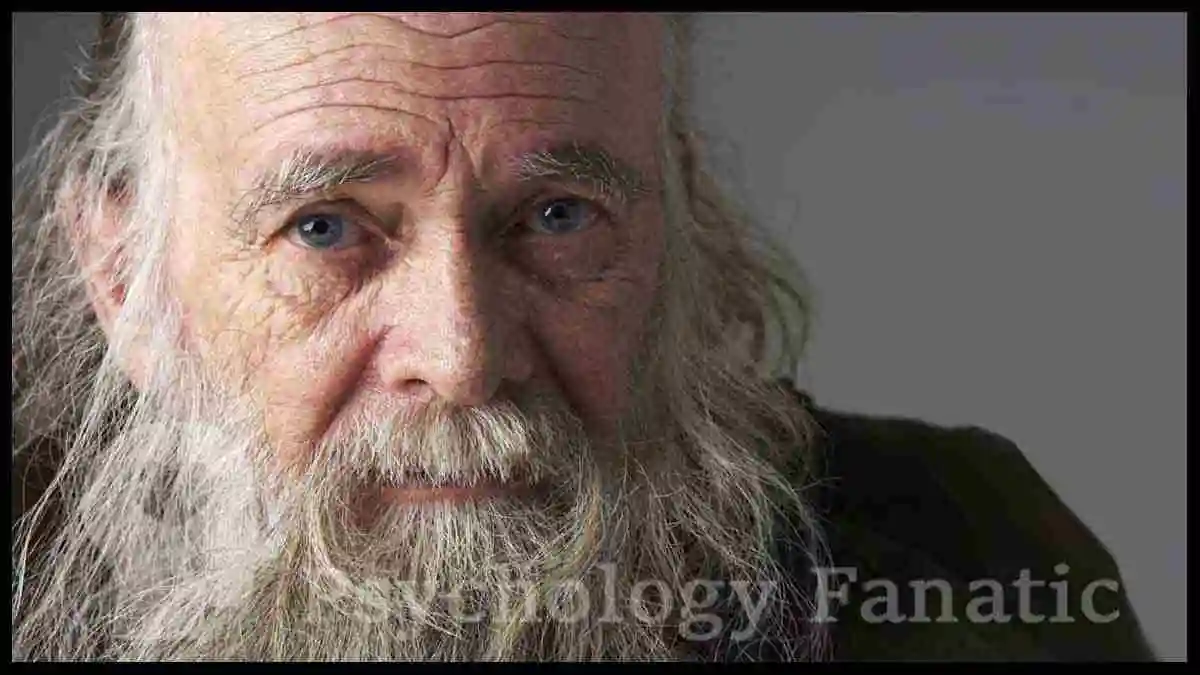
Yesterday, I conversed with a homeless man. Intoxicated and frustrated, he called me vile names. He mocked me, threatened my family, and spat at me. He wore urine stained clothing and had no food in his tummy; he appeared miserable. His meanness, I quickly forgave, knowing his story is deeper and more complex than I could draw from a momentary contact. After nearly two decades of policing a major city, I have learned not to take interactions personally. His physical and mental condition, however, gave me great sorrow. Pain and loneliness were his daily companions.
One wonders whether this man had family that cared for him. Was he just another of many forgotten people on this planet of ours? Unfortunately, He will likely die alone, like so many unhoused people do, while living in a large metropolitan area, surrounded by people. He will leave no legacy of love.
A few hours after this unpleasant encounter, I was dispatched to the home of an 88-year-old man who passed away during the night. During my time in this house, family and friends continuously flowed through the door, lingered in the room, and said their goodbyes. Over several hours, dozens of friends and relatives flooded the small rooms of this modest home. Over the course of this man’s long life, he built a legacy of love. I felt as if I stood on sacred ground.
Key Definition:
Leaving a Legacy of Love refers to our example and kindness living on after we leave this world. Our relationships create our legacy.
Life Is a Complex Blend of Choices and Fate
Neither the life of this recently deceased father, grandfather and friend nor the life of the struggling alcoholic were the expression of a single act. Their lives were composed of many proceeding days, choices and interactions. Our acts of kindness or meanness slowly create our legacy of love.
We build the essence of our being through relationships. Do we hate the world and, in return, find that the world hates us? Or do we love the world and, in return, find that the world loves us?
One man died surrounded by friends and family, each with cherished memories of closeness; the other, sadly, will most likely die a lonely hermit. His meanness drives others from his life. In an odd interplay of fate and autonomy, our lives are formed. In psychology, this is referred to as reciprocal determinism. Our actions impact our environment and our environment impacts our actions. Around and around we go, slowly becoming.
Leonard Mlodinow, an American theoretical physicist, wrote:
“The outline of our lives, like the candle’s flame, is continuously coaxed in new directions by a variety of random events that, along with our responses to them, determine our fate. As a result, life is both hard to predict and hard to interpret” (Mlodinow, 2008. p. 97).
Every Act of Kindness Builds a Legacy of Love
The independent forces that influenced the development of these two different men remain unknown to the casual observer. We can, and should, show compassion to both men. However, I do know that the seemingly small paths we take early in life largely determine the circumstances surrounding us later in life. Accordingly, each act of kindness reverberates through our futures, forming or destroying our legacy.
The choices we make, no matter how trivial they may seem at the time, create a ripple effect in our lives and the lives of others. Each interaction we have is an opportunity to either uplift or diminish those around us. In a world where negativity often dominates headlines, it’s essential to remember that kindness can be just as contagious as anger. When we choose to act with compassion, we inspire others to do the same, creating a network of support and love that extends far beyond our immediate reach.
Moreover, understanding the complexities of each individual’s story encourages empathy rather than judgment. We might encounter people who appear unkind or troubled without knowing what battles they face behind their façade. By recognizing this shared humanity, we foster connections that transcend superficial differences. It is through these connections—rooted in understanding and forgiveness—that true legacies are built. These legacies not defined by wealth or status but by the hearts we’ve touched along our journey.
“Sow a thought and you reap an action; sow an act and you reap a habit; sow a habit and you reap a character; sow a character and you reap a destiny.”
~Ralph Waldo Emerson
Things We Can Do to BThings We Can Do to Build Our Legacy of Love
A legacy of love is rarely built in grand moments. More often, it forms quietly through repeated acts of care. We smile when it would be easier to turn away. We listen when someone needs to be heard. We show up, again and again, in the ordinary places where affection, patience, and kindness are needed most.
These small actions may seem insignificant at the time. A kind word. A note of gratitude. A phone call. A shared meal. A moment of encouragement. Yet these are the threads that bind lives together. Over time, they become memories. They become the warmth others carry when they think of us.
Relationships require tending. Love weakens when neglected and deepens when practiced. We build a legacy of love when we invest time in family, friendships, and community. We create traditions, share stories, forgive injuries where forgiveness is possible, and repair what can be repaired. We make room for others—not only in our schedules, but in our hearts.
Listening is one of the simplest and most powerful forms of love. When we give another person our full attention, we tell them, without many words, You matter. Your experience matters. I am here with you. Many people do not need us to solve their lives. They need us to be present enough that they do not feel alone inside them.
A legacy of love also grows through service. We extend care beyond the narrow circle of our own needs. We help a neighbor, support a cause, volunteer, comfort, encourage, or quietly reduce another person’s burden. These acts may never make us famous, but they may change the emotional weather of someone’s day—or even the direction of a life.
We also build this legacy by the way we respond to human imperfection. We practice forgiveness, not because every harm is small or every relationship should continue, but because resentment can harden the heart. We offer grace when we can. We take responsibility when we have caused pain. We remember that love is not only affection; it is also humility, repair, and the willingness to begin again.
Perhaps most importantly, we lead by example. The way we live teaches. Our children, friends, partners, coworkers, and neighbors learn from the emotional tone we bring into the world. If we move through life with contempt, others feel it. If we move with generosity, steadiness, and warmth, that too leaves a mark.
In the end, a legacy of love is not something we leave only after death. It is something we are creating now. It is built in the conversations we have today, the kindness we offer today, the patience we practice today, and the people we choose to love with our limited, imperfect, and precious lives.uild a Legacy of Love
Associated Concepts
- Convoy Theory: This theory explores the idea that individuals are surrounded by a network of close and more distant relationships that form a “convoy” of social support throughout their lives. This network includes family members, friends, colleagues, and other acquaintances who provide varying levels of support, guidance, and companionship.
- Prosocial Behaviors: This refers to voluntary actions intended to benefit others or society as a whole. This can include acts of kindness, cooperation, sharing, and helping, often without any expectation of rewards or benefits in return.
- Emotional Attunement: This practice involves understanding and responding to others’ emotions, fostering stronger relationships.
- Helper’s High: This refers to the feeling of euphoria, increased well-being, and reduced stress that people experience after engaging in acts of altruism or helping others. It’s a combination of physiological and psychological rewards associated with selfless behavior.
- Social Capital Theory: This Theory examines the value of social networks and relationships, emphasizing trust, cooperation, and collective well-being. It encompasses bonding, bridging, and linking social capital, leading to personal, economic, and community benefits.
- Altruism (A Defense Mechanism): This is a defense mechanism that involves acting in a selfless and compassionate manner towards others. It is characterized by prioritizing the needs and well-being of others over one’s own desires or interests.
- Interpersonal Theory: This theory focuses on the interactions, relationships, and communication between individuals. It explores how people’s behaviors, thoughts, and emotions are influenced by their interactions with others. These interactions shape their self-concept and identity.
A Few Words by Psychology Fanatic
As I reflect on my own journey, I realize that the true essence of life lies not in material possessions but in the relationships we cultivate and the love we share. Each moment spent with loved ones becomes a thread woven into the fabric of our legacy, creating a tapestry rich with laughter, support, and shared experiences.
I want to be surrounded by those I love. I hope my children, friends, and family will gather with warm memories when my journey ends. This is what I want. Consequently, I try to let these desires determine my behavior so I can leave a legacy of love. I invite you to pause for a moment—think about how your actions today can shape your tomorrow. Are you nurturing connections that matter? It’s never too late to start; every act of kindness or compassion adds another layer to your legacy.
Ultimately, building a legacy of love is an ongoing process that requires intention and mindfulness. We have the power to influence those around us positively and inspire others through our choices. So, let us commit together to live authentically, embracing vulnerability while extending grace toward ourselves and others. Let each day be an opportunity to sow seeds of kindness and understanding because it is these small yet profound actions that will echo long after we are gone. What kind of story do you wish to tell when all is said and done?
Last Update: June 2, 2026
References:
Mlodinow, Leonard (2008). The Drunkard’s Walk: How Randomness Rules Our Lives. Pantheon Books. ISBN: 9780375424045
(Return to Main Text)