
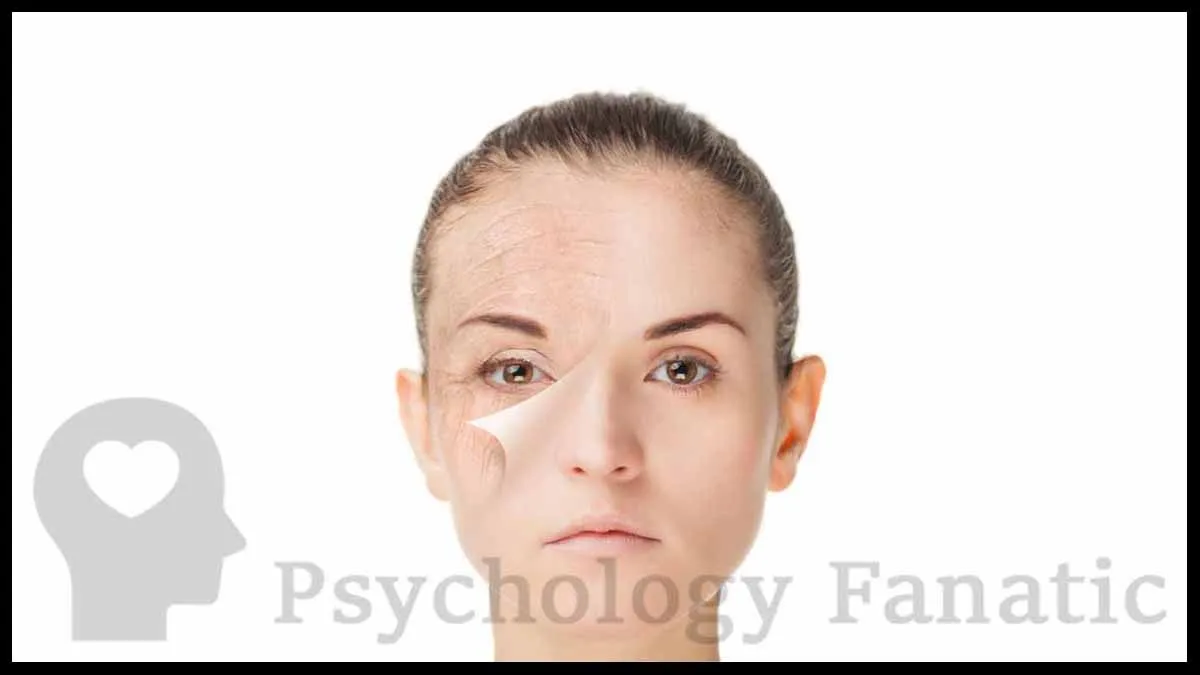
The Contradictions and Justifications that Accompany Our Humanness
I sit down to write a new essay on healthy living, while scarfing down the last piece of chocolate cake. But somehow, the paradox doesn’t register, I still perceive myself as healthy. Our actions often conflict with the ideals we carry—we act beneath our lofty self-perceptions—creating a dissonance between reality and perception; a divide begging for resolution. The contradictions sap precious energy, igniting discontent. Our non-conforming actions must be addressed or ignored. When our internal landscapes consist of fractured and conflicting elements, we stall; the conflict must be resolved to soothe the internal strife. Or, then again, maybe not. Being human is a confusing war between many internal and external forces.
We fill the gap between the reality of action and the ideals of self-perception in a variety of ways: we can accept we are essentially flawed; we can abandon the conflicting behaviors; or we can justify errant behaviors as acceptable. These paths of resolution are not mutually exclusive; we adopt mixtures and variations of all three. Each chosen resolution has costs and benefits. After all, being human is difficult stuff.
Key Definition:
Being human is to be part of the species Homo sapiens, characterized by the possession of traits such as self-awareness, cognition, language, and the capacity for complex social interactions. Being human also encompasses having emotions, the ability to reason, and the potential for moral and ethical considerations. Furthermore, being human entails experiencing the imperfections and flaws associated with our limited capabilities.
Human Foolishness and Limitations
Protective unconsciousness cloaks many internal conflicts, complicating constructive efforts to change. The discomfort motivates some form of action—not because we recognize the dissonance but to soothe irritation. There is a subtle but important difference. With many irritations, the body naturally and unconsciously reacts to resolve what doesn’t feel right. We think because we are human we act rationally. However, being human really is a mix, with an overabundance of foolishness. A lot of our behaviors are maladaptive.
We justify, deny and blame not for the defined reason of settling a conflict but because we are inclined to do so. In fact, we often don’t notice the internal contradictions, bewildered by the frustrations and discomfort, we react. Frustrated from unresolved issues, we lash out, or hide.
While we scuttle about trying to dodge our humanness, pretending perfection when our torn and tattered souls reign, a quiet voice whispers, “It’s okay. You are human.”
Philip Simmons (1956-2022), influential scholar and author on grief, suffering, and human resilience, beautifully wrote:
“We all suffer the limitations of our humanness: not just our aches and pains but our fear, our anger, our pettiness, our grief. Fact is, we do practice being human in every waking moment. And the more mindfully we practice, the more often our conflicts dissolve, the more easily we create new possibilities for relationship and community” (Simmons, 2003).
Self-Perceptions and Reality
Our self-perceptions never accurately define reality (or the genuine self). The genuine self is new age term—a label difficult to define, not a magical understanding of self. Who is the genuine self? Our lives are dynamic and complex, constantly in flux. Any solid definition of self will fail to meet the fluid change of an organism in a complex environment. However, a gap between ideas of self and reality still exist. An idealistic vision of self is a desire never fully satisfied, constantly demanding more success, more security, and more joy.
See Self-Perception Theory for more on this topic
Ideal Self
Reality can’t satisfy these idealistic hopes. Personal characteristics will always lack. Obtaining ideals isn’t the answer to resolve the disrupted life. Being human has little to do with obtaining ideals. All our pursuits of ideal fall short. Reaching towards ideals, while enjoying the present, is part of the answer. We must find avenues of enjoyment within the limitations of imperfection. We add to survival by including moments of enjoyment, lost in hobbies, close friendships, and achievements.
Our actions will occasionally drift from ideals, as with the morning enjoyment of the fattening piece of chocolate cake. Everyone has moments of greatness and smallness. We screw up by acting wrongly and expose our humanness; we shouldn’t joyfully accept faults, but also not shamefully deny them. Errant behaviors remind us of our humanness, stumblings to be accepted and then conscientiously addressed—the best we can.
Flaws don’t signal terribleness but the normalcy of being human. Our welcoming of awareness of blunders, without self-condemnations, invites constructive responses.
See Ideal Self for more on this topic
Perfectionism
Perfectionism, often mistakenly viewed as a positive trait, can be a significant source of inner turmoil. It involves an unrelenting pursuit of flawlessness, setting excessively high standards, and harshly judging oneself based on the inability to meet those unattainable goals. This constant striving for perfection can lead to a cycle of anxiety, self-criticism, and procrastination.
Perfectionists often fear failure and criticism, leading them to avoid challenges or procrastinate on tasks due to the overwhelming pressure to achieve perfection. This can severely limit their potential and hinder personal growth. Furthermore, the constant focus on flaws and shortcomings can erode self-esteem and contribute to feelings of inadequacy and worthlessness. Peter Gollwitzer and Gabriele Oettingen, leading authorities on goal setting, self-regulation, and motivation science, warn that “a high level of socially prescribed perfectionism is related to depression, anxiety disorders, and obsessive-compulsive symptoms” (Gollwitzer & Oettingen, 2017).
It’s crucial to recognize that perfection is an illusion. Embracing imperfections and learning from mistakes are essential for personal growth and well-being. Cultivating self-compassion, setting realistic goals, and focusing on progress rather than perfection can help individuals break free from the debilitating grip of perfectionism and live a more fulfilling and less stressful life.
Imperfect Human Relationships
Close relationships include being irritated and being irritating. Two people, especially those we depend on, occasionally strike nerves. Ideally, annoyances wouldn’t exist in intimacy—but real relationships aren’t ideal. Couple must address normal provocations without judging the relationship as flawed. If we believe a healthy relationship should never ruffle nerves, and irritations are unacceptable, then the inevitable conflicts will ignite anxiety that something is seriously wrong—with our partner. When all marital discomforts signals emergency, we are rebelling against reality, measuring the normal against unattainable dreams.
Our irascible temperament hurts the relationship. We attempt to fix non-existent problems, leading to more frustration, anger, and contempt. This self-righteous and unwarranted path vilifies partners for being human—perfectly imperfect. We need room for their imperfections.
Our impossible demands and following disappointments spread, leading to misattribution of causes, assigning critical character flaws to the humanness that further biases interpretations; neutral acts morph, being seen from a new negative context. We even may twist positive behaviors, distorting good into something more sinister. When positive is seen as negative, the relationship is dead—few relationships survive the harsh judgments of a critically biased mind; our dear sweet lover has become the enemy.
See Imperfect Bonds for more on this topic
Associated Concepts
- Self-Presentation Theory: This theory suggests that individuals strive to convey a favorable impression to others by managing their public image. It encompasses various aspects such as impression management, identity, and social interaction, and is often associated with social psychology and communication studies.
- Fear of Failure: This refers to the anxiety or apprehension related to the anticipation of failing at a task or in a specific situation. It can lead individuals to avoid taking risks or attempting new challenges due to the perceived negative consequences of failing.
- Perfectionism: This is a personality trait characterized by a person’s striving for flawlessness and setting excessively high performance standards, accompanied by critical self-evaluations and concerns regarding others’ evaluations.
- Expectations and Disappointments: This refers to the interrelation between unrealistic expectations and disappointment.
- All-or-Nothing Thinking: Perfectionists tend to think in black-and-white terms. They see things as either perfect or a complete failure, without recognizing the shades of gray in between.
- Impostor Syndrome: Some perfectionists experience impostor syndrome, where they believe their achievements are due to luck or external factors rather than their abilities. They feel like frauds despite evidence of their competence.
- Procrastination: Ironically, perfectionism can lead to procrastination. Fear of not meeting high standards can cause individuals to delay tasks or avoid them altogether.
A Few Words from Psychology Fanatic
Imperfections will always exist. We must not fear their existence. By noticing the intrusion of defenses, we can skeptically examine the cognitive dissonance between faulty expectations of perfection and deviating action. We don’t need to justify the chocolate cake or deny our consumption; but can understand the unhealthy implications of heavy calories and refined carbohydrates on our diets. We don’t self-condemn but watch a little closer and adjust where needed.
Accepting the imperfections of being human explodes, raining wellness into all areas of our lives. When we publicly acknowledge humanness, the public often responds with understanding. A partner knowing you are tired and irritated (because you acknowledged it) is more likely to be patient, understanding the tenseness is a deviation rather than a trait.
In relationships with ourselves and with others we must accept our imperfections of being human. This acceptance softens biases that cloud the lenses of perception. Triggered feelings that are accurately identified as a complex combination of behaviors are more easily processed. The clearer we identify unrealistic expectations, the more effective our response. With patience and compassion, the differences existing within ourselves and with our relationships with others can be accepted, addressed and improved.
Last Update: November 23, 2024
References:
Gollwitzer, Peter M.; Oettingen, Gabriele (2017). Planning Promotes Goal Striving. In K. D. Vohs, & R. F. Baumeister (Eds.), Handbook of Self-Regulation: Third Edition: Research, Theory, and Applications. The Guilford Press; Third edition. ISBN: 9781462520459.
(Return to Main Text)
Simmons, Phillip (2003). Learning to Fall: The Blessings of an Imperfect Life. Random House Publishing Group; Reprint edition. ISBN: 9780553381580
(Return to Main Text)
Related Articles

Kindsight

Perfectionism

Learning From Mistakes
