
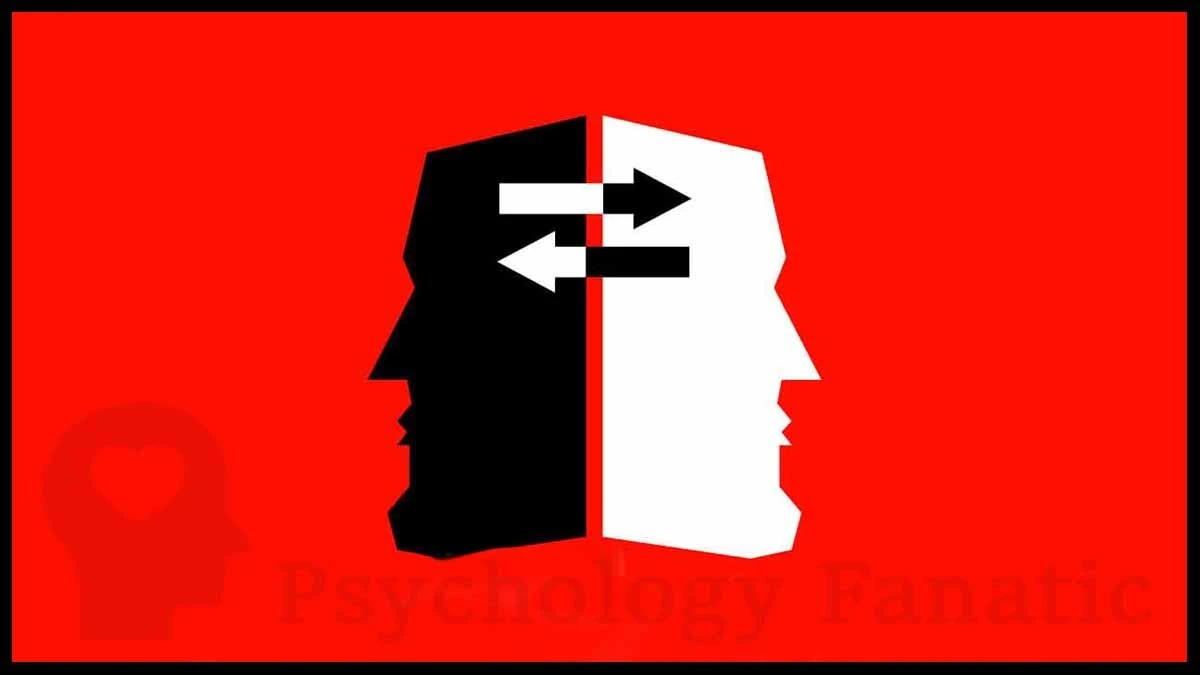
Opposing Demands: Navigating Life’s Complexities
Ever feel like you’re being pulled in a thousand directions at once, a human tug-of-war between competing desires? Welcome to the fundamental paradox of existence: the constant dance between opposing demands. We crave autonomy, the freedom to carve our own path, yet yearn for the comforting embrace of social acceptance, the sense of belonging that anchors us to the world. But these desires, like two magnets repelling each other, often force us to choose, to sacrifice one for the other, leaving us feeling perpetually torn. It’s a high-wire act played out on the tightrope of daily life, where time and energy become precious commodities, and stress and conflict lurk in the shadows.
This isn’t just a modern dilemma; it’s the very essence of the human experience. How do we reconcile the need for self-expression with the imperative to connect? How do we balance the pursuit of personal goals with the responsibilities we hold to others? The answer, as it turns out, lies not in choosing sides, but in developing the maturity, self-awareness, and adaptability required to navigate these complexities. It’s a journey of understanding the delicate balance between ‘me’ and ‘we,’ a quest for harmony that ultimately paves the way for fulfilling relationships and a life lived with purpose and well-being.
Key Definition:
Opposing demands on resources refer to the conflicting needs for time, energy, and attention that individuals may experience. This phenomenon can lead to feelings of stress, anxiety, and overwhelm as individuals try to balance competing priorities. In the context of wellness, it can manifest as a struggle to allocate resources between self-care activities, work responsibilities, and personal relationships, causing potential strain on mental and emotional well-being.
Introduction: Living with Contradictions: When Beliefs Collide
We believe nonsense because it tickles our soul, invoking security amidst the chaos. We fail to skeptically examine beliefs, allowing several contradicting ideas to simultaneously live in our minds. And, we cheer for large movements but fight against the personal implications of those movements. A notable conflict is our desire for both autonomy and social acceptance (Murphy, 2024). But these desires conflict—to fulfill one, we must neglect the other. We cite magical antidotal messages to soothe the conflict: Do what you want; never settle; you deserve the very best. But when this logic is not scrutinized against social commitment, we may severely damage relationships by sacrificing social contracts in selfish service of ourselves. Conversely, we also champion compassion, encouraging self-sacrifice to benefit the whole.
Paul Kurtz wrote:
“Humans are capable of autonomous behavior. Reason enables us to make intelligent choices. It thus can be an effective source of harmony, essential for the good life, by helping us to adjudicate between our conflicting desires and competing values” (Kurtz, 1997, p. 72).
Maturity entails the skill of balance, compromise, and priorities in the face of opposing demands.
Mihaly Csikszentmihalyi suggests that spirituality helps individuals balance opposing demands.
Csikszentmihalyi wrote:
“Spiritual activity aims at producing harmony among conflicting desires, it tries to find meaning among the chance events of life, and it tries to reconcile human goals with the natural forces that impinge on them from the environment” (Csikszentmihalyi, 2018).
Competing Desires
The two desires both have positive and negative consequences, depending on how each is integrated into the complex course of living. We can give, rudely neglecting the self, or we can stingily focus on ourselves, rudely ignoring others. Our lives easily become compartmentalized without examining the whole.
Eckhart Tolle wrote:
“Most egos have conflicting wants. They want different things at different times or may not even know what they want except they don’t want what is: the present moment. Unease, restlessness, boredom, anxiety, and dissatisfaction are the result of unfulfilled wanting” (Tolle, 2006).
Basically, when wants and desires conflict, where having one requires sacrificing the other, we must learn to live with having one of those desires unfulfilled.
“Being dragged in two different directions, simultaneously, should only create tension and stress. And yet some exciting and highly counter-intuitive research suggests that these conflicts can often work in our favour.”
The beauty of living, with all its colors, requires many threads. When we acknowledge complexity, we discover the immensity of experience. The shy, the gregarious, the compassionate, the stoic, and the intellect all bring different gifts to the party—each with strengths and weaknesses.
Any three-step guide (or five; or ten; or twelve) to happiness falls woefully short of the vast and differing needs of sufferers. Some should be kinder reaching out to others, while others might do better to focus more on themselves. Some should show less emotion, while others would do well to show more. Finding balance challenges everyone.
The Trials and Errors of Living
As we try to figure out life, we will contend with trials and errors. While balancing autonomy with connection, we will—at times—make choices that are destructive to relationships; Other times, we may cause self-harm through self neglect in service to a partner. There’s no exactness—no perfect instructions for balancing all our opposing needs. We gain benefits and lose benefits with each action.
We must have a vague sense of reality to proficiently navigate opposing demands, perceiving self-neglect and social distancing. With distorted views, we easily wander, confused by the relentless requests for time, effort and money. We may feel uncomfortable with a request but not able to explain what we are feeling. Watching the successful, the healthy-minded lovers of life, we can establish rudiments of a practical and useful structure. Ideally, we learn this in childhood.
I encounter opposing demands with my writing. I find great joy through research on and writing about well-being. But my research only serves my personal well-being when I carefully balance and integrate the discovered principles—too much time reading and writing, while neglecting other essential parts of my life would make me a hypocrite.
A healthy mind and body don’t spontaneously happen with knowledge; health requires properly directed effort, time and money. If I wait until all is done to care about my health, the other aspects of my life intrude, betraying wellness, something I proclaim to value.
Opposing Demands and Relationships
We must constantly balance the opposing demands—work and family; company and solitude; sacrifice and abundance; action and rest.
These concepts especially apply to our intimate relationships. Close relationships have developmental needs—when we neglect these needs, the relationship suffers. If we value the relationship, we must structure time. This requires managing resources. We must balance enjoyments with other necessities of living, structuring time for careers, hobbies, children, grandchildren, exercise, and certainly our lovely companions.
By structuring resources, we address opposing needs effectively; not overindulging one through complete sacrifice of the other. When requests for time and money intrude, our structured time gives us a reason to decline, or purposely adjust our schedule, working in another time to meet the need being sacrificed.
Our drive for acceptance may challenge commitments to autonomy—or vice versa. Many others will not have commitment or concern for our balance; blinded by their own pressing needs (wants), they disrespect our autonomous demands. An ex, a boss, or a grown child may constantly push to knock our lives out of balance. Doing the right thing isn’t simple.
The Primary Human Dilemma
The primary dilemma, at its core, represents the enduring tension between our innate, primal urges and the necessary compromises required for harmonious social living. We are driven by fundamental desires for survival, pleasure, and autonomy, yet we are also inherently social creatures, dependent on connection and acceptance for our well-being.
This creates a constant internal negotiation, a balancing act between satisfying our individual needs and adhering to the expectations of the social groups we belong to. The desire for immediate gratification, for example, might conflict with the need to maintain long-term relationships, demanding a level of self-regulation that doesn’t always come naturally. Kory Floyd wrote that humans “don’t just love to be loved; we need to be loved. And, perhaps equally as important, we need to be shown that we are loved” (Floyd, 2008).
This internal conflict between self and others necessitates the development of a mature ego, a psychological structure capable of mediating between these opposing forces (Murphy, 2023). A mature ego allows us to navigate the complexities of social interaction, balancing our personal desires with the needs of others. It involves the ability to delay gratification, to empathize with different perspectives, and to make choices that promote both individual well-being and social harmony. Without this capacity for self-regulation and social awareness, we risk either isolating ourselves through excessive individualism or sacrificing our own needs for the sake of conformity. The primary dilemma, therefore, is not merely a philosophical abstraction, but a lived experience that shapes our relationships, our choices, and our overall sense of fulfillment.
Managing the Primary Dilemma
Effectively managing this dilemma requires ongoing self-awareness and a commitment to personal growth. It means recognizing our own biases and tendencies, understanding the impact of our actions on others, and cultivating the ability to adapt and compromise when necessary.
This isn’t about suppressing our desires entirely, but about finding healthy and sustainable ways to express them within the context of our social relationships. It’s about developing the wisdom to discern when to prioritize our own needs and when to prioritize the needs of the collective. The primary dilemma is a lifelong journey, a continuous process of navigating the delicate balance between self and other. Sources and related content
See Primary Dilemma for more on this topic
Associated Concepts
- Prosocial Behaviors: These behaviors refers to voluntary actions intended to benefit others or society as a whole. This can include acts of kindness, cooperation, sharing, and helping, often without any expectation of rewards or benefits in return.
- Social Exchange Theory: This theory posits that prosocial behavior is a result of a cost-benefit analysis where individuals help others with the expectation of future reciprocation or benefits.
- Inner-Conflict: This concept refers to the mental and emotional struggle that occurs when a person experiences contradictory thoughts, beliefs, or feelings. This conflict often arises when an individual is faced with difficult decisions, moral dilemmas, or competing desires.
- Cognitive Coherence: This refers to the ability to maintain stability and consistency in one’s thoughts, emotions, and behaviors. When a person experiences psychological coherence, their beliefs, values, attitudes, and actions are generally aligned and in harmony with each other.
- Affect-Cognitive Consistency: This refers to the alignment or congruence between a person’s emotions (affective) and their thoughts (cognitive). When an individual’s emotions and thoughts are in harmony, there is a sense of internal consistency and stability.
- Cognitive Dissonance Theory: This refers to the mental discomfort or tension experienced when a person holds conflicting beliefs, attitudes, or values, or when their behavior contradicts their beliefs.
- Self-Consistency: This concept involves maintaining a consistent self-view. It is related to coherence as it emphasizes the alignment of one’s self-perception with their actions and experiences.
A Few Words by Psychology Fanatic
As you navigate the intricate web of opposing demands in your own life, remember that you are not alone in this balancing act. We all grapple with the tension between our individual desires and our need for connection. This understanding is not a burden, but a liberation. It allows us to approach our inner conflicts with compassion, recognizing that the struggle is inherent to the human experience. Embrace the moments of tension, not as signs of failure, but as opportunities for growth. Each time you consciously choose to balance your needs with those of others, you strengthen your capacity for both self-awareness and empathy.
We live among many great and selfish people, with different and conflicting needs. We must struggle through the distractions, gathering supportive friends, and finding healthy balances. Hence, we give; but we also must receive. We follow passion; but also, must structure time to fulfill the mundane necessities. We run; we walk; we rest. Each demand in their own time and own place.
So, go forth and embrace the beautiful messiness of your life. Dare to explore the delicate dance between autonomy and acceptance. Cultivate the maturity to navigate these opposing forces with grace and resilience. And remember, the journey is just as important as the destination. It’s in the constant negotiation, the moment-to-moment choices, that we discover the true depth of our character and the potential for a life lived with both purpose and connection. You have the power to create a life where your needs and the needs of those you love coexist, not in opposition, but in a beautiful, harmonious balance.
Last Update: November 10, 2025
References:
Csikszentmihalyi, Mihaly (2018). The Evolving Self: Psychology for the Third Millennium. HarperCollins; Reprint edition. ISBN: 9780062842589
(Return to Main Text)
Floyd, Kory (2008). Communicating Affection: Interpersonal Behavior and Social Context (Advances in Personal Relationships). Cambridge University Press. ISBN: 9780521731744
(Return to Main Text)
Kurtz, Paul (1997). The Courage to Become: The Virtues of Humanism. Bloomsbury Academic. ISBN: 9780275958978.
(Return to Main Text)
Murphy, T. Franklin (2024). Navigating the Primary Dilemma: Balancing Personal Needs and Social Acceptance. Psychology Fanatic. Published: 2-26-2024; Accessed: 3-5-2025. Website: https://psychologyfanatic.com/primary-dilemma/
(Return to Main Text)
Murphy, T. Franklin (2023). The Significance of Ego Development in Psychology. Psychology Fanatic. Published: 8-25-2023; Accessed: 3-5-2025. Website: https://psychologyfanatic.com/ego-development/
(Return to Main Text)
Tolle, Eckhart (2005). A New Earth: Awakening to Your Life’s Purpose. Penguin Publishing Group. ISBN: 9780525948025.
(Return to Main Text)
Related Articles

Honoring Commitments in Relationships

Positive Youth Development (PYD)

Core Living Skills
