
Masters of Living: Seizing Opportunities, Minimizing Losses
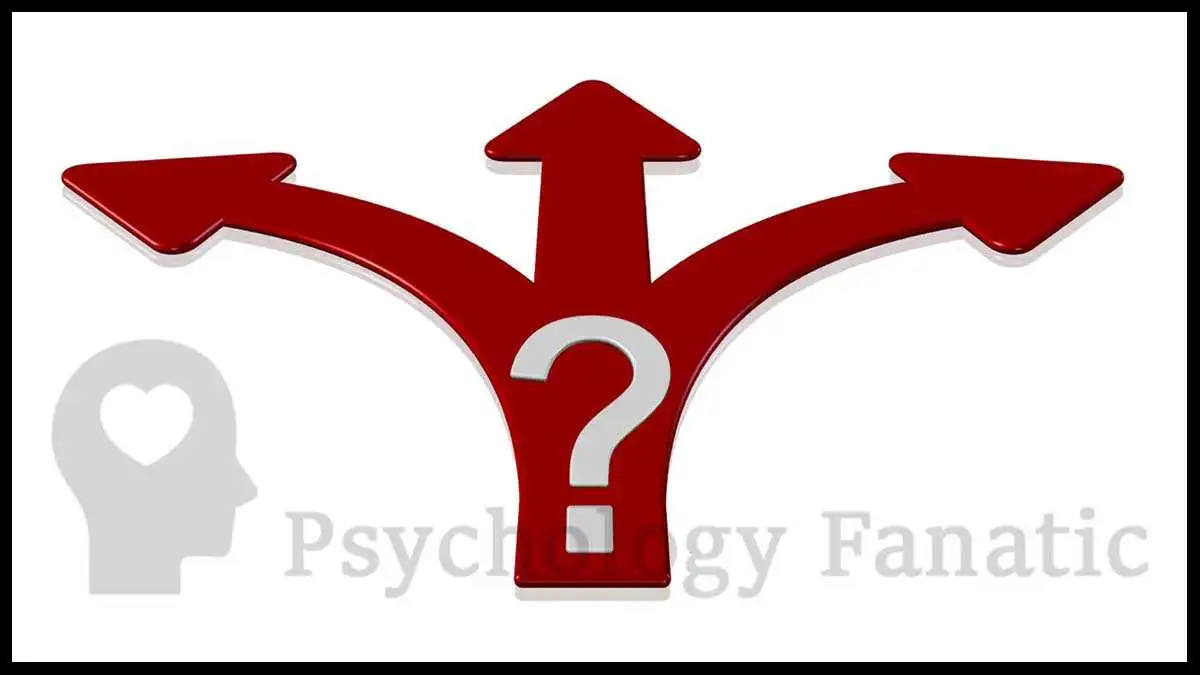
Life repeatedly brings us to forks in the road. We can stay or leave, speak or remain silent, risk or retreat, repair or abandon, continue down the familiar path or step toward something uncertain. Sometimes the choice is obvious. More often, it arrives quietly, disguised as an ordinary moment.
Masters of living are not people who avoid mistakes or control every outcome. They are people who notice these moments with greater clarity. They recognize opportunity before it dissolves into the past. They see danger before it becomes unnecessary loss. They act when action is needed, pause when caution is wise, and correct course when experience exposes an error.
Much of life follows trajectories. We continue in familiar directions because they are familiar, not because they are wise. Relationships drift. Careers stagnate. Opportunities pass unnoticed. The mind can evaluate, learn, and choose, but it can also justify, rationalize, and defend the life it already knows.
Skillful living requires more than intelligence. It requires attention. We must notice where our habits are carrying us, where our fears are limiting us, and where life is quietly inviting us to change.
Key Definition:
Masters of living are people who navigate life with wisdom, resilience, and mindful attention. They notice opportunities, minimize unnecessary losses, learn from mistakes, and make choices that move them toward healthier relationships, meaningful goals, and personal growth.
Those Who Have Mastered Life
The masters of living notice important forks in the road. They pause long enough to examine the opportunity, consider the risks, and choose a direction more aligned with their values, hopes, and long-term well-being. They do not always choose perfectly. No one does. But they are more likely to notice when life is asking for a decision.
Less skillful living is often reactive. We are pushed by old fears, unexamined habits, inherited patterns, and emotional reflexes. We leap at dangerous opportunities because they promise immediate relief or excitement. We bypass promising but obscure possibilities because they require discomfort, patience, or uncertainty.
George J. Bradley wrote, “practicing the art of living well requires constant decision-making” (Bradley, 2017). This is an important point. Wisdom is not proven by one dramatic decision. It is built through a continuing pattern of choices: what we pursue, what we refuse, what we repair, what we tolerate, and what we finally leave behind.
Masters of living still make errors. They misread situations, trust too quickly, hesitate too long, or take risks that do not unfold as expected. The difference is that they learn. They adjust. They do not turn every mistake into an identity, nor do they ignore the lesson because the lesson is uncomfortable.
Opportunities to Change
We often miss opportunities to change because we are inattentive to life. Important messages arrive through conflict, disappointment, restlessness, repeated failure, bodily tension, strained relationships, and quiet dissatisfaction. These signals may not be pleasant, but they often point toward something that needs attention.
Unfortunately, the mind is skilled at protecting familiar patterns. We rationalize. We confabulate. We project blame outward. We explain away discomfort instead of listening to it. By the time we recognize the opportunity, it may already have dissolved into the past.
This does not mean every painful event is a hidden blessing or every setback is our fault. Life is not that simple. Misfortune comes. Systems fail. People betray. Bodies weaken. Chance intervenes. But even within limits, we often retain some room for response. We can learn, adjust, seek help, set boundaries, repair damage, or stop repeating a pattern that continues to injure us.
We do not enter life already equipped with the skills needed to master it. Some of us receive good models. Others inherit chaos, avoidance, fear, or resignation. Early trajectories matter, but they do not have to become final destinies. A life can change when we begin noticing where the old path is taking us.
”The misfortune of the wise is better than the prosperity of the fool.”
~Epicurus
Traits of the Masters of Living
People who flourish tend to develop a set of habits and qualities that support skillful living. They are not immune to sorrow, conflict, or failure. Rather, they carry themselves through these experiences with greater steadiness and awareness.
They cultivate positive emotions without denying painful ones. Gratitude, hope, humor, and appreciation help broaden attention and soften the harsh edges of life. At the same time, masters of living do not require constant happiness. They can grieve, struggle, and still remain oriented toward what matters.
They also engage deeply with life. Meaningful work, creative activity, service, learning, and loving relationships draw attention beyond passive existence. A person who is engaged is not merely surviving the days; they are participating in them.
Relationships matter as well. Skillful living is rarely solitary. We need friendships, affection, honest feedback, forgiveness, accountability, and belonging. Healthy relationships help us see ourselves more clearly and provide support when our own strength thins.
Masters of living also develop meaning and self-direction. They ask what kind of life they are building and whether their choices support that direction. Autonomy, self-acceptance, self-determination, optimism, and mastery all contribute to this process. These traits do not guarantee ease, but they help a person move through difficulty with purpose.
Integration, Intimacy, and Integrity
Mardi Horowitz described lasting happiness as developing through three levels of self-understanding: integration, intimacy, and integrity. Integration involves bringing together the different pieces of the self into a coherent whole. Intimacy reflects the capacity to remain meaningfully connected with others. Integrity requires knowing one’s values and remaining true to them in the midst of conflict (Horowitz, 2008). These three capacities fit well with the idea of mastering life. We live more skillfully when we understand ourselves, connect well with others, and choose in harmony with our deepest values.
Flourishing is dynamic. It looks different from person to person and season to season. The point is not to create a flawless personality. The point is to develop enough wisdom, resilience, connection, and direction to meet life more skillfully.
Associated Concepts
- Consistency (A Success Trait): This trait plays a crucial role in achieving meaningful goals. By maintaining a regular and steadfast approach to our efforts, we develop a sense of discipline and focus that propels us forward. It helps in building momentum, reinforcing positive habits, and fostering a sense of accountability.
- Learning from Mistakes: This refers to the process of gaining knowledge, understanding, or insight as a result of making errors or experiencing failures. It involves reflecting on what went wrong and identifying the lessons that can be extracted from the situation in order to avoid similar pitfalls in the future.
- Success Traits: These refer to the specific characteristics and qualities that are commonly associated with achieving success in various aspects of life. These traits can include resilience, determination, adaptability, leadership, creativity, and a strong work ethic, among others.
- Behavioral Control Theory: This theory explores how individuals regulate their behavior through self-monitoring, goal setting, and feedback mechanisms. It delves into the psychological processes that influence our actions and how we can effectively modify them.
- Self-Monitoring Theory: This theory proposes that individuals vary in their ability and tendency to regulate their own behavior and adapt it to social situations.
- Behavioral Momentum Theory (BMT): This theory explains why certain behaviors persist despite obstacles, drawing parallels with physical momentum. Reinforced behaviors gain “momentum,” making them resistant to change.
- Taking Action: This refers to deciding what needs to be done and getting to work doing it.
- Tipping Point: This concept refers to the critical moment when a small change or series of changes reaches a level that leads to a significant impact or transformation. It can represent the threshold at which a situation, behavior, or decision crosses from one state to another, often resulting in a notable shift or consequence.
A Few Words By Psychology Fanatic
If life is failing to bring the promised blessings, we may need more than hope. We may need practice, guidance, correction, and a willingness to look honestly at the direction we are traveling. Life-giving skills are perishable. Without attention, they weaken. Without use, they dissolve.
A carefully chosen path does not magically remove hardship. Wise living still includes grief, disappointment, conflict, and uncertainty. But a mindfully directed life creates better conditions for growth. It improves relationships, opens opportunities, reduces needless harm, and helps us participate more consciously in the life we are shaping.
The results of living well rarely arrive all at once. They grow through small, almost imperceptible movements: one honest conversation, one repaired mistake, one refused temptation, one healthier routine, one moment of courage at a fork in the road.
These small movements accumulate. We become more skillful. We notice more clearly. We choose more wisely. And slowly, with humility and effort, our lives become less like a reaction and more like a masterful creation.
Last Update: June 2, 2026
References:
Bradley, George J. (2017). A Better Human: The Stoic Heart, Mind, and Soul. Bradley Publishing Inc. ISBN: 9780692094747
(Return to Main Text)
Horowitz, Mardi (2008). A Course in Happiness: Mastering the 3 Levels of Self-Understanding That Lead to True and Lasting Contentment. Jeremy P. Tarcher/Penguin. ISBN: 9781585426942
(Return to Main Text)
Related Articles

Softening the Pain of Change

Controlled Neuroplasticity

Courage to Change
