
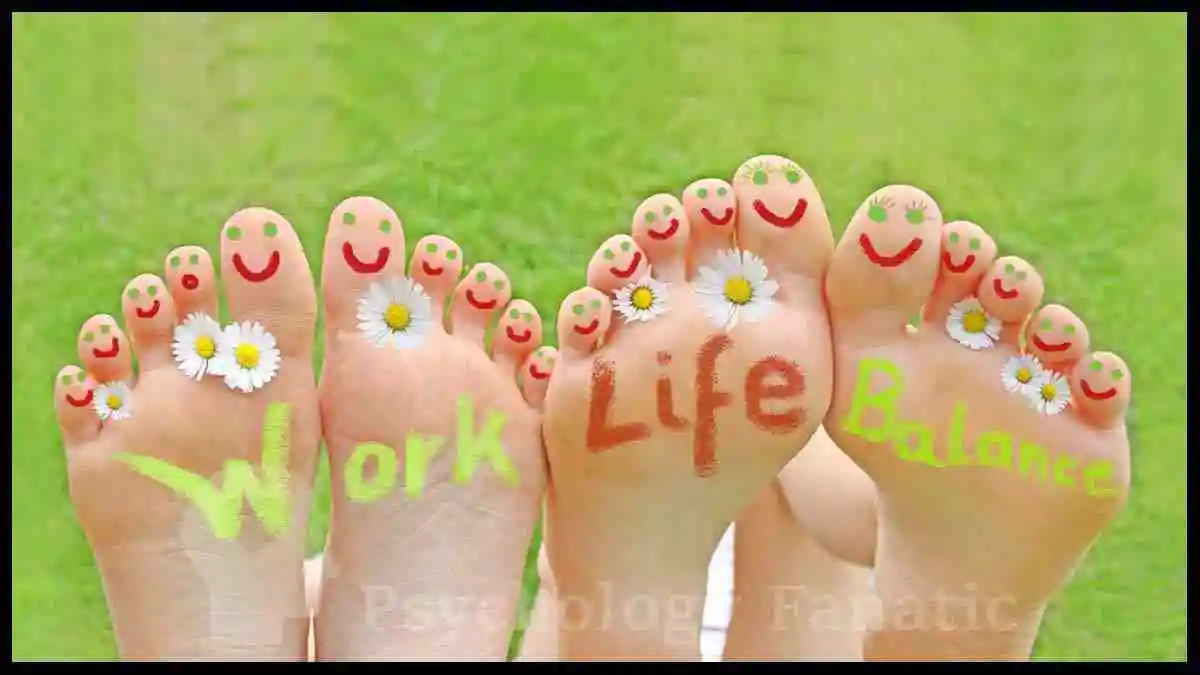
The Art of Prioritizing Life: Finding Balance Amidst Chaos
Life menacingly pulls in opposite directions, demanding more time, money and life than we can give. Overwhelmed, we give to the demands that scream the loudest. We often sacrifice the self to serve the wants and desires of others. Without internal control, we lose balance. We have responsibility to measure and prioritizing life needs, carefully balancing when we give and when we rest. Achieving balance in the torrential storms of demands only succeeds from attentive oversight. We must constantly monitor, evaluate and re-balance time spent on hobbies, careers, children, and rest.
Prioritizing Different Aspects of Wellness
I find pleasure writing, this blog provides meaning and wholeness, injecting positive feelings into my life. But too many hours writing, without attention to other key aspects of my life, interferes with my personal growth. A healthy hobby becomes unhealthy when it intrudes on other demands, destroying health, relationships, and employment. Prioritizing life provides direction to how we spend our time.
Evolution implanted pleasure into our biological structure to motivate survival behaviors. We refer to the motivating power of pleasure as the hedonic principle. Our cognitive capabilities have catapulted human societies into a new age. However, Our social world is complex and competitive. consequently Our biological construction can’t evolve quick enough to keep pace with the our dynamic world, staggering millions of years behind, our pleasures often drive for action that is destructive for our present state of existence.
Modern society often requires foregoing a present pleasure for a larger future return. Chasing pleasure invites long-term suffering. For example, our taste buds naturally desire sugar, salts and fats—consumption of these alluring tastes gives pleasure, but too much a belly ache, heart disease and high blood pressure. Historically sugars, salts and fats were naturally rationed by the difficulty to obtain them. In the modern era, they are in abundance, neatly packaged, and cleverly marketed to appeal to our natural desires imprinted from the past. We must implement self-discipline to carefully prioritize our consumption or die from the imbalance.
See The Hedonic Principle for more on this topic
Balancing Pleasure
Prioritizing life also applies to many pleasures. They served a purpose for survival, strengthening the body, building resourceful relationships or propagating the species. Unfortunately, we don’t have an automatic shutoff valves that stops desires once we satisfy the survival purpose. Desires continue and we easily slip into excess. Addictions of substances and behaviors testify of the dangers of unfiltered pleasures; constant enjoyments in the moment often strangles futures, choking expanding opportunities, and limiting the richness of life.
M. Scott Peck, an American psychiatrist and best-selling author, wrote that mature mental health demands “an extraordinary capacity to flexibly strike and continually restrike a delicate balance between conflicting needs, goals, duties, responsibilities, directions, et cetera” (Peck, 2012).
“Creating a balanced life means making time for the things you have to do, as well as the things you want to do.”
Finding Joy in a Prioritized Life
We are not condemned to an existence full of fear, anger, and sadness. We can enjoy life, relishing in pleasure, joy and happiness; but pleasure isn’t the goal. Too much time chasing pleasures destroys futures. Our life falls out of balance and we quickly stumble, fall and skin our knee. In the waning moments of our lives, looking back through the years, we see with much more clarity, wishing we balanced pleasure with constructive action. In our youthful blindness, we can’t see the constant rush of pleasure obscures the joy.
Steven Southwick and Dennis Charney explain:
“The ability to delay gratification is an essential skill for success in life. It involves tolerating the temporary discomfort of forgoing a smaller immediate reward for a larger reward in the future. Learning to delay gratification is at the heart of willpower” (Southwick & Charney, 2018).
Todd Kashdan and Robert Biswas-Diener wrote:
“Often when you willingly and temporarily give up pleasure, it is replaced by an activity that sort of sucks: studying for an exam, running on a rainy afternoon, working on a report late into the night. In these cases, you opt for unpleasantness. Although you wouldn’t want them to dominate your life, they do make you stronger, and often lead to more success. The trick is to change your basic thinking from what you like to feel, to what is functional” (Kashdan & Biswas-Diener, 2015).
Associated Concepts
- Life Balance: This refers to the equilibrium or harmonious arrangement of different aspects of life, such as work, family, leisure, and personal development. Achieving life balance typically involves managing time and energy to ensure that no single area dominates at the expense of others.
- Delay of Gratification: This refers to refraining from impulsive actions with immediate rewards in exchange behaviors that offer more favorable rewards later.
- Future Oriented Thinking: This refers to the cognitive process of considering and planning for the future, encompassing the anticipation of potential scenarios, outcomes, and opportunities. This mindset involves projecting forward and strategically making decisions based on long-term objectives and goals, rather than solely focusing on immediate needs or concerns.
- Eudaimonia: This is a Greek term often translated as ‘happiness’ or ‘well-being.’ It represents a state of flourishing, where an individual experiences a sense of fulfillment, purpose, and overall thriving in life.
- PERMA Model: This model developed by psychologist Martin Seligman is a well-being theory that identifies five essential elements for a flourishing and fulfilling life: positive emotions, engagement, relationships, meaning, and accomplishment. It provides a framework for understanding and enhancing well-being at both an individual and societal level.
- Pleasure Principle: This concept developed by Sigmund Freud, a renowned psychologist refers to the instinctual drive to seek immediate gratification of basic needs and desires. It suggests that the pursuit of pleasure and the avoidance of pain is the primary motivation for our behaviors.
- Pleasure-Arousal-Dominance Model: is a psychological framework that aims to describe and measure emotional states based on three key dimensions: pleasure-displeasure, arousal-nonarousal, and dominance-submissiveness. This model suggests that emotions can be characterized by where they fall along these three dimensions.
A Few Words by Psychology Fanatic
Prioritizing life pursuits is key. We grapple with life, facing challenges and trudging through difficulties; but rejuvenate through pleasures. The enjoyments kindle a fire that brightly colors our existence, momentarily resting from the daily drama. Both pleasure and pain add to our depth and create richness. Emotions become our school master, opening our minds to our evolutionary past, social norms and personal experience. To routinely seek one set of emotions while avoiding others creates imbalance, inviting chaos. Examine your activities, objectively review time spent in all areas of your life, reorder priorities and flourish.
Last updated: December 9, 2025
References:
Kashdan, Todd, Biswas-Diener, Robert (2015) The Upside of Your Dark Side: Why Being Your Whole Self–Not Just Your “Good” Self–Drives Success and Fulfillment. Plume; Reprint edition. ISBN-10: 0147516447
(Return to Article)
Peck, M. Scott (2012). The Road Less Travelled: A New Psychology of Love, Traditional Values and Spiritual Growth. Touchstone; Anniversary Edition. ISBN-10: 0684847248; APA Record: 1980-03207-000
(Return to Article)
Southwick, Steven, Charney, Dennis (2018) Resilience: The Science of Mastering Life’s Greatest Challenges. Cambridge University Press; 2 edition. ISBN-10: 0521195632; DOI: 10.1017/CBO9781139013857
(Return to Article)