
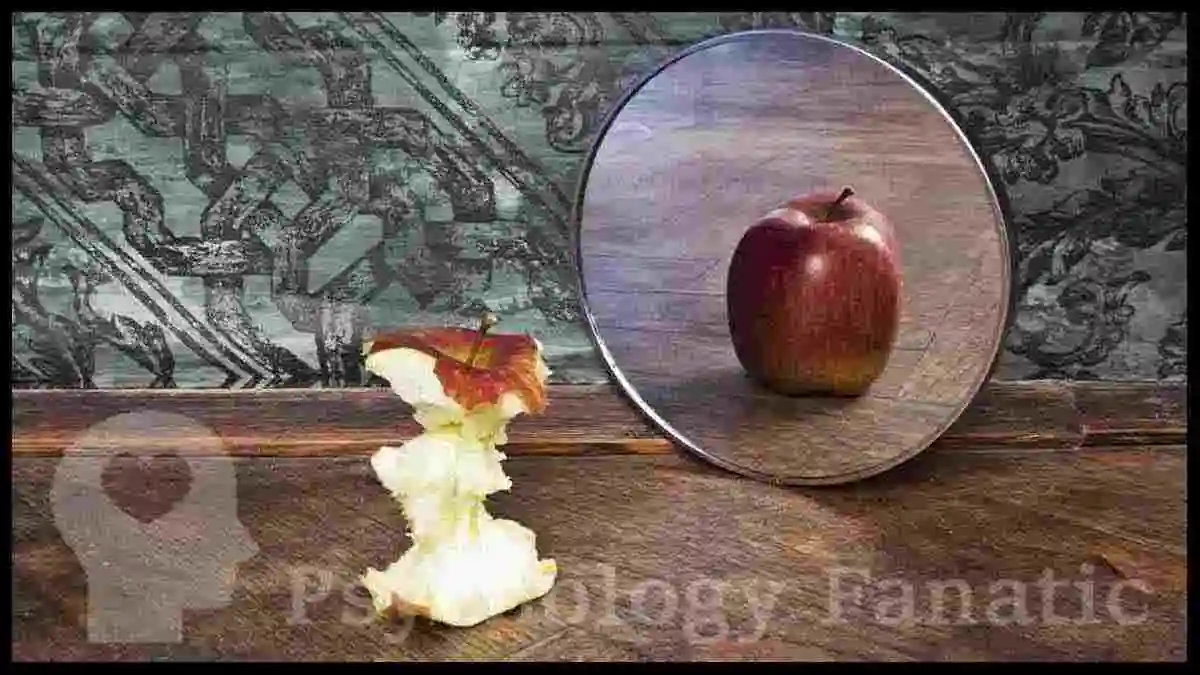
Self-Serving Bias: Why We Take Credit for Success (and Blame Others for Failure)
Have you ever noticed that when something goes right, you attribute it to your own abilities, but when something goes wrong, you blame external factors or other people? If so, you might be experiencing what psychologists call self-serving bias. We also refer to this bias as the fundamental attribution error. However, bias is essential to disentangle the enormous flow of information. We would get bogged down in the endless flow of facts if we had to process everything without preconceived ideas.
One of the largest figures in our lives is ourselves. We preconceive who we are. Basically, we have a built in image of our true self burned in our brain. We hold to an image of an ideal self that typically is kinder, smarter, and moral ethical that reality would support. Thomas Gilovich, a professor of psychology at Cornell University, taught:
“Truly ambiguous information is often simply perceived in a way that fits our preconceptions” (Gilovich, 1993).
I would add that sometimes we prefer to keep information ambiguous. Accordingly, our preconceptions of self have a strong pull on our interpretations.
In this article, we’ll explore the concept of self-serving bias, its impact on our perception and behavior, and tips for mitigating its effects.
Key Definition:
Self-serving bias is a cognitive bias that involves attributing successes to internal or personal factors, such as abilities or efforts, while blaming failures on external factors, such as luck or other people’s actions. This bias allows individuals to maintain a positive self-image and protect their self-esteem.
What is Self-Serving Bias?
Self-serving bias is a psychological phenomenon that involves our tendency to attribute our successes to internal factors (such as our skills, intelligence, or effort) while blaming external factors (such as luck, circumstances, or other people) for our failures. Essentially, we take credit for our achievements and distance ourselves from failures. Gilovich explains that, “People are also prone to self-serving assessments when it comes to apportioning responsibility for their successes and failures” (Gilovich, 1993).
This bias manifests in various aspects of our lives, including personal relationships, work environments, and even how we interpret world events. It’s a natural human tendency to protect our self-esteem and maintain a positive self-image, but it can also lead to distorted perceptions and biased judgments.
Philip Zimbardo explains:
“Most of us hide behind egocentric biases that generate the illusion that we are special. These self-serving protective shields allow us to believe that each of us is above average on any test of self-integrity” (Zimbardo, 2007).
Self-serving bias serves as a defense mechanism, protecting us against harsh realities. Knowing our true fallibility would certain harm our sense of self-efficacy and lead to a pulling back, instead of pushing forward. We protect by engaging in projection, denial and a host of other self-serving biases that dull the hurt, and blur the reality.
Internal and External Causes
A group of middle-age guys living together in a commune style arrangement sit around each evening drinking beer, watching sports, and blaming the world (the economy, capitalism, and the government) for their growing discontent with life. Certainly, these all play a part in how our lives play out. However, we have the ability to respond. External events create the playing field and set the rules, however, internal processes determine how we respond.
“Internal causes generally refer to abilities, skills, personal traits, or efforts, whereas external causes generally refer to the actions or inactions of others, luck, and circumstances such as the weather or the economy” (Shepperd et al., 2008). The causes of events are an intricate and complex mixture of both internal and external processes. We just simplify the complexity by which causes we prefer to focus on.
Sadder But Wiser
In research on attributions, nondepressed individuals exhibit a systematic tendency to make more internal, stable, and global attributions for positive events than for negative events, often referred to as a “self-serving” bias (Miller & Ross, 1975), which is hypothesized to help maintain their self-esteem. In contrast, depressed individuals are more evenhanded (similar) in their attributions for positive and negative events (Seligman, 1995).
T. Franklin Murphy wrote:
“Perhaps, when we judge a cognitive style, we shouldn’t just slap a label of good or bad without examining its functional consequences. If unfiltered reality shuts us down, leaving us fearfully begging for escape, by all means, cognitively reappraise, subjectively manipulate, and break-up reality into digestible chunks” (Murphy, 2022).
Todd Kashdan and Robert Biswas-Diener explain:
“The average person lives inside a narcissistic bubble, a self-serving bias that gives most of us the confidence we need to face a complex and uncertain day” (Kashdan & Biswas-Diener, 2015).
Like most cognitive tools, we can measure self-serving bias on a linear scale where certain levels of this bias are helpful but the extremes interfere with healthy living. Certainly, we don’t want to be depressed. However, we don’t want to be so disconnected from reality that are decisions wreak havoc on our futures, inviting maladaptive, present moment serving cognitions.
Benefits of Reality
Douglas T. Kenrick, a professor of psychology at Arizona State University, wrote:
“If you want to live in a nicer world, you need good, unbiased science to tell you about the actual wellsprings of human behavior. You do not need a viewpoint that sounds comforting but is wrong, because that could lead you to create ineffective interventions” (Kenrick, 2011).
Basically, sometimes we need outside, unbiased observations to escape the inner working of our mind.
Our behaviors interact with reality, inviting real life consequences. Too much self-serving bias and we harm ourselves and our relationships. If our behaviors are leading to broken relationships, perhaps, a reality check is in order.
Mihaly Csikszentmihalyi, a psychology professor at Claremont Graduate University, wrote:
“Our brain is a great computing machine, but it also places some dangerous obstacles in the way of apprehending reality truthfully. The first of these is the nervous system itself. The more that is known about how the mind works, the more we realize that the filter through which we experience the world has some peculiar built-in biases. If we do not understand how these biases work, thoughts and actions are never truly going to be under conscious control” (Csikszentmihalyi, 2009).
We can mitigate reality, but never deny it all together.
The Impact of Self-Serving Bias
Self-serving bias can have both positive and negative impacts on individuals and their interactions. The positive rewards for unconscious implementation of this bias explain why we so often employ this strategy. In behaviorism terms: Self-serving bias is rewarding.
Let’s take a closer look at some of the significant effects:
1. Enhanced Self-Esteem
Self-serving bias helps to bolster self-esteem by attributing successes to our own abilities. Taking credit for our accomplishments can boost our confidence, motivation, and overall well-being.
2. Preservation of Self-Worth
By attributing failures to external factors, we are protecting our self-worth and maintaining a positive self-image. This can help us bounce back from setbacks more easily.
3. Biased Perceptions
Self-serving bias can lead to biased perceptions of ourselves and others. We may perceive ourselves more positively than others, leading to overconfidence and an inflated sense of superiority. These biased perceptions may also interfere with ethical behavior. Self-serving biases invite moral justification, excusing behaviors that hurt others.
4. Strained Relationships
When individuals continuously attribute their successes to themselves while blaming others for failures, it can strain relationships. This bias can prevent individuals from taking responsibility for their actions, leading to conflicts and resentment.
5. Organizational Implications
In the workplace, self-serving bias can impact team dynamics and decision-making processes. It may hinder cooperation, impede learning from mistakes, and undermine the overall efficiency and effectiveness of an organization.
Mitigating the Effects of Self-Serving Bias
While self-serving bias is a natural tendency, being aware of its existence can help us mitigate its negative effects. Here are a few strategies to counteract self-serving bias:
- Practice Self-Reflection: Engage in honest self-reflection and critically evaluate your own contributions and shortcomings. Acknowledge the role of both internal and external factors in outcomes. Murphy wrote: “Self-observation could realign our elaborate explanations back to reality. Our mind when left to itself has a way of getting lost in ruminations, jumping from creative self-serving narratives, to judgmental condemnations. The observing ego was considered a tool that could lasso in those rascal thoughts and bring them back to realistic considerations” (Murphy, 2022a).
- Seek Feedback: Actively seek feedback from others to gain a more objective perspective. Listen to constructive criticism and use it as an opportunity for growth and self-improvement.
- Foster Collaboration: Encourage a collaborative and supportive environment where individuals can acknowledge mistakes without fear of judgment. By promoting a culture of shared responsibility, self-serving bias can be minimized.
- Cultivate Empathy: Develop empathy towards others and try to understand their perspectives. Recognize that everyone may be influenced by self-serving bias, and approach situations with empathy and understanding.
- Take Responsibility: Accept responsibility for your actions, both success, and failure. By owning up to mistakes, you can learn from them and strive for personal growth.
Associated Concepts
- Availability Bias: This is a cognitive bias that refers to the tendency of individuals to rely on information that is readily available to them when making decisions or judgments, rather than considering all relevant information objectively.
- Counterfactual Thinking: This refers to the cognitive process where we imagine different outcomes or events from past actions, often leading to regret or sorrow. It can serve functional purposes like guiding future decision-making, but it can also be harmful if it remains focused on unreachable, idealised alternatives.
- Deservingness Heuristic: This is a cognitive process guiding moral judgments about who deserves positive or negative outcomes based on perceived merit and effort.
- Dunning-Kruger Effect: This is a cognitive bias where people with low ability overestimate themselves while those with high ability underestimate. This impacts decision-making and self-awareness in various areas.
- Fundamental Attribution Error: This thinking error refers to the tendency to overemphasize personality and underemphasize situational factors when judging others’ behavior.
- Self-Fulfilling Prophecies: This refers to a psychological phenomenon where beliefs and expectations influence reality. It stresses self-awareness, visualization, positive affirmations, and challenging negative beliefs to leverage this power for personal growth and success.
A Few Final Words by Psychology Fanatic
In conclusion, self-serving bias is a natural cognitive bias that influences how we attribute successes and failures. While it serves to protect our self-esteem, it can also lead to distorted perceptions, strained relationships, and hinder collective progress. By practicing self-reflection, seeking feedback, fostering collaboration, cultivating empathy, and taking responsibility, we can mitigate the negative effects of self-serving bias and promote a more balanced and realistic view of ourselves and others.
Remember, being aware of our biases is the first step towards personal and interpersonal growth. So, let’s continue to strive for self-awareness and challenge our assumptions for a more objective and harmonious world.
Last Update: February 17, 2026
References:
Csikszentmihalyi, Mihaly (2009). The Evolving Self: Psychology for the Third Millennium. HarperCollins; Reprint edition. ISBN: 0062842587
(Return to Main Text)
Gilovich, Thomas (1993) How We Know What Isn’t So: The Fallibility of Human Reason in Everyday Life. Free Press; Reprint edition. ISBN: 0029117054; APA Record: 1991-97937-000
(Return to Main Text)
Kashdan, Todd; Biswas-Diener, Robert (2015) The Upside of Your Dark Side: Why Being Your Whole Self–Not Just Your “Good” Self–Drives Success and Fulfillment. Plume; Reprint edition. ISBN-10: 0147516447
(Return to Main Text)
Kenrick, Douglas T. (2011). Sex, Murder, and the Meaning of Life: A Psychologist Investigates How Evolution, Cognition, and Complexity are Revolutionizing our View of Human Nature. Basic Books; 1st edition. ISBN: 978-0-465-03234-1; APA Record: 2011-01298-000
(Return to Main Text)
Shepperd, James, Malone, Wendi, & Sweeny, Kate (2008). Exploring Causes of the Self‐serving Bias. Social and Personality Psychology Compass, 2(2). DOI: 10.1111/j.1751-9004.2008.00078.x
(Return to Main Text)
Murphy, T. Franklin (2022). Fundamental Attribution Error. Psychology Fanatic. Published: 4-29-2022; Accessed: 11-12-2023. Website: https://psychologyfanatic.com/fundamental-attribution-error/
(Return to Main Text)
Murphy, T. Franklin (2022a) The Observing Ego. Psychology Fanatic. Published: 9-14-2022; Accessed: 11-13-2023. Website: https://psychologyfanatic.com/observing-ego/
(Return to Main Text)
Seligman, Martin E.P.; Buchanan, Gregory McClell (1995). Explanatory Style. Routledge; 1st edition. ISBN: 9780805817898
(Return to Main Text)
Zimbardo, Philip (2008). The Lucifer Effect: Understanding How Good People Turn Evil. Random House; 1st edition. ISBN-10: 0812974441; APA Record: 2007-04177-000
(Return to Main Text)
Related Articles

Narrow-Minded

Freedom From Human Stupidity

Social Desirability Bias
