
Breaking Down Social Exclusion: Causes and Consequences
Social Exclusion is the state of being blocked from (or denied full access to) various rights, opportunities and resources that are normally available to members of a different group. Often, when we discuss social exclusion we are referring to wide discrimination to large swatches of people based on race, nationality, gender, or religion; but social exclusion can also occur in smaller social groups.
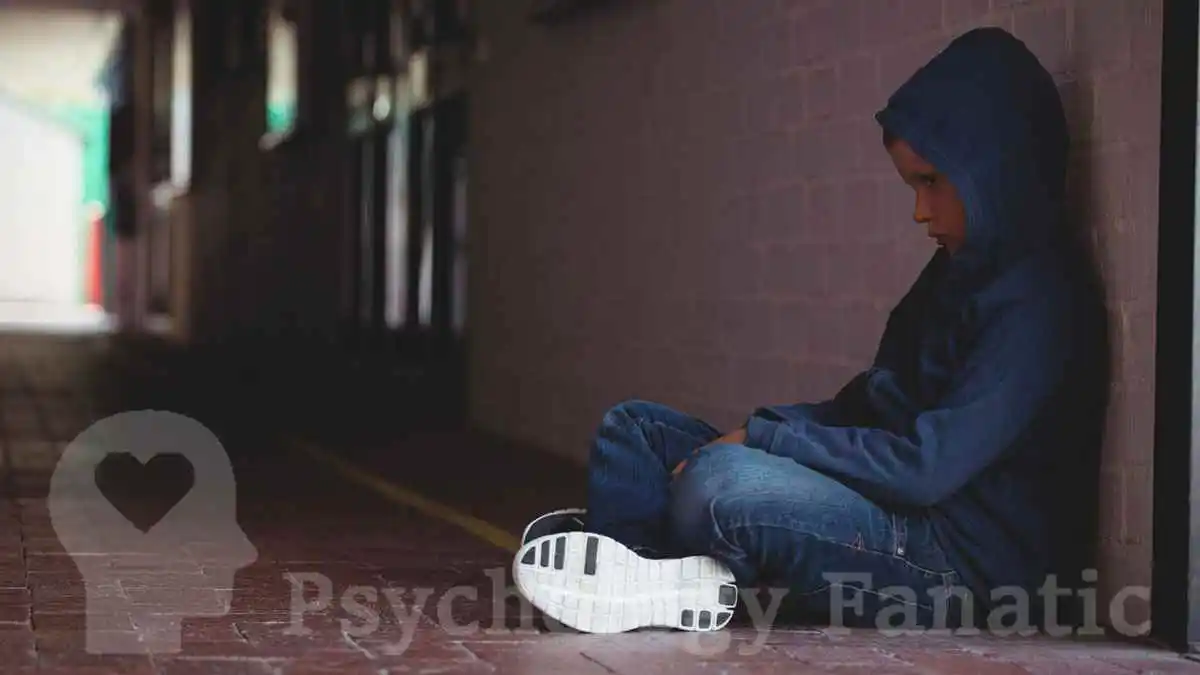
A group of children may exclude a classmate from social interactions for small infractions of the normally accepted standards. When a child fails to play the expected role, others punish them by excluding them. The child on the playground or the adult rejected for employment experiences painful emotions. Biology wires us to belong. When this basic need is thwarted, we suffer.
Ethically, every person should reap the benefits of prosperity and enjoy minimum standards of well-being. In the pre-amble of the Declaration of Independence the forefathers wrote, “We hold these truths to be self-evident, that all men are created equal, that they are endowed by their Creator with certain unalienable Rights, that among these are Life, Liberty and the pursuit of Happiness.” Paradoxically, our forefathers socially excluded many from these unalienable rights. We can do better. However, this requires constant effort.
Our Biology Motivates Relationship Behaviors
In a recently published paper, Alisa Kanterman, Michael Nevat, and Simone Shamay-Tsoory coined the term inclusion motivation. The authors describe the need for inclusion as the underlying drive motivating prosocial behaviors. They hypothesize that inclusion motivation is triggered by “social exclusion” (Kanterman et al., 2021). Basically, exclusion motivates relationship seeking behaviors.
Our intense need to belong motivates prosocial behaviors. This works in tandem with the human tendency to reject those that fail to contribute to the group. We adapt by learning and following social rules. When we act selfishly and the group rejects, we feel the pang of loneliness and refine our behaviors. However, when rejection persists, our bodies depress.
John Cacioppo and William Patrick wrote that easing the pain of loneliness is a primary human motivation, taking “precedence over other goals, leading people to renounce immediate gratification and self-interest in order to find better and broader long-term outcomes.”
Cacioppo and Patrick explain:
“When social exclusion appears absolute and unyielding, the aversive feeling of isolation loses its power to motivate us. Instead, it seems to disturb the very foundation of the self. The experience of social isolation threatens our sense of purpose, which is one of the unifying factors in human development. It undermines the implicit bargain—self-regulation in exchange for social acceptance—on which personal identity is based, and which is one of the basic organizing principles of human society” (Cacioppo & Patrick, 2008).
Pain and Social Exclusion
The pain we experience from social exclusion is just as real as physical pain. Robert Sapolsky, a professor of biology, neurology, neurological sciences, and neurosurgery at Stanford University, explains as far as our brain is concerned “the abstractions of social and emotional pain—social exclusion, anxiety, disgust, embarrassment—as with physical pain” (Sapolsky, 2018).
Daniel Goleman explains that the pain center “may have evolved this sensitivity to social exclusion as an alarm signal to warn of potential banishment—and presumably to prompt us to repair the threatened relationship” (Goleman, 2005, p. 113).
Exclusion Threatens Basic Human Needs
Social exclusion, according to their theory, arouses discomforting emotions. When we are exclusion, rejected, or ignored, it threatens our basic psychological needs. Research has shown that Social exclusion ignites intense negative affect and stimulates prosocial behaviors (attempts for inclusion), aggression or withdrawal. Strong emotions motivate action. Sometimes adaptive response, other times destructive defensiveness. Our behavioral response to emotion is not necessarily to resolve the problem triggering the emotion.
We often operate with the underlying goal to settle the emotion. “Social exclusion tells us that social relationships are threatened or damaged, and therefore, exclusion tells us there is a crisis, by causing aversive feelings” (Kawamoto, 2017).
Basically, social exclusion wallops wellness, impacting many other areas of our lives.
Often an underlying factor motivating responses to social exclusion is the belief in ability (or lack of ability) to secure acceptance. In psychology, we refer to this as self-efficacy. If past experiences shows efforts of prosocial behavior was futile, then we will exert less effort in the present for inclusion. Effort to change requires a healthy self concept that believes in others rewarding us with inclusion. Basically, we believe other will include us. We see a well connected future with others.
Maladaptive Responses to Fear of Exclusion
Painful events stimulate responses. Responses that work, relieving the pain become part of our repertoire of learned reactions. Unfortunately, often times, we stumble on reactions that provide immediate relief but long term heartache. The operant conditioning takes place, adopting a reaction as a legitimate response because of the immediate reward of relief without consideration of the impact of the behavior on the quality of our lives somewhere down the road.
Some of these maladaptive reaction to loneliness and social exclusion are deception, manipulation, and self-denial. Rejection strikes at the heart of our self-image. When socially excluded, and we can’t manage to resolve the cause, we adopt defense mechanisms to protect against the brunt of the injury to our self perceptions. Often, these mechanisms then interfere with future possibilities for connection.
Social Exclusion and Loneliness
Kanterman et al. discovered that all individual experienced negative affect from exclusion. Lonely individuals experienced exclusion differently than non-lonely individuals (Kanterman et al., 2021). They experience chronic failure to belong. Lonely Individuals’ psychological needs routinely go unmet. Subsequently. their chronic loneliness invites an adaptive response to mitigate the emotional hurt. Chronic loneliness often creates adjustment in expectation, a transformation of the possibility of inclusion.
Researchers discovered lonely individuals initially experienced less negative affect to an incident of social exclusion. They also positively responded quicker to incidents of inclusion. Basically, those identified as lonely, perhaps, were less surprised at exclusion, and more surprised when others graciously included them compared to non-lonely individuals.
Helplessness and Hopelessness
Some environments are harsh. In these environments, we hopelessly give up in apathetic helplessness. People lost in their hateful worlds reject and discriminate. Continuous acts of social exclusion has a destructive psychological cost. Our soul tires when other s rebuff an ignore our efforts for inclusion. When excluded, we employ defensive to protect our fear. Regardless of age, whether a young child awkward teenager, or a minority, when other exclude us, it hurts.
Associated Concepts
- Social Capital Theory: This theory examines the value of social networks and relationships, emphasizing trust, cooperation, and collective well-being. It encompasses bonding, bridging, and linking social capital, leading to personal, economic, and community benefits.
- Self-Esteem: Being excluded can negatively impact an individual’s self-esteem, as it often signals to the person that they are not valued or accepted by others.
- Social Support Theory: This theory emphasizes the impact of social connections on well-being. It provides emotional, practical, and informational aid during stressful times, enhanced resilience, and health benefits. Various models such as stress buffering and the direct effects model illustrate its significance in promoting overall wellness.
- Social Identity: Social exclusion can affect one’s social identity, which is the part of an individual’s self-concept derived from their membership in social groups. Exclusion from a group can lead to a loss of identity and a sense of belonging.
- Mental Health: Chronic social exclusion is linked to various mental health issues, including depression, anxiety, and stress. It can also exacerbate existing mental health conditions.
- Social Exchange Theory: This theory is a social psychological and sociological perspective that explains social change and stability as a process of negotiated exchanges between parties. According to this theory, individuals evaluate their relationships and interactions based on the perceived rewards and costs involved.
- Cognitive Processes: Social exclusion can influence cognitive processes, such as attention and memory. For instance, excluded individuals may become more sensitive to social cues and more likely to remember negative social interactions.
A Few Words By Flourishing Life Society
In a world that often feels divided, the importance of inclusion cannot be overstated. Each one of us has the power to create positive change by simply extending a hand and welcoming those who may feel isolated or marginalized. Remember, social exclusion not only affects individuals but also ripples through our communities, leading to widespread emotional distress and mental health challenges.
By recognizing our shared humanity and making conscious efforts to include others in our circles—whether it’s at work, school, or within our social groups—we can foster an environment where everyone feels valued and accepted. Small gestures of kindness can make a significant impact; even a simple smile or invitation can uplift someone who is struggling with feelings of loneliness.
As we reflect on the profound insights discussed in this article about social exclusion and its consequences, let us commit ourselves to being agents of change. We have an opportunity to challenge societal norms that perpetuate division by actively promoting inclusivity in every aspect of our lives. Join hands with your neighbors, colleagues, and friends as you cultivate spaces where everyone’s voice is heard and appreciated.
It starts with each one of us taking small steps toward understanding and compassion—creating networks of support that empower those around us. Together, let’s take the initiative to embrace diversity and build bridges instead of walls so we can collectively overcome adversity and move towards a brighter future for all.
Last Update: January 17, 2026
References:
Cacioppo, John; Patrick, William (2008). Loneliness: Human Nature and the Need for Social Connection. W. W. Norton & Company. ISBN: 978-0-393-33528-6; APA Record: 2008-07755-000
(Return to Main Text)
Goleman, Daniel (2005). Emotional Intelligence: Why It Can Matter More Than IQ. Bantam Books. ISBN-10: 055338371X
(Return to Main Text)
Kanterman, A., Nevat, M., & Shamay-Tsoory, S. (2021). Inclusion Motivation: Measuring the Drive to Be Included in Real Time and How It Is Affected by Loneliness. Emotion, OnlineFirst, 1. DOI: 10.1037/emo0001030
(Return to Main Text)
Kawamoto, T. (2017). What Happens in Your Mind and Brain When You Are Excluded from a Social Activity? Frontiers for Young Minds. Published 8-7-2017. Accessed: 12-13-2021. Website: https://kids.frontiersin.org/articles/10.3389/frym.2017.00046
(Return to Main Text)
Sapolsky, Robert (2018). Behave: The Biology of Humans at Our Best and Worst. Penguin Books; Illustrated edition. ISBN-10: 1594205078
(Return to Main Text)

Fear of Abandonment

Belongingness

Self-Monitoring Theory
