
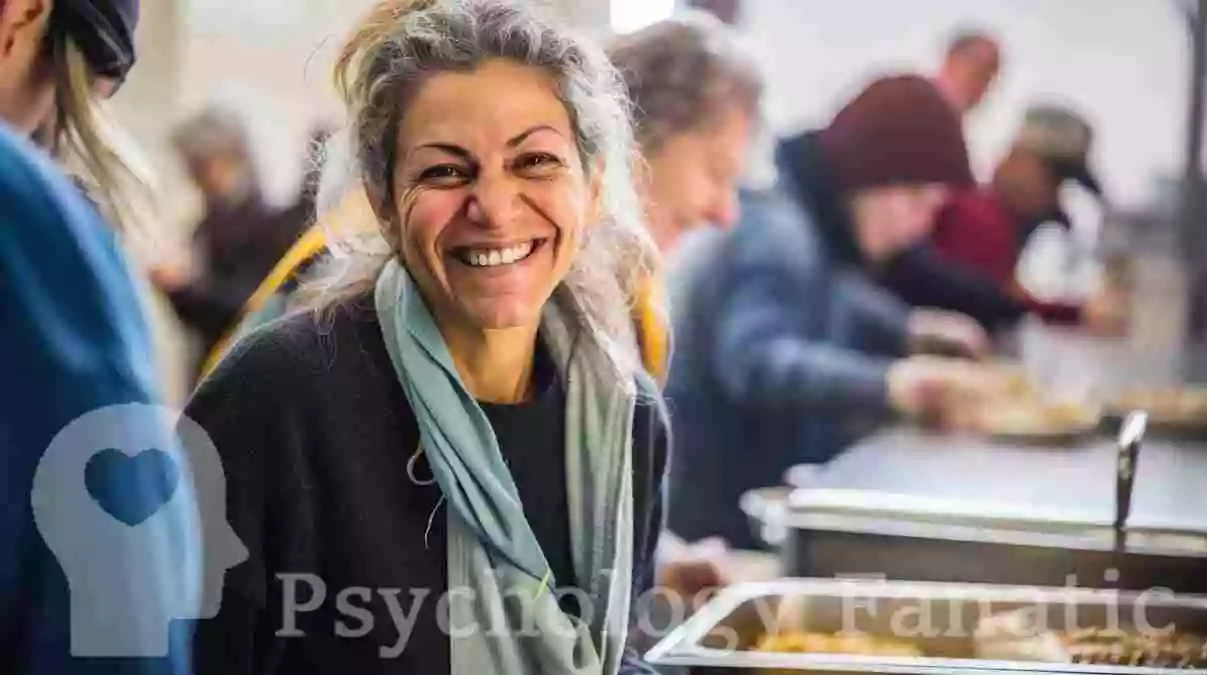
Unmasking Altruism: When Selfless Acts Serve Our Needs
Altruism, often described as the selfless concern for the well-being of others, is a fascinating and complex psychological trait that has intrigued researchers and psychologists alike. It embodies a range of behaviors that prioritize the needs of others over one’s own desires or interests. While many view altruism as an inherent virtue, it can also serve practical functions in our emotional lives. Surprisingly, what may initially appear to be purely selfless acts can also act as powerful defense mechanisms against personal challenges such as guilt, anxiety, or emotional distress. By engaging in altruistic behaviors, individuals not only contribute positively to society but may also find respite from their internal struggles.
Research suggests that altruism provides significant benefits beyond mere social niceties; it enhances overall well-being for both the giver and receiver. When individuals engage in acts of kindness—whether through volunteering time, donating resources, or simply offering support—they often experience feelings of fulfillment and purpose. This reciprocal relationship fosters stronger community ties and encourages a culture where compassion reigns supreme. Thus, exploring altruism through the lens of psychological defense mechanisms allows us to appreciate its dual role: while it serves to uplift others’ spirits and promote social cohesion, it simultaneously offers solace to those who practice it by helping them navigate their own emotional landscapes more effectively.
Key Definition:
Altruism is a defense mechanism that involves acting in a selfless and compassionate manner towards others. It is characterized by prioritizing the needs and well-being of others over one’s own desires or interests. The individual may engage in acts of kindness, empathy, or generosity without expecting anything in return. Altruism can serve as a way to cope with negative emotions, guilt, or anxiety by focusing on helping others and promoting their welfare. It can provide a sense of fulfillment, satisfaction, and meaning in one’s life.
Understanding Altruism
Altruism, often regarded as a virtue, encompasses a wide range of actions that prioritize the well-being of others over personal gain or self-interest. It goes beyond simple acts of kindness and generosity, reaching into the depths of empathy and selflessness. Whether it is extending a helping hand to a friend in need, lending support to family members facing challenges, or even showing compassion to strangers, altruism is a powerful force that can shape our relationships, communities, and society as a whole.
Given without Expectations
One of the defining characteristics of altruism is the absence of expecting anything in return. It stems from a genuine desire to make a positive impact on the lives of others, driven solely by an innate sense of compassion and empathy. Acts of altruism can range from the everyday gestures of charity and volunteering, where individuals freely give their time, skills, and resources to assist those less fortunate, to extraordinary acts of heroism where individuals put their own lives at risk to save others.
Altruistic behaviors can be witnessed in various forms and contexts. Altruism could be as simple as offering a listening ear to a friend going through a tough time, showing empathy and understanding. It might involve donating money or goods to a charitable cause, providing relief and aid to those facing adversity. It might even manifest in larger-scale efforts like starting a nonprofit organization, dedicating oneself to a cause, or advocating for social justice and equality. Consequently, altruism has the power to create a ripple effect, inspiring others to engage in acts of kindness and fostering a culture of compassion and giving.
Altruism Benefits Giver and Receiver
Research has shown that engaging in altruistic acts can have profound benefits for both the giver and the recipient. Not only does it strengthen social connections and foster a sense of community, but it also promotes personal well-being and fulfillment. By putting the needs of others first, individuals often experience an increased sense of purpose and satisfaction, leading to improved mental and emotional well-being.
However, there is a limit to these benefits. Jessica Colman warns that “though there is overwhelming evidence that altruistic emotions and behaviors are healthy and contribute to well-being, there is an important caveat: there are clear adverse physical and mental health consequences of being overtaxed by altruistic behaviors. The links between altruism and well-being are only present when the altruism is “reasonable.” Reasonable altruism is helping behavior that is not overwhelming” (Coleman, 2012).
Pathological Altruism
Like most traits and behaviors, altruism is only healthy within moderate limits. Some forms of altruism do not benefit the giver, the receiver or either of them. Sanxing Sun wrote that, “altruism does not always lead to positive outcomes. Altruism can also become distorted and take a form that is abnormal, unhealthy, or pathological. When altruism becomes pathological and causes people to display deleterious altruistic behaviors, the result is often unpleasant, even disastrous at times” (Sun, 2018).
In pathological altruism, the individual completely loses control of their altruistic behaviors. They are compelled to give, often failing to satisfy other basic needs. Often the pathological giver refuses any service in return, leaving those around them feeling indebted without a means to repay their gratitude. Instead of bettering the lives of others, creating stronger relationships, the over-the-top altruism begins erode the good feelings of the service, leaving the giver feeling as the victim, crying, “I sacrifice and sacrifice, and no one appreciates what I do.”
Oddy, the pathological altruism may be an unconscious ploy to create the habitual sense of victimization.
Defense Mechanisms
Defense mechanisms are unconscious defense strategies to cope with, deny, or distort reality. The underlying purpose of a defensive strategy is to soften the impact of identity threatening stimuli in the environment. When reality conflicts with personal narratives, self images, or any other significant element we rely on for stability, we experience cognitive dissonance, and seek resolution to the emotional discomfort cause by the opposing elements.
The purpose of a defense mechanisms is to bring our biological state back into a homeostatic balance. The underlying goal of these mechanisms is honorable. However, sometimes the means of regaining homeostatic balance is maladaptive. The mechanism may solve the immediate dissonance but cause long term harm to the individuals life.
A key element of a defense mechanism is that it is an unconscious adaptation in response to environmental threats. In psychology, we refer to conscious reactions to threats as coping techniques.
See Defense Mechanisms for more on this topic
Altruism as a Defense Mechanism
When we refer to altruism as a defense mechanism, we are suggesting that the altruism is employed to relieve some source of discomfort. The experience of pain demands some behavior or cognition to remedy the discomfort. When an individual performs altruistic acts to relieve inner conflict or pain, they are using altruism as a defense mechanism.
Anna Freud
Anna Freud suggests that altruism is an altered form of projection. She explains, “the mechanism of projection disturbs our human relations when we project our own jealousy and attribute to other people our own aggressive acts. But it may work in another way as well, enabling us to form valuable positive attachments and so to consolidate our relations with one another. This normal and less conspicuous form of projection might be described as “altruistic surrender” of our own instinctual impulses in favor of other people” (Freud, 1937).
Freud is suggesting that through intimate attachments we experience the pleasure of the other person. Because of this, by offering service to them, providing some of their needs, we vicariously resolve some of our own internal disturbances. Basically, when we can’t enjoy the pleasure of fulfilling our own instinctual impulses, we may resort to helping others to find pleasure vicariously.
George Vaillant
George Vaillant describes altruism as “getting pleasure from giving to others what you yourself would like to receive. It is an adaptive outgrowth of reaction formation, a defense mechanism that allows a user outwardly to steer a course exactly counter to some inner unconscious passion” (Vaillant, 1998).
Jerome Blackman describes altruism as “a combination of projection and identification with the victim.” He explains that by helping the needy, the individual can ignore their own dependency urges. The individual projects neediness and unacceptable urges on to the recipients. The individual employing altruism can then vicariously enjoy the gratification of being cared for. The process is a simultaneous punishment through deprivation and altruistic giving, relieving the individuals guilt over greediness (Blackman, 2003).
Altruism as a Mature Defense Mechanism
George Vaillant considered altruism as a mature defense mechanism. He wrote that for troubled individuals “altruism can achieve the alchemist’s dream of turning dross into gold” (Vaillant, 1998). Altruism has moral components. However, the maturity of a defense mechanisms is not measured on morality but effectiveness of the defense of regulating emotions without negatively impacting other aspects of the individual lives. Valliant explains that altruism mitigates the discomfort, but it doesn’t “deny the unbearable.” The individual maintains some contact with reality, starkly different from immature mechanisms such as denial or projection.
While defense mechanisms are often associated with self-preservation, altruism can be seen as a unique form of defense mechanism that focuses on the preservation and well-being of others. Vaillant explains that altruism elegantly and flexibly has “a capacity to mitigate future as well as present suffering” (Vaillant 1998).
Altruistic behaviors can provide individuals with a sense of purpose and meaning in life. By focusing on the needs of others, individuals may find temporary relief from their own personal challenges and anxieties. Engaging in altruistic acts can shift attention away from internal conflicts, redirecting the focus towards the well-being and happiness of others. This shift in perspective can be therapeutic, offering a break from one’s own emotional burden.
Pathological Altruism as a Defense Mechanism
Not all seemingly altruistic behaviors are mature defenses. Just as altruism can be pathological, some forms of altruistic behaviors, serving as defense mechanisms can be maladaptive. Altruism may serve to divert attention away from certain discomforting aspects of our lives. It may provide a shield from feeling of inadequacy or dependency. However, when practiced in the extreme, we deny reality and stymie growth.
Benefits of Altruism as a Defense Mechanism
- Enhanced Well-Being: Engaging in altruistic behaviors has been linked to improved psychological well-being. Studies suggest that helping others releases endorphins, which we know as “feel-good” hormones. These endorphins can reduce stress, boost mood, and improve overall mental health.
- Stress Reduction: Altruism can act as a stress buffer by redirecting attention towards others. By shifting their focus, individuals may experience a temporary respite from their own stressors. Additionally, research has found that helping others activates brain regions associated with reward and pleasure, further contributing to stress reduction.
- Sense of Connection: Altruistic acts can foster social connections and a sense of belonging. By reaching out and assisting others, individuals can create bonds and strengthen relationships, leading to increased social support. This sense of connection can provide emotional nourishment and alleviate feelings of loneliness or isolation.
- Personal Growth: Engaging in altruism allows individuals to develop a sense of empathy and compassion. By understanding and responding to the needs of others, individuals can cultivate qualities such as patience, tolerance, and understanding. This personal growth can lead to enhanced emotional intelligence and improved interpersonal relationships.
Associated Concepts
- Adaptation Psychology: This examines the area of psychology dealing with organisms survival instinct to adapt to external environments and conditions.
- Primary Dilemma: This is a fundamental philosophical and psychological concept that revolves around the conflict between our basic desires and the constraints of social integration.
- Social Exchange Theory: According to this theory, individuals evaluate their relationships and interactions based on the perceived rewards and costs involved. The theory suggests that individuals seek to maximize rewards and minimize costs in their interactions with others.
- Prosocial Behaviors: This refers to voluntary actions intended to benefit others or society as a whole. This can include acts of kindness, cooperation, sharing, and helping, often without any expectation of rewards or benefits in return.
- Human Kindness: This refers to the compassionate and benevolent treatment, consideration, and understanding extended towards others. It encompasses acts of empathy, sympathy, and support aimed at alleviating the suffering or difficulties of others without any expectation of personal gain or reward.
- Self-Presentation Theory: This theory refers to the behavior and strategies individuals use to shape the perceptions that others form about them. This theory suggests that individuals strive to convey a favorable impression to others by managing their public image.
- Self-Verification Theory: This theory suggests individuals have a strong need to confirm their self-concept. This means that people seek out information and experiences that validate their self-perceptions, whether positive or negative.
A Few Words by Psychology Fanatic
Altruism, as a defense mechanism, offers a unique way for individuals to cope with personal challenges while promoting the well-being of others. By engaging in selfless acts, individuals can experience a range of benefits, including enhanced well-being, stress reduction, increased social connections, and personal growth. While it is important to prioritize self-care, incorporating acts of altruism into our lives can bring about a sense of purpose, fulfillment, and a deeper understanding of the human experience.
Remember, even small acts of kindness can make a significant difference in someone’s life. So, let us embrace altruism and use it as a positive defense mechanism to create a more compassionate and harmonious world.
Last Update: July 19, 2025
References:
Blackman, Jerome S. (2003). 101 Defenses: How the Mind Shields Itself. Routledge; 1st edition.
(Return to Main Text)
Coleman, Jessica (2012). Optimal Functioning: A Positive Psychology Handbook. Independently published.
(Return to Main Text)
Freud, Anna (1937). The Ego and Mechanisms of Defense. Routledge; 1st edition.
(Return to Main Text)
Sun, Sanxing (2018). From Defensive Altruism to Pathological Altruism. SAGE Open, 8(2), 1 DOI: 10.1177/2158244018782585
(Return to Main Text)
Vaillant, George E. (1998) Adaptations to Life. Harvard University Press; Reprint edition.
(Return to Main Text)